
Maharashtra’s Anti-Conversion Law Faces Constitutional Challenge
Legal Battle Over Religious Freedom Legislation Set to Begin
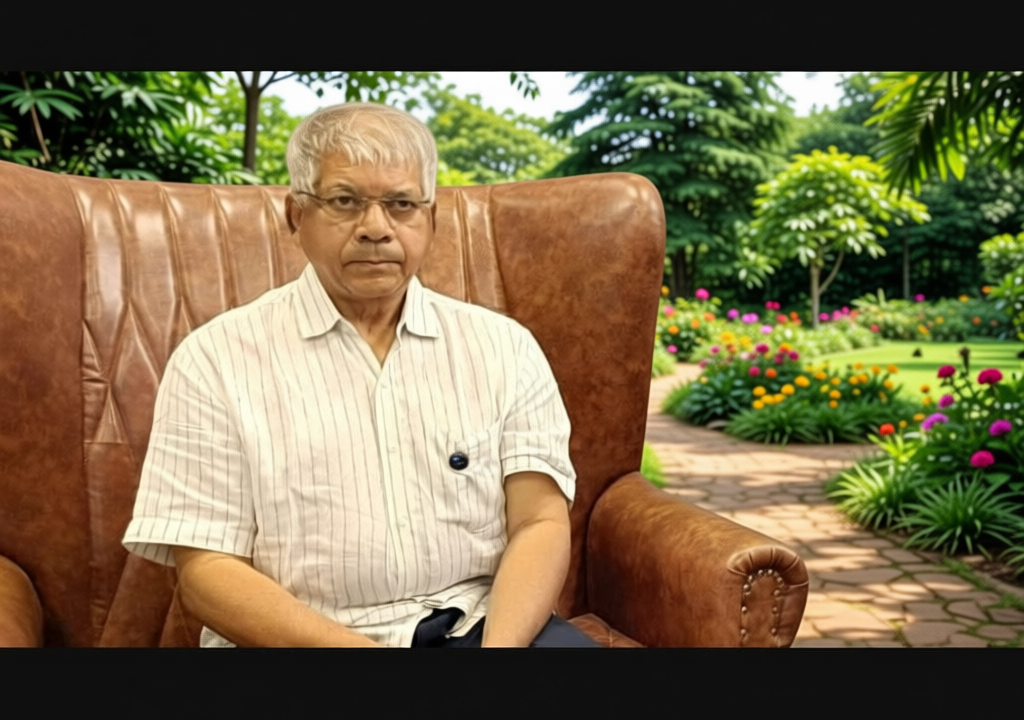
Indiadailyupdate.com – Is Maharashtra s new anti-conversion law unconstitutional? This critical question will soon be answered by the Bombay High Court as Prakash Ambedkar, president of the Vanchit Bahujan Aghadi, prepares to file a comprehensive legal challenge against the Maharashtra Freedom of Religion Bill, 2026. The prominent leader has publicly declared that the newly enacted legislation fundamentally violates constitutional principles protecting religious freedom, making judicial intervention necessary to safeguard minority rights across the state.
The controversial legislation received swift approval during March’s budget session when both the Maharashtra Legislative Assembly and Legislative Council passed the bill through a voice vote. Following this rapid legislative process, President Draupadi Murmu granted her assent to the bill last week, bringing the anti-conversion framework into effect. Before receiving presidential approval, Governor Jishnu Dev Varma had returned the legislation to the state government for reconsideration, after which an official notification was published in the state gazette, formally bringing the law into operation.
Ambedkar said the bill has been brought to harass minorities in BJP-ruled states and there are already enough provisions in the law to tackle the issue of religious conversions.
Key Provisions and Constitutional Concerns
The Maharashtra Freedom of Religion Bill, 2026 introduces stringent measures designed to curb religious conversions achieved through various means including coercion, fraud, inducement, and marriage arrangements. This comprehensive anti-conversion framework was among the Bharatiya Janata Party’s key electoral commitments during previous state and national campaigns, reflecting the party’s long-standing position on religious conversion matters.
Under the new provisions, any marriage conducted with conversion as its primary objective will be considered legally invalid from its inception. Furthermore, offspring from such unions will inherit their mother’s faith, while custody rights remain exclusively with the maternal parent. Individuals found guilty of executing forced conversions face imprisonment ranging from seven to ten years, along with potential fines that could reach substantial amounts depending on the severity of the case.
When introducing the legislation, Chief Minister Devendra Fadnavis clarified that the law would apply uniformly across all faiths without discrimination. He explained that the state government initiated this measure because conversion-related incidents frequently trigger law and order complications within Maharashtra, particularly in rural areas where traditional communities remain vulnerable to exploitation through conversion activities.
The statute mandates that anyone wishing to change their religion must submit a formal notice to the district magistrate at least 60 days in advance. Additionally, the law empowers parents, siblings, and other family members of the person undergoing conversion to file complaints if they believe the change occurred through fraudulent means, inducement, or coercion. This provision has drawn particular attention from legal experts who question whether it adequately balances individual freedom with family interests.
What to Expect in the Legal Challenge
Legal analysts predict that the upcoming case before the Bombay High Court will examine several critical constitutional questions. These include whether the 60-day notice period violates the fundamental right to freedom of religion, whether the law’s provisions regarding marriage validity are within the state’s legislative competence, and whether the law discriminates against certain religious communities in its implementation.
The legal challenge is expected to draw support from various civil society organizations and minority rights groups who have expressed concerns about the law’s potential impact on religious freedom. Several petitions may be filed simultaneously, potentially leading to consolidated hearings that could set important precedents for similar legislation in other states.
Frequently Asked Questions
When will the legal challenge be heard? The Bombay High Court has not yet announced specific dates for hearing the petition, but legal experts expect proceedings to begin within the next few months.
What are the main constitutional grounds for the challenge? The primary arguments include violations of Article 25 (freedom of religion), Article 14 (equality before law), and Article 19 (freedom of movement and residence).
How does this law compare to similar legislation in other states? Several states including Uttar Pradesh, Madhya Pradesh, and Gujarat have enacted similar anti-conversion laws, but Maharashtra’s version includes unique provisions regarding marriage validity and child custody.
Who can file complaints under this law? Besides the person undergoing conversion, parents, siblings, and other family members can file complaints if they believe the conversion occurred through improper means.