Former HC Judge Yashwant Varma Found Guilty in Cash-at-Home Case
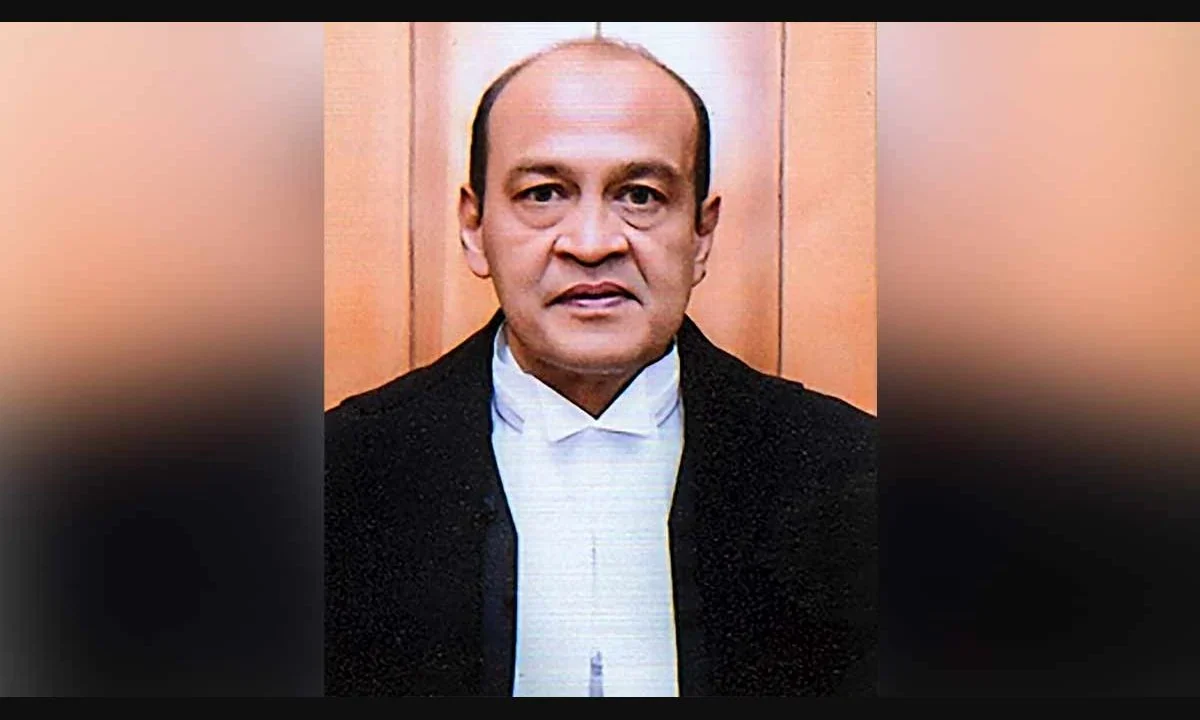
Indiadailyupdate.com – Former HC Judge Yashwant Varma has been found guilty by a Lok Sabha inquiry committee in a high-profile case involving unaccounted cash recovered from his official residence. The panel concluded that Varma’s explanation for the cash-at-home controversy was “evasive and unsatisfactory,” failing to meet the standards of transparency expected from a senior judicial officer. The report, tabled in both houses of Parliament on Wednesday, emphasized that the judge’s response lacked the candour and institutional responsibility necessary in such circumstances.
The controversy began in March 2025 when firefighters discovered a substantial amount of unaccounted, partially burned Rs 500 currency notes in the outhouse of Varma’s residence at 30, Tughlaq Crescent, New Delhi. The discovery came after a fire broke out at the property, prompting emergency responders to investigate the premises. This unexpected finding triggered widespread outrage and renewed allegations of judicial corruption, particularly given that Varma had passed away by the time the full extent of the financial impropriety became public knowledge.
Key Findings of the Lok Sabha Panel
The Lok Sabha panel’s investigation revealed several critical issues regarding the handling of evidence in this case. According to the report, the “evidentiary condition of the storeroom was disturbed before lawful sealing and inspection,” raising serious questions about the integrity of the investigation. The committee noted that the later non-availability of the currency notes remained unexplained, suggesting possible tampering or loss of crucial material evidence.
Evidence and Investigation Details
The report highlighted that the loss of material evidence occurred because Varma failed to preserve evidence properly and allowed staff attached to the premises to disturb the storeroom. While the committee did not find conclusive proof that the judge personally removed the cash, the failure to maintain proper evidence protocols was deemed significant. The comprehensive report, presented in two volumes, contained both oral and documentary evidence recorded during the extensive investigation period.
Impact and Next Steps
Following the controversy, Varma resigned from his position, which has rendered the removal proceedings against him inactive. However, his resignation had not yet been formally notified by the law ministry at the time of the report’s submission. Varma served as a judge of the Delhi High Court and was later repatriated to his parent court, the Allahabad High Court, after the cash-at-home case gained national attention.
The findings in this case were submitted to Lok Sabha Speaker Om Birla in May, marking an important milestone in the parliamentary inquiry. The case has sparked broader discussions about judicial accountability and the need for stricter protocols in handling sensitive investigations involving senior officials.
Frequently Asked Questions
Q: What was the total amount of cash found at Yashwant Varma’s residence? A: A large amount of unaccounted, partially burned Rs 500 currency notes was discovered in the outhouse of his official residence at 30, Tughlaq Crescent, New Delhi, following a fire in March 2025.
Q: Why are the removal proceedings against Varma now inactive? A: Varma resigned from his position following the controversy, which has made the removal proceedings against him inactive, though his resignation had not yet been formally notified by the law ministry.
Q: What did the Lok Sabha panel conclude about Varma’s explanation? A: The panel found Varma’s explanation for the cash-at-home case to be “evasive and unsatisfactory,” noting that it did not exhibit the candour, transparency, and institutional responsibility expected in such circumstances.
Q: Where was Varma posted before and after the controversy? A: Varma was a judge of the Delhi High Court and was later repatriated to his parent court, the Allahabad High Court, after the cash-at-home case gained national attention.