Naga Bloc Walks Out of Manipur Assembly Over Unresolved Killings, Demands Deputy CM’s Removal
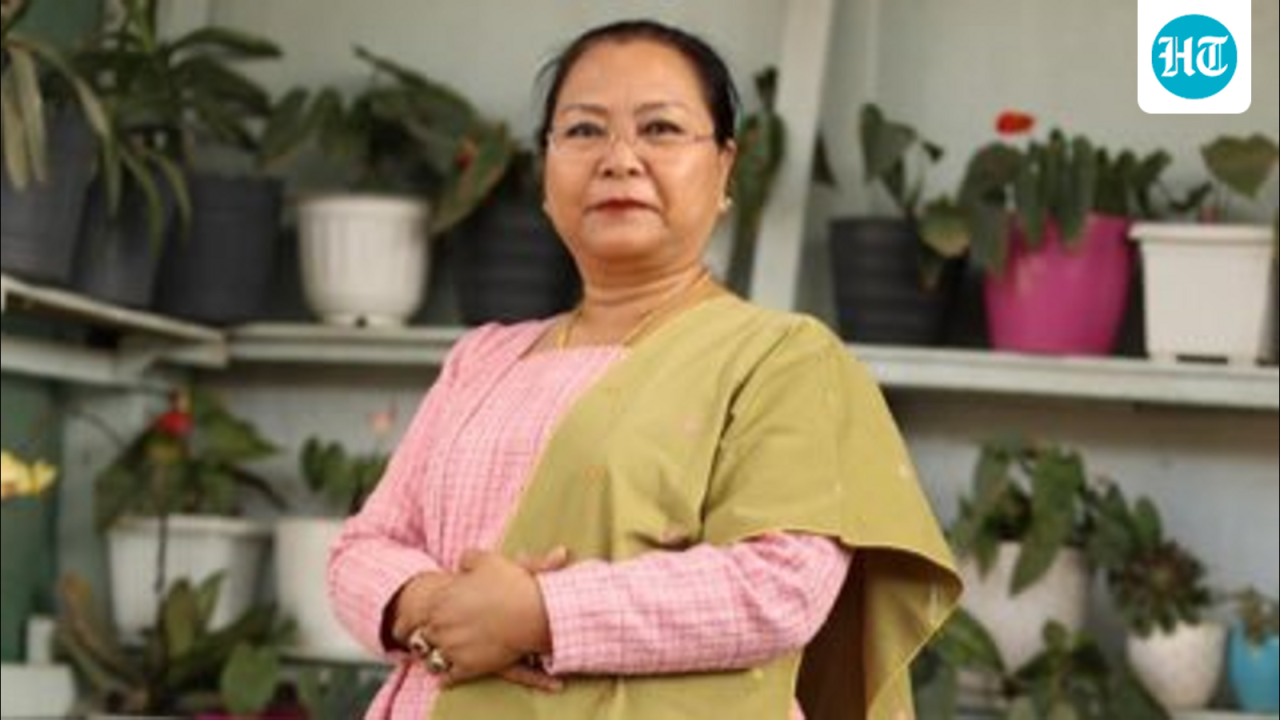
Indiadailyupdate.com – Manipur’s legislative chamber saw an unusual display of collective dissent on Monday when nine Naga members of the state assembly chose to abstain from all proceedings, effectively removing themselves from the floor in a sustained protest. The walkout was not a routine procedural disagreement; it was a pointed political act aimed squarely at Deputy Chief Minister Nemcha Kipgen, whose husband, Thangboi Kipgen, the Naga community identifies as the principal suspect in the abduction and murder of six Naga men earlier this year.
Among the nine legislators taking the abstention was Losii Dikho, who holds the portfolio of second deputy chief minister in a cabinet already strained by communal fault lines. Her participation lent the protest additional weight, signaling that the grievance cuts across rank and portfolio within the Naga political establishment.
The Killings That Triggered the Standoff
The six Nagas were seized by Kuki militants in the Kangpokpi district on May 13 and held captive for close to a month before being killed. Their mutilated bodies were discovered on June 10, the day after the last of the remaining Kuki-Zo hostages were released unharmed. The killings came in the immediate aftermath of a twin ambush on that same May 13 date, which claimed four lives, including three church leaders and one Naga. In total, 48 people from both communities were captured on May 13; by May 15, 14 from each side had been freed, leaving the final group of 14 Kuki-Zo detainees to be released on June 9.
The bodies of the six slain Nagas remain at the Jawaharlal Nehru Institute of Medical Science in Imphal, where the Naga community says they await a judicial reckoning that has yet to materialize.
Political Accusations and Denials
Naga People’s Front chief Awangbou Newmai made the abstention public just hours before the assembly session convened. In doing so, he placed Thangboi Kipgen — a Kuki by ethnicity and husband of the sitting deputy chief minister — at the center of the accusation, naming him responsible for the abduction and killing.
“We will not participate in the House until the House suspends or removes Kipgen from her post. Her husband is the prime accused of abduction and killing of six Nagas.”
Nemcha Kipgen herself responded the previous week, dismissing Dikho’s allegations as unverified claims that risked further eroding the fragile inter-community trust the state desperately needs. She did not, however, offer a detailed rebuttal or point to evidence that would exonerate her husband.
Memorandum to New Delhi
The pressure campaign extended beyond the state legislature. On August 31, the nine Naga legislators delivered a memorandum directly to Union Home Minister Amit Shah, demanding the immediate arrest of Kuki-Zo leaders who have publicly claimed responsibility for the killing and dismemberment of the six. The memorandum specifically named Thangboi Kipgen. Cadres of the self-styled Gen ‘Tiger’ Kipgen faction are alleged to have carried out the killings and mutilated the bodies.
The National Investigating Agency has taken over the probe and arrested four individuals to date. Naga groups, however, insist that all accused parties must be brought to justice and have additionally called for the abrogation of the ceasefire arrangement in place with Kuki militants, arguing that the pact has become a shield against accountability.
A State Still Bleeding
The current standoff sits atop a broader crisis that began in 2023, when ethnic violence first erupted between the Meitei and Kuki communities before spreading to involve nearly every group in the state. The Meitei and Kuki-Zo populations have effectively shut each other out of the areas they dominate, creating parallel zones of exclusion that have reshaped daily life, commerce, and movement across Manipur.
President’s Rule was imposed in the wake of that initial outbreak, and a new government was finally constituted in February of this year — nearly a full year after the central government’s intervention. That cabinet was deliberately assembled to include representatives from all three major communities, an attempt to engineer a balance that might hold the state together. Yet sporadic violence has continued unabated. Since May 2023, the death toll stands at 306, with 49 people still missing.
The Monday abstention thus arrives not as an isolated parliamentary gesture but as the latest pressure point in a prolonged communal crisis. For the Naga community, the question is no longer whether the six will be mourned in the chamber; it is whether the institution will act against a sitting minister’s husband before the next assembly session convenes. Until that question is answered, the nine seats remain empty, and the chamber’s arithmetic of representation stays incomplete.
Related Reading
Frequently Asked Questions
What is Manipur House proceedings?
Manipur House proceedings is the main topic of this guide. The article explains the context, practical details, and next steps readers should understand.
Why does Manipur House proceedings matter?
Manipur House proceedings matters because readers are looking for a useful answer, not just a short summary. Good content should match search intent and help them decide what to do next.