
Why 16GB RAM Is Becoming a Practical Laptop Baseline
Indiadailyupdate.com – A laptop that once felt fast for email, documents and web browsing can begin to feel strained as daily work becomes more demanding. Modern routines often involve a browser full of tabs, video calls, cloud storage, office software, messaging platforms and larger files running at the same time. In that environment, 16GB of RAM is increasingly a sensible target for people who want smoother multitasking and a machine with a longer useful life.
Memory does not work in isolation: processor performance, SSD capacity and speed, display quality, battery endurance and portability all shape the experience. Still, sufficient RAM helps the system keep more active applications and browser data readily available, reducing the need to reload or slow down when moving between tasks.
The encouraging part for buyers is that 16GB configurations are no longer limited to premium models. They can now be found in laptops intended for students, office workers, content creators and general home use. The options below illustrate how manufacturers are pairing that memory capacity with newer AI hardware, compact displays and designs built for mobility.
Samsung Galaxy Book6
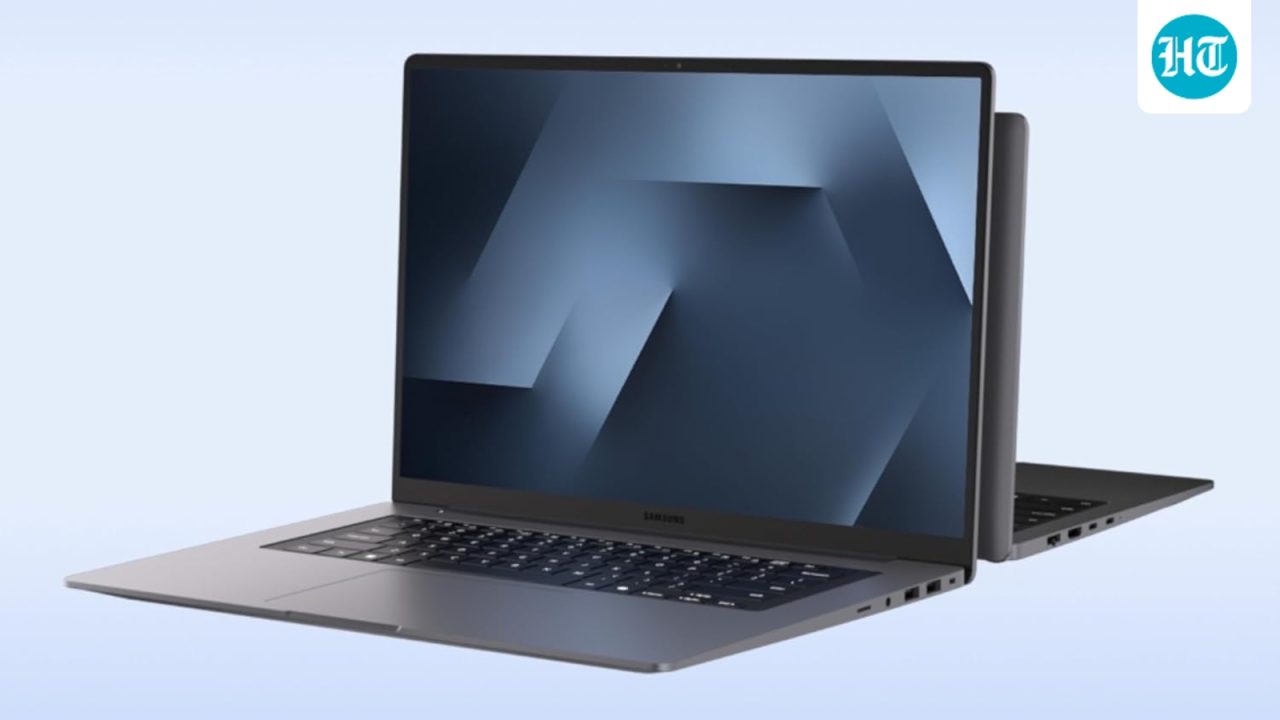
Samsung’s Galaxy Book6 is a 14-inch AI-focused laptop using Intel’s Core Ultra 5 processor from Series 3. It combines 16GB of LPDDR5X memory with a 512GB NVMe SSD, a combination suited to ordinary productivity workloads, browser-based work and regular multitasking.
The notebook has a WUXGA anti-glare screen and a 61.2Wh battery, rated for as much as 24 hours of video playback. Its 49 TOPS NPU supports Copilot+ PC capabilities, while Dolby Atmos stereo speakers, Wi-Fi 6E and a fingerprint reader round out the feature set. At 1.43kg, it remains light enough for commuting between home, class and office.
Feedback from buyers commonly highlights its low weight, display, battery performance and fluid day-to-day operation. There are also reservations worth considering: some users find the keyboard layout less comfortable because of its compact dimensions, and others have been less impressed by the speakers or perceived construction quality.
It is a strong fit for someone seeking a portable Windows machine with modern AI features, long battery potential and support for the wider Samsung ecosystem.
HP OmniBook 5
The HP OmniBook 5 takes a different path, pairing a Snapdragon X processor with a 14-inch 2K OLED display. It includes 16GB of LPDDR5x RAM and a roomier 1TB SSD, offering more local storage for documents, media and installed applications than many 512GB alternatives.
Its Snapdragon NPU is capable of up to 45 TOPS for Copilot+ PC functions. Weighing 1.29kg, the OmniBook 5 is among the lighter options for people who carry a laptop frequently. HP also provides a backlit keyboard, Wi-Fi 6E and fast charging through USB-C.
The OLED panel and long battery endurance are recurring positives in reviews, with testing indicating that it can manage a full working day comfortably. Buyers should nevertheless match the device to their workload. Reviews have noted less convincing results when heavier multitasking is involved, so users whose work regularly involves more demanding applications may want to consider that limitation.
For students, travelling professionals and office users who value an excellent display, low weight and strong battery life, the combination of OLED and Snapdragon hardware can be particularly attractive.
ASUS Vivobook 14
ASUS positions the Vivobook 14 as a compact Copilot+ PC built around AMD’s Ryzen AI 5 330 processor. It has 16GB of DDR5 RAM, a 512GB PCIe 4.0 SSD and a 14-inch FHD+ display with a 16:10 aspect ratio. The taller screen shape can be useful for documents, web pages and productivity applications because it shows more vertical content at once.
Integrated Radeon graphics handle routine computing duties, while a 50 TOPS NPU provides hardware for on-device AI experiences. The laptop weighs roughly 1.46kg and includes a backlit keyboard, Wi-Fi connectivity and a battery intended to support all-day productivity.
Buyer feedback for this model is still limited, so its specification is more informative than a large body of long-term user impressions. The system is aimed at browsing, study, office tasks and everyday work rather than graphics-intensive use. Anyone who expects to rely on demanding graphical workloads should recognise the limits of integrated graphics.
This model makes sense for buyers wanting an AMD-based Copilot+ PC, upgradeable memory, a travel-friendly 14-inch format and enough capacity for common multitasking.
Acer TravelLite TL04-41M
The Acer TravelLite TL04-41M follows a more conventional business-laptop approach. It is a 14-inch model designed for office and productivity use and uses AMD’s older Ryzen 3 5400U processor. Its focus is less on headline AI capabilities and more on straightforward everyday computing.
What Buyers Should Consider Beyond the RAM Figure
For many people, 16GB is not about chasing specifications for their own sake. It is about allowing room for the way laptops are actually used: a presentation open beside a video meeting, multiple research tabs, email, cloud syncing and communication tools all competing for resources. A system with more memory is better placed to accommodate those overlapping tasks.
That does not mean every 16GB laptop will deliver the same experience. A fast SSD affects boot times and file access, while the processor influences how quickly applications respond under load. Display resolution, anti-glare treatment and keyboard comfort matter during long sessions, and battery performance becomes crucial for students and mobile workers.
Buyers should also think about their likely needs over the next few years. Someone handling basic documents may prioritise battery life and weight, while a user dealing with larger files may prefer greater storage capacity. Those interested in Copilot+ PC features should compare the NPU capability alongside the rest of the specification rather than treating AI branding as the only buying criterion.
Ultimately, 16GB RAM has become a useful middle ground: substantial enough for modern multitasking without automatically placing a laptop outside mainstream budgets. Choosing the right model still means balancing memory with the screen, processor, storage, portability and workload that matter most each day.
Related Reading
Frequently Asked Questions
What is Why 16GB RAM laptops are becoming?
Why 16GB RAM laptops are becoming is the main topic of this guide. The article explains the context, practical details, and next steps readers should understand.
Why does Why 16GB RAM laptops are becoming matter?
Why 16GB RAM laptops are becoming matters because readers are looking for a useful answer, not just a short summary. Good content should match search intent and help them decide what to do next.