Pakistan China 5th Gen Fighter Deal Raises IAF Concerns
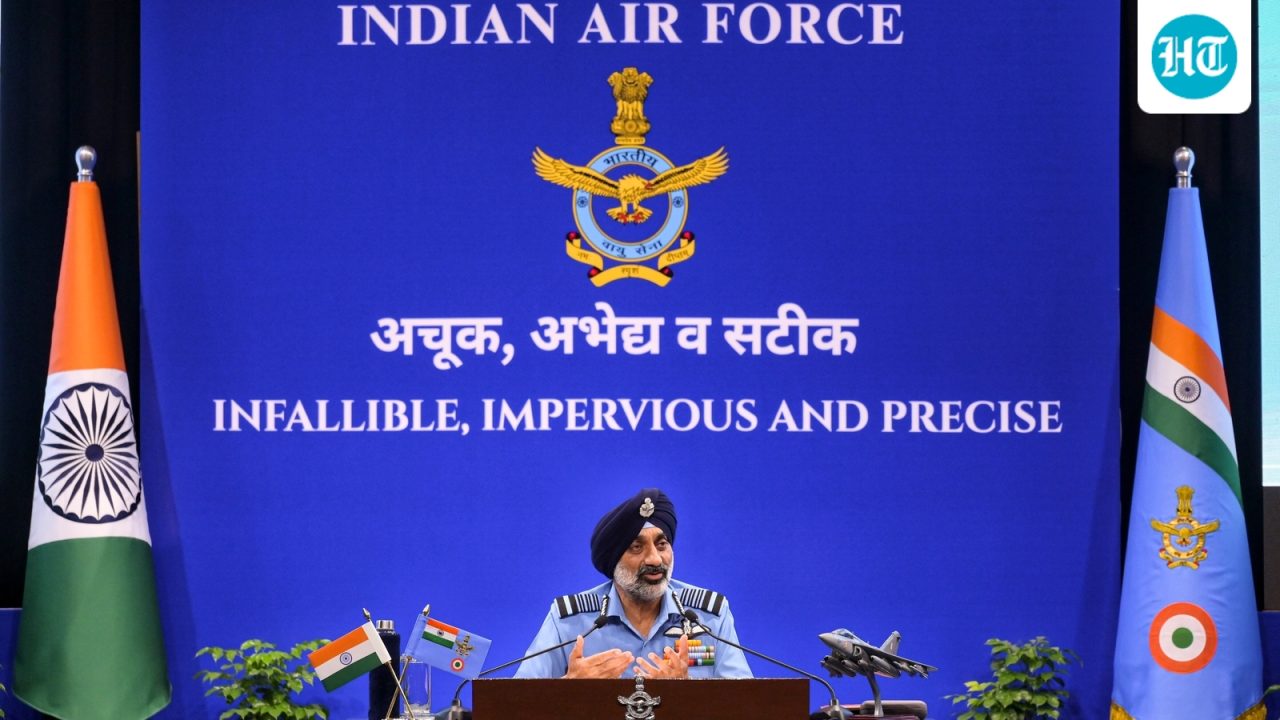
Indiadailyupdate.com – The possible Pakistan China 5th gen fighter collaboration is a concern for India, but the Indian Air Force has the capabilities needed to address the challenge, Chief of Air Staff Air Chief Marshal A P Singh said ahead of Air Force Day. He also underlined the need to speed up the induction of next-generation combat aircraft.
Singh said reports indicate that Pakistan could acquire Chinese fifth-generation fighters in the near future and that Pakistani pilots may already be receiving training in China. While acknowledging the strategic implications, he said the development does not place the IAF in an unmanageable position.
“Reports suggest that Pakistan may acquire them in the near future. There are even reports that their pilots are already undergoing training in China. Undoubtedly, this is a cause for concern. However, is it a no-go situation? I wouldn’t agree with that.”
Aircraft Integration Will Shape the Challenge
The Pakistan China 5th gen fighter issue cannot be judged on the aircraft alone, Singh said. A fighter’s real effectiveness depends on its integration with surveillance systems, command-and-control networks, weapons, maintenance support and operational planning.
Fifth-generation jets are generally associated with features such as reduced visibility, advanced sensors and improved information-sharing. However, these advantages depend on the wider military ecosystem supporting the aircraft and the ability of an air force to use its systems together.
“Pakistan has possessed other platforms in the past, yet they haven’t been able to achieve anything significant with them during Operation Sindoor. Similarly, if we effectively integrate the platforms we are purchasing and inducting, we should be able to counter this threat—at least for the time being, until they fully integrate these new aircraft into their own systems.”
The IAF chief’s comments place emphasis on operational readiness as well as procurement. India’s response will rely on connecting new fighters with existing aircraft, weapons, radar coverage, intelligence assets and command networks.
AMCA and Future Fighter Plans
Addressing the Pakistan China 5th gen fighter concern, Singh said India must prioritise the early induction of aircraft from the same technological generation. He identified the Advanced Medium Combat Aircraft, or AMCA, programme as a key part of India’s long-term plan.
The indigenous AMCA project is intended to provide the IAF with a modern combat aircraft while strengthening domestic aerospace capability. Singh said delays in the programme would require India to consider alternatives.
“We must prioritise the early induction of an aircraft of this generation. We need to push the AMCA program forward; if there are delays, we must make alternative decisions.”
India is also pursuing the multi-role fighter aircraft, or MRFA, process to expand and modernise its fighter fleet. Singh said the proposed deal could be finalised during the current financial year if the required procedures continue as planned.
The government cleared a proposal in February for the acquisition of 114 Rafale fighter jets from France through a government-to-government framework. Negotiations on pricing and other terms are continuing, while Russia has also offered the Su-57 aircraft to India. Singh said no decision has been made on the Russian offer.
Squadron Strength and Modernisation
The IAF chief also highlighted the pressure created by declining fighter squadron strength. He said the force needs to induct between 36 and 40 aircraft every year in the coming years to meet its operational requirements.
That requirement explains why India is pursuing several options at once: upgrading existing assets, developing the AMCA, evaluating foreign acquisitions and improving the support systems that make aircraft effective in combat. Training, maintenance, weapons and infrastructure remain as important as the aircraft themselves.
Pakistan China 5th Gen Fighter: FAQ
Why is the Pakistan China fighter cooperation a concern for India?
The prospect of Pakistan acquiring Chinese fifth-generation fighters could affect the regional air-power balance. The IAF chief said the development is a concern, but stressed that India has the capabilities to counter the challenge.
What is India doing to strengthen its fighter fleet?
India is advancing the AMCA programme, considering additional fighter acquisitions through the MRFA process and working to improve the integration of aircraft with weapons, surveillance and command systems.
Has India decided to buy the Su-57 from Russia?
No. Russia has offered the Su-57 fighter aircraft, but Air Chief Marshal A P Singh said no decision has been taken on the offer.
Related Reading
Frequently Asked Questions
What is Pakistan China 5th gen fighter jet collaboration?
Pakistan China 5th gen fighter jet collaboration is the main topic of this guide. The article explains the context, practical details, and next steps readers should understand.
Why does Pakistan China 5th gen fighter jet collaboration matter?
Pakistan China 5th gen fighter jet collaboration matters because readers are looking for a useful answer, not just a short summary. Good content should match search intent and help them decide what to do next.