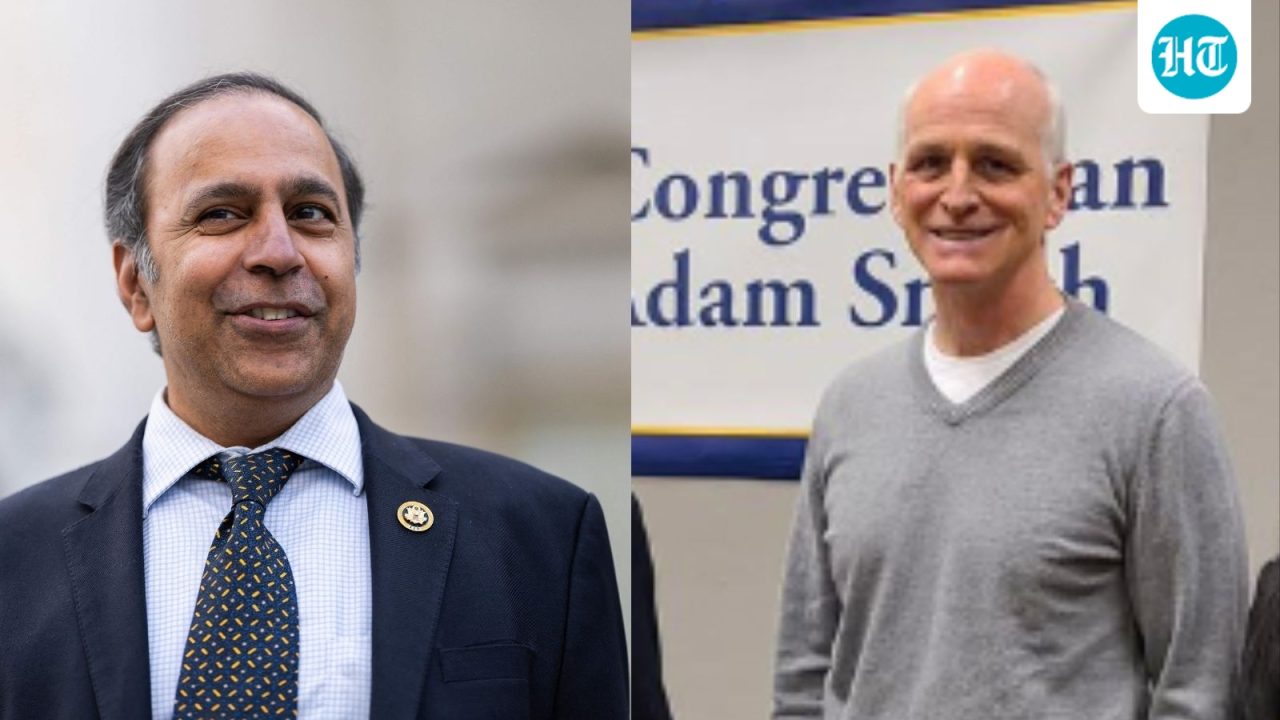

Lawmakers seek to open healthcare pathways for internationally trained professionals
Indiadailyupdate.com – Two new proposals in Congress aim to help immigrant and internationally educated healthcare workers move past the licensing, training and certification hurdles that can keep them out of the US medical system.
Congressman Raja Krishnamoorthi and Congressman Adam Smith introduced the Immigrants in Nursing and Allied Health Act and the Internationally Trained Physicians Assistance Act on October 1. The measures are designed to connect qualified professionals with routes into a workforce facing persistent staffing pressures in many communities.
The legislation focuses on people whose education and experience may be substantial but whose credentials do not automatically translate into permission to practice in the United States. For nurses, allied health workers and physicians trained abroad, navigating examinations, licensing requirements, language courses and US-based clinical training can involve years of effort and considerable expense.
“Skilled doctors, nurses, and other health professionals should have the opportunity to put their training and expertise to work caring for patients,” Krishnamoorthi said. “Our legislation would help qualified immigrants overcome unnecessary barriers to entering the health care workforce while helping communities address critical provider shortages.”
Support for nurses and allied health professionals
The Immigrants in Nursing and Allied Health Act would establish grants for programs that assist immigrants trying to enter healthcare careers. The support could cover training, professional licensing, certification and case management, giving participants help through a process that can be difficult to navigate independently.
Its scope extends beyond nursing. Eligible professions would include dental hygiene, dietetics, medical technology, occupational therapy, physical therapy, respiratory therapy and speech-language pathology. These fields play important roles in everyday patient care, rehabilitation, diagnosis and long-term treatment, making shortages particularly consequential for hospitals, clinics and patients.
The proposal would also broaden eligibility for the National Health Service Corps to include immigrants who are not US citizens. The corps supports healthcare professionals serving in areas with limited access to medical care, making the change potentially relevant to communities that struggle to recruit providers.
The demand for nurses remains a major concern. Smith’s office highlighted an estimate that roughly 200,000 nurses will need to be hired each year to respond to growing demand and replace workers who retire. Creating clearer entry points for people already educated in relevant fields could help employers draw on talent that is currently underused.
A supervised route for physicians educated abroad
The Internationally Trained Physicians Assistance Act addresses a separate challenge: the path for doctors whose medical education was completed outside the United States. Even experienced physicians can face extensive requirements before receiving a US medical license, including further education, examinations, certification and residency training.
Under the proposed measure, states would be encouraged to create temporary licensing programs. These programs could allow internationally trained physicians to work under supervision as they finish the steps required for full licensure in the United States.
The bill also calls for guaranteed medical residency positions for internationally trained physicians who work in communities that are predominantly medically underserved. Residency placements are a central part of the US licensing pathway, so access to these positions can determine whether a qualified doctor is able to continue toward independent practice.
Financial assistance is another element of the plan. Grants could help aspiring physicians pay for examination preparation, testing fees, certification, English-language instruction and case management. For many professionals rebuilding a career after immigrating, those costs can be a practical obstacle even when they possess medical degrees and prior clinical experience.
Workforce needs and immigrant underemployment
The bills reflect two linked issues: shortages among healthcare providers and the underemployment of educated immigrants. A 2022 Migration Policy Institute study cited by Smith’s office found that 2.1 million college-educated immigrants were unemployed or working below their qualifications.
Healthcare is one of the clearest examples of this mismatch. A professional may have completed rigorous medical or nursing education overseas, yet be unable to use those skills in the United States without overcoming a different set of regulatory and training requirements. The proposed legislation does not eliminate professional standards; instead, it seeks to provide more structured support and supervised pathways through them.
Access to primary care is another central concern. The Association of American Medical Colleges has projected that the United States could face a shortage of as many as 48,000 primary care physicians by 2034. Longer waits for appointments and limited local provider options can be especially challenging in underserved areas.
Smith said many trained health professionals are prevented from applying their expertise because of licensing barriers, while patients are left waiting longer for care. The proposals seek to address both sides of that problem by helping qualified immigrants pursue the credentials required in the US system.
Support and next steps
The measures have drawn backing from World Education Services, Upwardly Global, the International Medical Graduates Academy, Nashi Immigrants Health Board and the Northwest Immigrant Rights Project.
For immigrant healthcare professionals, the bills would not create immediate new rights or licensing approvals. They remain legislative proposals and must advance through Congress before any of their provisions can take effect. If enacted, they could offer more organized support for nurses, allied health workers and physicians seeking to convert international training into healthcare careers in the United States.
Related Reading
Frequently Asked Questions
What is Raja Krishnamoorthi Adam Smith introduce new bills?
Raja Krishnamoorthi Adam Smith introduce new bills is the main topic of this guide. The article explains the context, practical details, and next steps readers should understand.
Why does Raja Krishnamoorthi Adam Smith introduce new bills matter?
Raja Krishnamoorthi Adam Smith introduce new bills matters because readers are looking for a useful answer, not just a short summary. Good content should match search intent and help them decide what to do next.