
Supreme Court fast-tracks High Court scrutiny of Great Nicobar project approvals
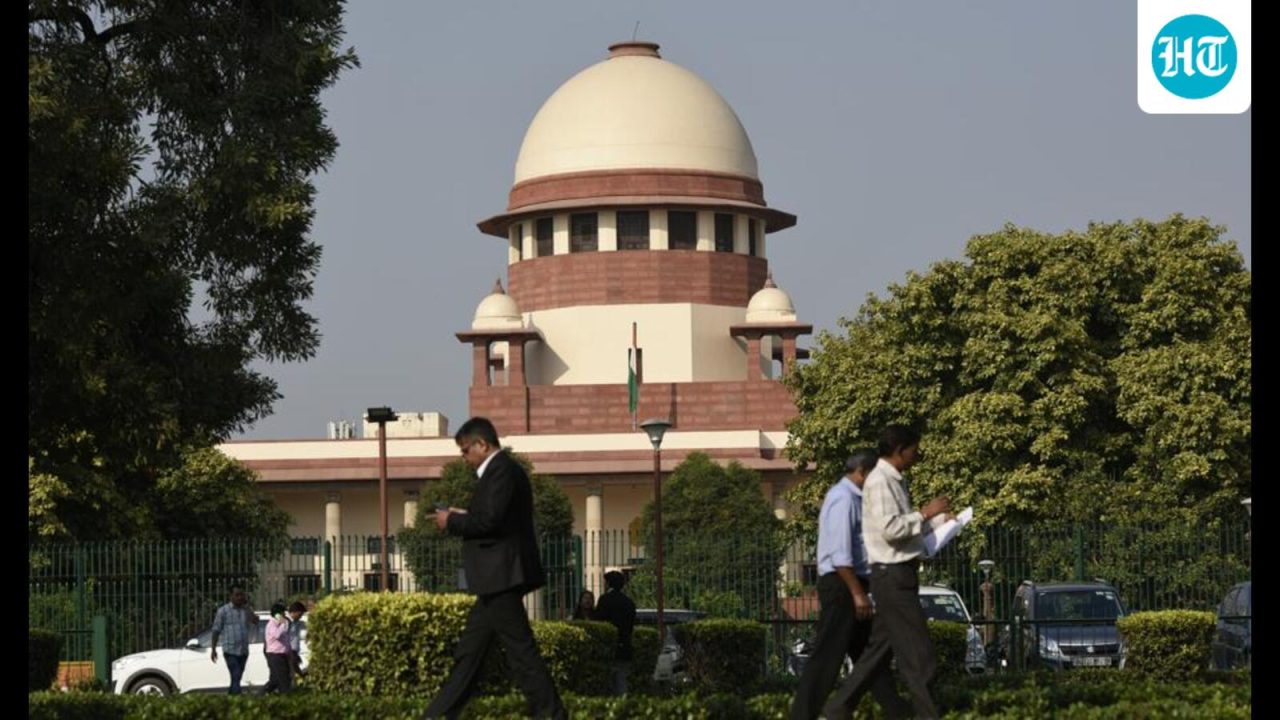
Indiadailyupdate.com – The Supreme Court has declined the Centre’s request to halt a public-interest case challenging statutory approvals linked to the Great Nicobar project. Instead, it asked the Calcutta High Court to proceed expeditiously with the matter and examine the challenge on its merits.
A three-judge bench led by Chief Justice of India Surya Kant, along with Justices Joymalya Bagchi and V Mohana, was hearing challenges by the Union government and the Andaman and Nicobar administration. The authorities had questioned the maintainability of a petition filed by former IAS officer Meena Gupta.
The court indicated that the dispute should not be confined to whether Gupta could bring the petition, an issue already considered by the High Court. The central question is whether the objections to the approvals require detailed judicial examination.
High Court asked to hear the case without delay
The Supreme Court did not take up the substantive challenge itself. It requested the chief justice of the Calcutta High Court to ensure that pleadings are completed and the hearing is concluded as quickly as possible. Senior advocate S Muralidhar, appearing for Gupta, said the case had already been listed for November 25 and 26.
Both sides supported an early resolution. The High Court will therefore remain the forum responsible for deciding the legal objections surrounding the proposed development on Great Nicobar Island.
The Great Nicobar project has prompted debate because it involves a remote and environmentally sensitive island where infrastructure plans, ecological concerns, strategic interests and the rights of indigenous communities intersect.
Indigenous communities at the centre of the dispute
Gupta has argued that the approvals affect statutory and customary protections available to the Shompen and Nicobarese communities. Her petition also refers to concerns about whether these communities were adequately heard before approvals were granted.
Muralidhar told the Supreme Court that tribal councils wished to participate in the proceedings. Attorney General R Venkataramani, appearing with Additional Solicitor General Aishwarya Bhati, disputed the claim and said that consultations with tribal communities had taken place.
The bench nevertheless highlighted the distinct status of the island’s indigenous groups and the need to protect their identity and way of life.
“They are unique tribes, and they need preservation.”
The judges also raised the broader issue of whether the Shompen community should be able to retain its uniqueness if it chooses to do so. Referring to the Great Andamanese tribes, the bench noted the importance of considering how development may affect vulnerable communities.
Culture, ecology and development concerns
The Supreme Court linked the preservation of tribal culture to constitutional protection, observing that proposals affecting indigenous populations must be assessed with that responsibility in mind.
“Preservation of culture is a constitutionally protected fundamental right. When you talk about an eco park, it is about ecology. Tribal culture must receive constitutional protection.”
The court also addressed the government’s argument that the proposal is of major national importance. While acknowledging that national security considerations may be relevant, the bench cautioned against treating security and commercial activity as the same thing.
“There has to be filtration between security of the State and commercial exploitation.”
The eventual High Court ruling may clarify how environmental approvals, indigenous rights and development objectives should be weighed in the Great Nicobar project. For now, the Supreme Court’s order ensures that the challenge will move forward without unnecessary procedural delay.
Great Nicobar project: Frequently asked questions
What did the Supreme Court decide?
The Supreme Court refused to stop the public-interest case and asked the Calcutta High Court to hear it quickly and decide the issues on merit.
What are the main concerns raised in the case?
The petition raises concerns about statutory approvals, environmental issues and protections for the Shompen and Nicobarese communities.
Will the Supreme Court decide whether the approvals are valid?
No. The Supreme Court has left the detailed examination of the approvals and related objections to the Calcutta High Court.
Related Reading
Frequently Asked Questions
What is Great Nicobar project?
Great Nicobar project is the main topic of this guide. The article explains the context, practical details, and next steps readers should understand.
Why does Great Nicobar project matter?
Great Nicobar project matters because readers are looking for a useful answer, not just a short summary. Good content should match search intent and help them decide what to do next.