Trump AI Task Force Faces Calls for Tighter Safeguards
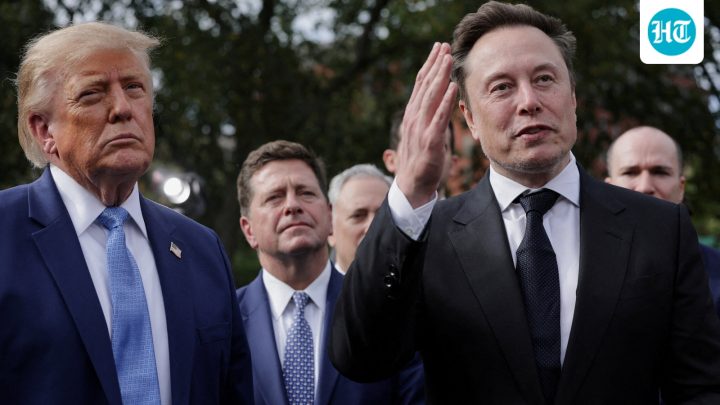
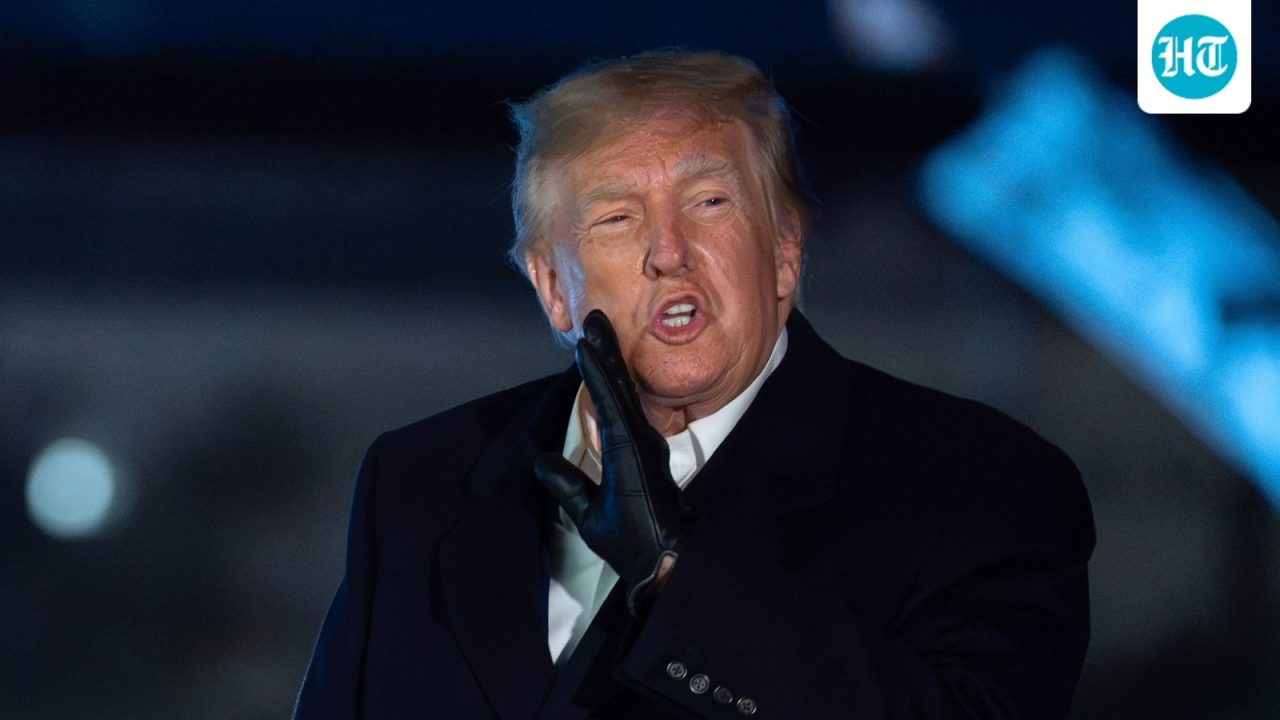
Indiadailyupdate.com – Trump s Super Intelligence Task Force is set to begin its work as calls grow for stronger federal safeguards around artificial intelligence. The group’s senior leaders are scheduled to meet on Thursday, followed by a meeting of the full committee next week.
The task force comes at a pivotal moment for AI policy in the United States. Artificial intelligence is becoming more widely used in workplaces, consumer services, cybersecurity and essential industries, raising questions about security, accountability and the concentration of power among major technology companies.
Task force leaders prepare for first meeting
President Donald Trump has referred to the new body as the Super Intelligence Task Force. Intelligence Director Jay Clayton leads the panel, while Scott Kupor serves as vice chair. Federal Trade Commission Chair Andrew Ferguson and Emil Michael, the Defense Department’s technology lead, are also senior figures in the group.
Kupor said the four leaders would meet Thursday before the wider committee gathers the following week. After that meeting, the panel is expected to produce a charter outlining its responsibilities and goals.
The Trump s Super Intelligence Task Force will have a small dedicated team, with four to five staff members expected to support its work full-time. Its agenda could touch on competition, consumer protection, national security, cybersecurity and the use of advanced AI systems across the economy.
Voters want more action on AI rules
Concerns about artificial intelligence have intensified as powerful systems become more common. Many Americans believe the Trump administration and Congress have not acted quickly enough to address potential risks linked to AI.
A Reuters/Ipsos poll published Wednesday found that most US voters favor new government rules for the technology. The result reflects a broad policy challenge: AI may offer economic and scientific opportunities, but the public also wants meaningful protection from security weaknesses and other harms.
The AI companies “need to step up and demonstrate that they are taking concerns that people have around security and vulnerabilities very seriously, as do we,” Kupor said.
The comment signals that cybersecurity may be an early priority. As businesses and public institutions adopt AI tools, they may need to strengthen protections for sensitive information, automated systems and networks that could become targets for digital attacks.
Focus extends beyond major tech companies
Kupor plans to consult industries outside the traditional technology sector, including banking, healthcare and utilities. Those discussions are intended to help officials understand how AI could affect each sector’s exposure to cyber threats.
These industries manage vital services and sensitive data. Banks handle financial transactions, healthcare organizations protect patient information, and utilities operate infrastructure that communities rely on every day. The risks from AI may differ depending on how a system is used, the information it processes and the impact of a failure or breach.
Emil Michael is expected to work directly with AI developers, giving the task force a way to hear from companies building the technology. That engagement could help the panel assess both the speed of innovation and the security concerns surrounding advanced AI systems.
FAQ: What could this mean for people in the US?
When will the task force begin its work? Its senior leaders are scheduled to meet Thursday, and the full committee is expected to convene the following week.
What issues may the panel examine? The Trump s Super Intelligence Task Force is expected to consider AI security, vulnerabilities, consumer protection, competition, national security and risks affecting critical industries.
Why are banking, healthcare and utilities involved? These sectors manage essential services and highly sensitive information, making it important to understand how AI could change their cybersecurity risks.