
Ukraine’s Air Defence Is Becoming a Test of Western Resolve
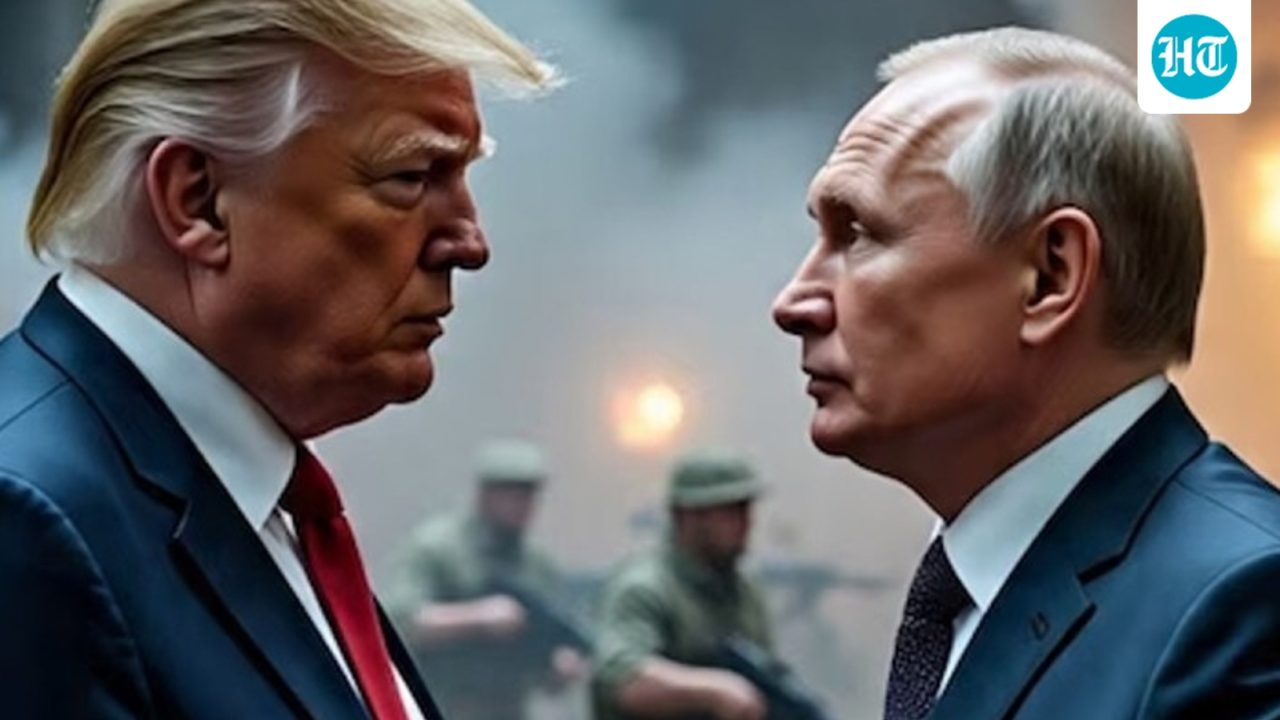
Indiadailyupdate.com – Diplomatic contacts between Washington and Moscow have returned the war in Ukraine to a particularly dangerous moment. Discussions taking place away from public view are examining possible routes to an armistice, including frozen lines of control, limits on attacks against energy facilities and arrangements for future security. Instead of easing tensions, however, the prospect of negotiations has deepened anxiety among Ukraine and its European partners.
The sharpest concern centres on the flow of Patriot air-defence interceptors. Delays and tighter procedures affecting deliveries from the United States have become far more than a technical supply issue. For Kyiv, the availability of these missiles is tied directly to the protection of civilians, electricity networks, heating systems and major urban areas as Russia continues to employ ballistic and hypersonic weapons.
A defensive capability with strategic consequences
Patriot systems are designed to intercept incoming threats, including missiles that can cause severe damage to civilian infrastructure. Ukraine’s leadership has warned that its interceptor reserves are under intense pressure while Russian strikes target municipal substations, heating facilities and other essential services. With winter approaching, the stakes extend beyond military positions: damage to energy infrastructure can leave households without power or heat during freezing conditions.
Kyiv rejects the argument that air-defence munitions should be used as leverage in peace diplomacy. From its perspective, a reduction or postponement in supplies does not create balanced conditions for compromise. It gives Russia greater freedom to strike from the air while limiting Ukraine’s ability to protect population centres. The concern is especially acute when European governments have financed or arranged acquisitions through joint mechanisms but transfers still depend on US approval for re-export or release.
Ukrainian officials have signalled openness to practical steps that could reduce attacks on vital infrastructure. A proposed mutual 30-day pause in energy strikes illustrates that approach. Yet Kyiv maintains that any ceasefire framework without credible guarantees for air defence would leave the country exposed at the very point when it is expected to negotiate.
Washington’s strategic calculation
In Washington, the argument is shaped by a broader assessment of military capacity and geopolitical risk. The conflict has placed sustained pressure on stocks of precision weapons, while the United States must also consider requirements in the Indo-Pacific and West Asia. Some policymakers believe that an open-ended war of attrition could strain industrial capacity, increase domestic economic pressures and raise the possibility of a direct confrontation between NATO and a nuclear-armed Russia.
Supporters of a more restrained approach argue that diplomacy requires incentives as well as pressure. Their preferred approach includes reviewing weapons flows, limiting or conditioning approval for some offensive operations, and encouraging Kyiv to avoid long-range drone attacks on Russian oil refineries. The latter concern is linked to the potential effect of energy disruption on wider oil markets.
Within that framework, the slower movement of PAC-2 and PAC-3 Patriot interceptors is presented as a consequence of limited inventories and global production constraints. The central dispute is therefore not simply over whether negotiations are desirable. It is over whether defensive weapons can be slowed without making Ukraine more vulnerable to coercion.
Europe’s unease over the terms of peace
European governments, especially those closest to Russia’s borders, see the issue through the lens of long-term continental security. Many fear that direct US-Russia negotiations could produce a settlement that leaves Europe carrying the consequences without having shaped the outcome. A deal that appears to reward territorial seizure, they worry, could weaken deterrence along NATO’s eastern flank and encourage future pressure on neighbouring states.
The Patriot dispute has also exposed Europe’s continuing dependence on American defence infrastructure. Even when European countries seek to send systems or munitions from their own stocks, authorisation requirements can slow the process. That dependence has become a political problem as well as a logistical one, reinforcing calls for Europe to build greater capacity to manufacture, maintain and replenish advanced air-defence equipment.
For frontline European states, air defence in Ukraine is not viewed as a distant battlefield matter. It is part of the wider question of whether Russia can use missile pressure against civilian life to influence political outcomes. If a country is forced into concessions because it cannot defend its energy grid or cities, the precedent would resonate well beyond Ukraine.
The Risk of Negotiating Under Fire
A viable ceasefire normally requires each side to believe that restraint will not immediately create a fatal disadvantage. That principle is difficult to sustain when one party faces recurring missile barrages and lacks sufficient means to intercept them. Ukraine’s position is that protection from attack is a prerequisite for meaningful talks, not a concession to be delayed until after an agreement is reached.
The wider Western coalition faces a difficult balance. It must weigh limited weapons stocks, the danger of escalation and competing global commitments against the immediate human and strategic cost of weakened Ukrainian air defence. Neither military support nor diplomacy can be treated in isolation. Decisions on interceptor deliveries shape the conditions in which any negotiation occurs.
The present controversy is ultimately about credibility. If security assistance is perceived as conditional at the moment of greatest vulnerability, confidence between Ukraine, the United States and European allies may erode further. If, on the other hand, defensive protection remains reliable, diplomacy may have a better chance of proceeding without turning civilian exposure into a negotiating instrument.
Related Reading
Frequently Asked Questions
What is Washington Moscow and the moral hazard?
Washington Moscow and the moral hazard is the main topic of this guide. The article explains the context, practical details, and next steps readers should understand.
Why does Washington Moscow and the moral hazard matter?
Washington Moscow and the moral hazard matters because readers are looking for a useful answer, not just a short summary. Good content should match search intent and help them decide what to do next.