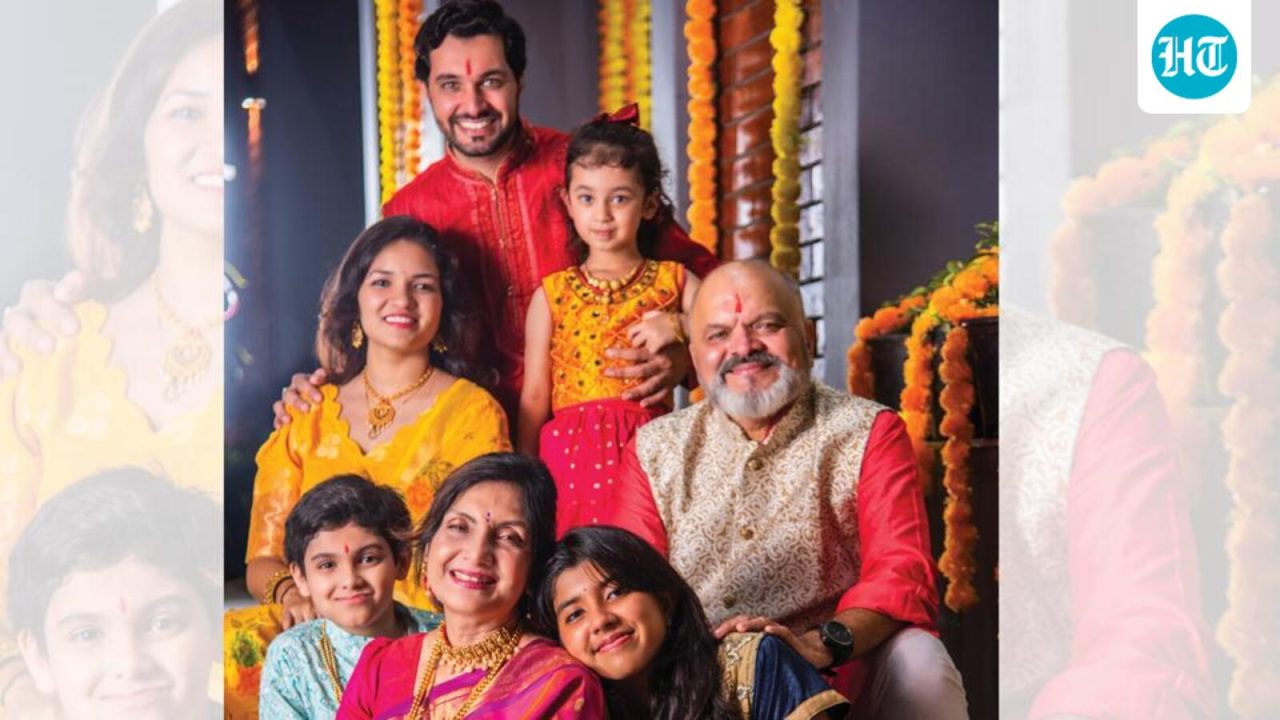

Make Diwali Brighter by Sharing Its Light
Indiadailyupdate.com – Diwali is often celebrated through the glow of diyas, strings of fairy lights and homes prepared to welcome Goddess Lakshmi. Across India, Deepawali carries the familiar message of light overcoming darkness and goodness prevailing over evil. Yet the festival’s spirit can extend beyond decorated balconies, candles and festive displays.
This year, amid the rituals, sweets and celebrations, there is an opportunity to make the occasion meaningful in a more personal way: by bringing warmth, attention and practical help into someone else’s life. A small act of generosity can create a kind of brightness that lasts longer than any festive light.
Begin with the people closest to you
The old idea that charity starts at home remains especially relevant during festivals. Parents, grandparents and in-laws may value time and presence more than any expensive item. If it has been a while since you visited them, Diwali can be an ideal reason to arrive with a box of mithai and share an unhurried afternoon or evening together.
A surprise visit can be particularly touching. The pleasure of opening the door to a loved one is often far greater than receiving another message on a phone. Festivals have a way of reminding families of shared memories, inherited traditions and the importance of simply being together.
For people who live far from family, the same sentiment can be expressed in other ways. A long conversation, a video call without rushing, or arranging a meal delivery can help a relative feel included. The important part is not the scale of the gesture, but the thought behind it.
Recognise the people who support your everyday life
Diwali is also a moment to acknowledge domestic workers, drivers, security guards, office assistants and others whose effort makes homes and workplaces function smoothly. Financial bonuses are an established part of the season in many households and offices, with a month’s salary often treated as a customary benchmark. But appreciation should not end with a formal payment.
A useful, carefully selected gift can signal genuine respect. It need not be extravagant: festive food, clothing, a household essential or something chosen with the recipient’s needs in mind may mean much more than an impersonal package. A sincere thank-you, offered directly, can be equally valuable.
Thoughtfulness matters because it turns a routine seasonal exchange into recognition. Many people work quietly behind the scenes throughout the year. Diwali offers a chance to make sure they know their contribution has been noticed.
Redirect festive spending towards a wider purpose
Gift-giving among friends, neighbours and professional acquaintances can sometimes become automatic. This Diwali, it may be worth reconsidering a portion of that customary budget. Rather than sending yet another obligatory hamper, people can choose to support initiatives that serve children without family support, disadvantaged communities or people experiencing hunger.
Contributions can be made to organisations working with orphanages and vulnerable children, or towards efforts that provide meals during the festival period. Those who prefer a more direct approach can help families and individuals in their own neighbourhoods. The aim is not to turn celebration into guilt, but to allow abundance to travel further.
Food is one of the simplest ways to share a festival. A meal, groceries or packaged treats can bring immediate comfort to someone who might otherwise experience Diwali without its usual pleasures. Even modest giving can have a visible effect when it is offered with dignity and kindness.
Share the treats instead of storing them away
Festive households often accumulate boxes of sweets, snacks and chocolates. Rather than letting everything remain on a shelf, consider setting aside some of those items for others. A drive through the city can become an occasion to distribute small treats to children seeking help at traffic lights.
A packet of biscuits or a box of chocolates will not solve the larger hardships that many families face. Still, a gesture of sharing can bring a brief moment of joy and remind both giver and receiver that the festival belongs to everyone. It can also encourage families to involve children in giving, helping them understand that celebration is not only about receiving.
“Charity begins at home.”
The familiar saying is a useful starting point, but its meaning need not stop at the doorstep. Care can move outward: from family to employees, from neighbours to strangers, and from one household to a wider community.
A festival with room for more happiness
Diwali does not require anyone to abandon its pleasures. Homes can still be illuminated, favourite dishes can still be prepared, and loved ones can still exchange gifts. The difference lies in making room for another person’s happiness alongside one’s own.
When generosity becomes part of the celebration, the festival’s central imagery gains a deeper meaning. The diya is no longer only an object placed in a window; it becomes a reminder that warmth can be extended through time, attention, food, gifts and support.
There is also something quietly restorative about helping someone else. It shifts the focus away from what is missing, what has not been bought or how elaborate the festivities appear. In its place comes a more lasting satisfaction: the sense that one’s celebration helped make another day easier or more cheerful.
This Diwali, let the lights shine beyond the walls of home. Visit someone who misses you, thank someone whose work often goes unnoticed, support a worthwhile cause or share a festive treat with a child. In helping another person feel seen, the festival can make your own life feel lighter too.
May the season bring warmth, generosity and a very happy Diwali to all.
Related Reading
Frequently Asked Questions
What is Spectator by Seema Goswami?
Spectator by Seema Goswami is the main topic of this guide. The article explains the context, practical details, and next steps readers should understand.
Why does Spectator by Seema Goswami matter?
Spectator by Seema Goswami matters because readers are looking for a useful answer, not just a short summary. Good content should match search intent and help them decide what to do next.