Correction Required: Supreme Court Halts Madras High Court’s Cow Slaughter Ban in Tamil Nadu
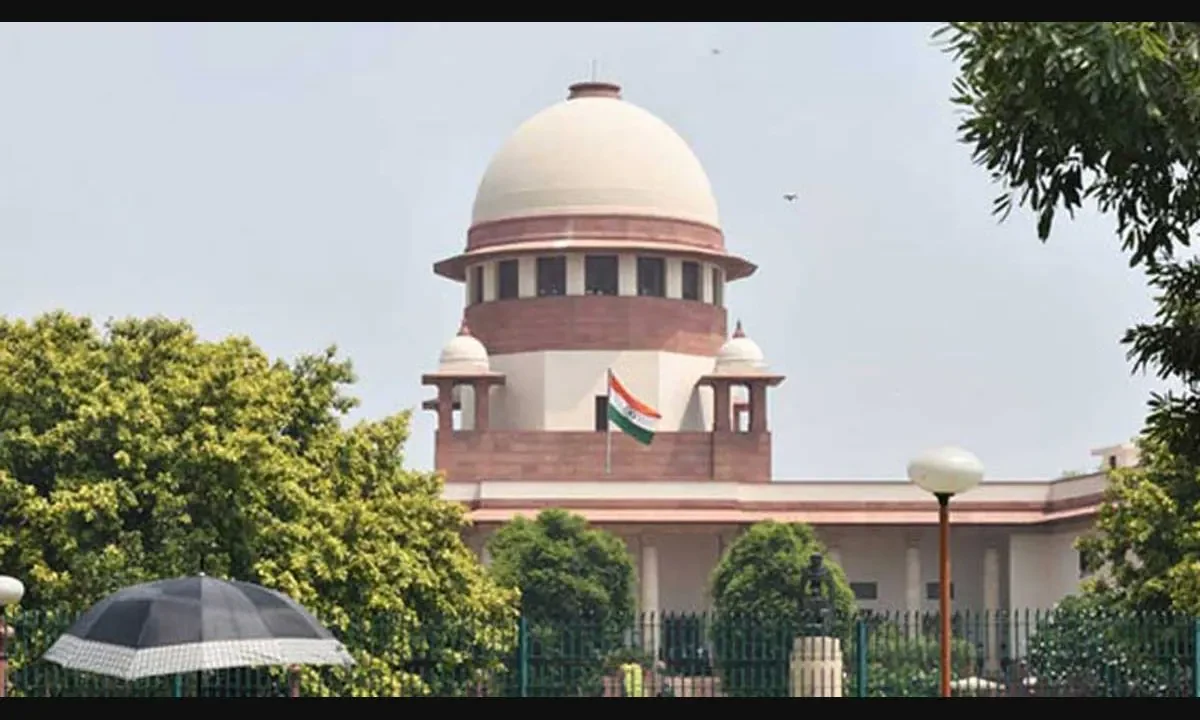
Indiadailyupdate.com – The Supreme Court recently correction required a directive issued by the Madras High Court, which had imposed a complete ban on cow and calf slaughter in Tamil Nadu. This pivotal decision came after the court scrutinized the High Court’s May 27 order and found its final paragraph “prima facie required correction.” The order, initially enforced on May 28, had mandated strict prohibitions on the slaughter of cows and calves across the state, drawing criticism from the Vijay-led Tamil Nadu government. The Supreme Court’s intervention has now paused the implementation of this rule, allowing for further legal deliberation and argumentation.
The Legal Context of the Cow Slaughter Ban
Under the directive, the Madras High Court had ordered the Chief Secretary and senior police authorities to enforce the ban on cow slaughter, citing a 1976 government resolution. The court argued that such restrictions would help curb the declining milk production and support rural economies by preserving cattle populations. However, the Tamil Nadu government challenged the order, asserting that the High Court had misinterpreted the provisions of the 1958 Animal Preservation Act, which permits the slaughter of cows deemed unfit for work or breeding. The correction required by the Supreme Court highlights the need to reconcile these differing legal interpretations and ensure the directive aligns with existing statutes.
“The final paragraph of the order prima facie required correction,” the Supreme Court remarked, pointing to inconsistencies in how the High Court had applied the law. This observation underscores the importance of clarity in legal rulings, particularly when they affect the rights and responsibilities of state governments and citizens alike.
Key Arguments and Petitions
The initial impetus for the Madras High Court’s order stemmed from a petition filed by K. Surya Prasanth, the general secretary of the Hindu Makkal Katchi party. He had sought guidelines to ensure cow slaughter occurred only at designated locations, especially during the religious festival of Bakrid. However, the court’s ruling expanded beyond this scope, imposing a statewide prohibition on the slaughter of cows and calves regardless of the occasion. This broad interpretation has sparked debates about the balance between religious sentiments and legal precision, with critics arguing that the ban lacks necessary safeguards and flexibility.
The Supreme Court’s decision to correction required the directive reflects a growing emphasis on procedural accuracy and the integration of state laws with central statutes. The court emphasized that the High Court had not adequately considered the Tamil Nadu government’s own legislative framework, which already outlines specific conditions for cow slaughter. This oversight, according to the Supreme Court, necessitated a review to prevent the imposition of an overly rigid rule that might conflict with existing legal norms.
Implications and Public Reaction
The stay on the cow slaughter ban has created a temporary reprieve for farmers, traders, and communities reliant on cattle for livelihood. It also opens the door for a more nuanced discussion on the directive’s implementation. While religious groups have welcomed the court’s correction required decision, emphasizing the importance of preserving cultural practices, animal rights advocates have expressed concerns about the potential for continued unrestricted slaughter. The case now hinges on whether the High Court will revise its order to incorporate the state’s legal arguments or if the Supreme Court will ultimately affirm its original stance.
As the legal battle continues, the correction required by the Supreme Court serves as a reminder of the judiciary’s role in ensuring that legal directives are not only well-intentioned but also logically sound. The ruling highlights the need for cross-examination of legal interpretations and underscores the complexities of balancing religious freedoms, animal protection, and economic pragmatism in legislation. With further arguments pending, the outcome of this case could set a precedent for future laws governing cow slaughter in Tamil Nadu and beyond.