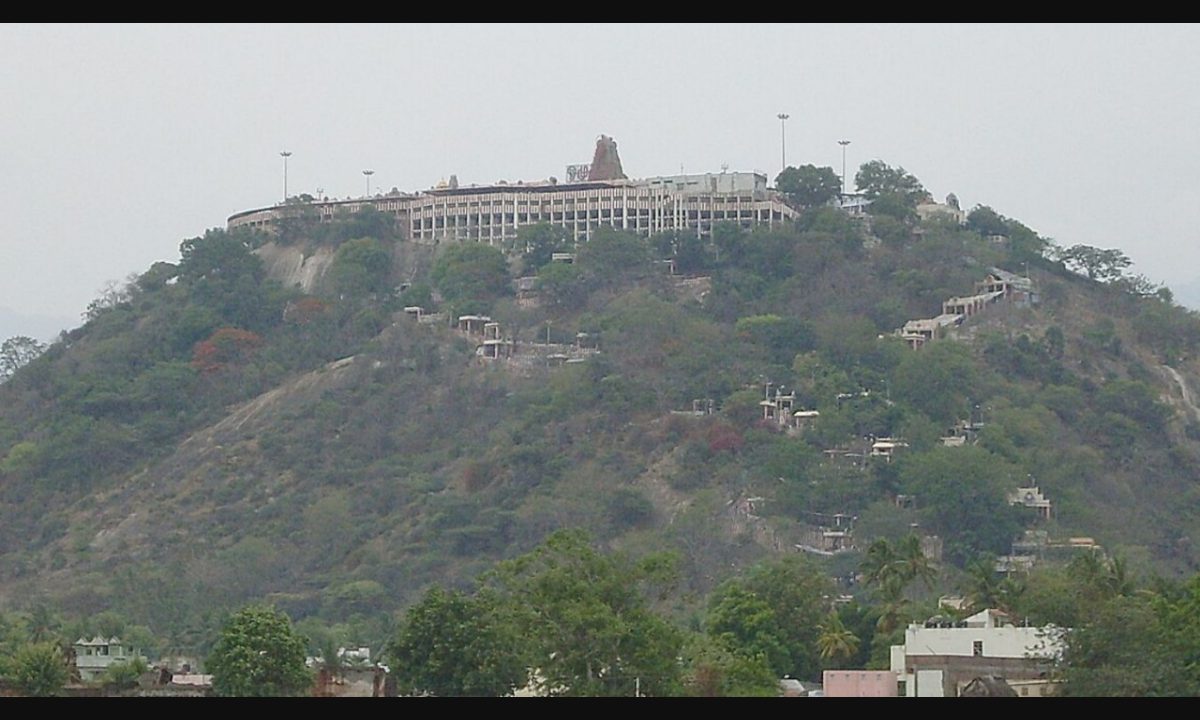

EXCLUSIVE | Palani Temple Land Scandal Reveals ₹100 Crore Fraud and Systemic Corruption
Indiadailyupdate.com – The Palani temple, a revered spiritual hub in Tamil Nadu, has become the epicenter of a startling ₹100 crore land fraud that has shaken the foundations of institutional integrity. Devotees who once gathered in the sacred premises to offer prayers now face a new dilemma: the once-usable parking space at the hilltop shrine has been quietly converted into a source of political and financial exploitation. The scandal, which has sparked widespread outrage, revolves around a 1.40-acre plot in Ward 3, Block 25, officially registered under Town Survey numbers 998 and 999. This land, which had served as a vital parking solution for decades, was sold off in a single afternoon through a meticulously planned legal maneuver, revealing a web of collusion that has left the temple’s mutt in a precarious financial situation.
A Sacred Land Turned into a Political Pawn
The land in question was historically held by the Arulmigu Dhandayuthapani Swami Mutt, a religious trust that had safeguarded the property for over a century. Its legal status was protected by a charitable settlement deed dated 1888, which ensured perpetual dedication to religious purposes. However, the recent fraudulent registration of the plot under the guise of a commercial transaction has cast doubt on this long-standing commitment. The operation, orchestrated through an FIR registered at Palani Adivaram police station, exposed how the land was transferred to private individuals in a single day, bypassing decades of administrative oversight and legal safeguards. This move has not only deprived the temple of a critical asset but also raised questions about the transparency of the system meant to protect religious properties.
The Fraud’s Legal and Financial Dimensions
According to the FIR, the fraudulent sale of the land involved a complex legal framework, with the plot registered under the name of two private individuals—Murugadhas from Villupuram and Vellathurai of Pappankulam—on July 6, 2026. The transaction was further facilitated by Sethupathi of T.K.N. Pudur and Justin Manikandan, the sub-registrar of Palani, who played a pivotal role in the process. The scheme relied on strategic timing, as the first attempt to register the sale on March 27, 2026, was rejected due to procedural irregularities. Despite this, the final registration was executed with political backing, allowing the plot to be transferred without scrutiny. The estimated value of the land—over ₹100 crore—has made it a prime target for those seeking to exploit institutional loopholes.
“The fraud was not just about money—it was about undermining the trust placed in religious institutions by the public,”
stated an anonymous source familiar with the case. This sentiment underscores the broader implications of the scandal, which has left the community questioning the integrity of both the temple administration and the government bodies responsible for oversight.
Strategic Timing and Collusion in the Registration Process
The fraudulent sale was executed with calculated precision, leveraging gaps in the administrative process to expedite the transfer. The FIR documents, including the numbered registration 0151/2026, reveal that the land was registered in a single afternoon, bypassing the usual legal checks that would have taken weeks or even months. This swift action was made possible by a combination of political influence and bureaucratic negligence, as the case was processed without proper verification. The involvement of key officials, including those from the Commercial Taxes and Registration ministry, suggests a deliberate effort to fast-track the sale and minimize public scrutiny. Such coordinated efforts have raised concerns about the misuse of power and the erosion of accountability in the management of religious assets.
Political Tensions and Public Outcry
As the investigation into the land fraud deepened, it triggered a rift between the Hindu Religious and Charitable Endowments Department and the Commercial Taxes ministry. The dispute over the sale highlighted the tension between religious and commercial interests, with accusations flying on both sides. While the minister initially denied claims that his relatives were involved in the purchase, the opposition used the scandal to criticize the government’s handling of the case. The situation has escalated into a public debate, with many devotees and local activists demanding transparency and justice. The case has also drawn attention to the broader issue of how religious properties are often treated as commodities in modern governance, with their sanctity compromised for financial gain.
“This land was meant to serve pilgrims, not become a political tool,”
said a local resident who had witnessed the changes firsthand. The sentiment reflects the growing frustration among the community, which now sees the temple’s resources being siphoned off by those in power. The lack of proper documentation and the sudden change in ownership have further fueled suspicions of a well-orchestrated heist.
The Path Forward: Legal and Social Repercussions
With the fraudulent sale now in the public eye, the legal battle over the land is far from over. The case has prompted calls for an independent inquiry into the actions of the officials involved, as well as a review of the procedures governing the transfer of religious assets. Advocacy groups and legal experts have highlighted the need for stricter regulations to prevent similar incidents in the future. The incident has also reignited discussions about the role of transparency in religious institutions and the importance of maintaining the sanctity of sacred spaces. As the community waits for clarity, the temple’s reputation—and its ability to serve as a place of pilgrimage—now hangs in the balance.
EXCLUSIVE – The Palani temple land fraud serves as a stark reminder of the vulnerabilities in systems designed to protect religious and charitable properties. While the initial sale was completed in a matter of hours, the long-term consequences are far-reaching. The case has not only exposed the greed of those who profited from the transaction but also highlighted the need for greater accountability in administrative processes. As the investigation continues, the focus remains on uncovering the full extent of the deception and ensuring that such a heist is not repeated. The public’s demand for justice underscores the significance of the story, which has become a symbol of institutional betrayal in Tamil Nadu.