Actor Aamir Khan Faces Death Threats Over Love Jihad Allegations
The Controversy Surrounding Love Jihad
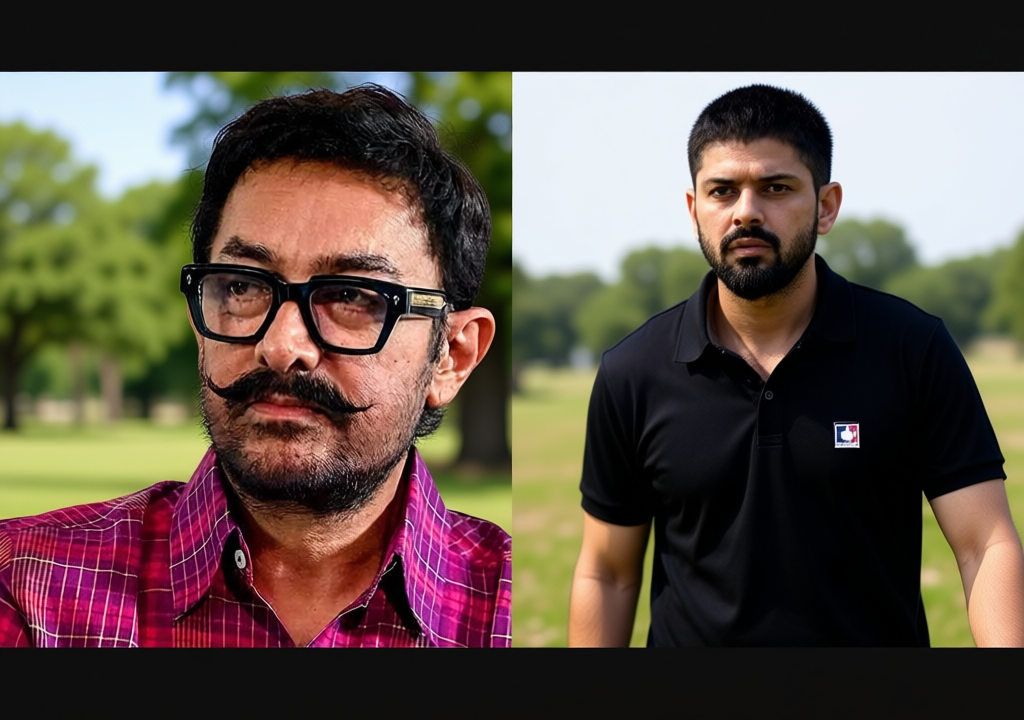
Indiadailyupdate.com – Love jihad, a term often used to describe the alleged practice of Muslim men converting Hindu women to Islam through marriage, has sparked significant debate in India. Actor Aamir Khan, a prominent figure in Bollywood, recently became the target of death threats from the Lawrence Bishnoi gang, following his marriage to entrepreneur Gauri Spratt. The gang, known for its radical stance, has accused Khan of promoting this ideology, which they claim threatens traditional societal values. The controversy has intensified with social media posts that directly link Khan’s actions to the concept of love jihad.
The term “love jihad” gained traction in recent years as a political and social movement, often used to criticize interfaith marriages perceived as coercive. Critics argue that such marriages, particularly those between Muslim men and Hindu women, can be seen as a cultural imposition. Aamir Khan, who has long been vocal about social issues, has been accused of using his platform to advocate for these unions, despite his own marriage being a topic of discussion among critics. The gang’s threat underscores the growing polarization around this issue, with some groups viewing it as a threat to national identity.
The Lawrence Bishnoi Gang’s Resurgence
The Lawrence Bishnoi gang, infamous for its brutal attacks and ideological crusade, has intensified its campaign against individuals they deem responsible for undermining Hindu traditions. After previously targeting actor Salman Khan, the group has now shifted its focus to Aamir Khan, reportedly in response to his comments on interfaith relationships. Their message, posted on social media, warned of immediate retaliation, emphasizing that Khan’s influence in society must be curtailed. This incident highlights the gang’s persistence in using violence to enforce their vision of cultural and religious purity.
According to reports, the gang’s declaration included a reference to “Operation Hardball,” an FBI initiative aimed at tracking their activities. Despite the operation, the group claims to remain undeterred, stating that their mission is aligned with protecting “Sanatan Dharma” or ancient Hindu traditions. The threat against Aamir Khan is not isolated; it is part of a broader strategy by the Bishnoi gang to target public figures who they believe are spreading ideas that conflict with their beliefs. This has led to increased scrutiny of the actor’s social media presence and public statements.
“We will not tolerate this man, and he will soon be made to face the consequences. This is against Sanatan Dharma and against the nation,” the gang’s post read, adding further weight to the accusation.
A Historical Context of the Gang’s Actions
The Lawrence Bishnoi gang’s activities are rooted in a history of violence aimed at preserving what they see as traditional Hindu values. Their recent threats against Aamir Khan come after a series of attacks on individuals and groups accused of promoting “love jihad.” One notable incident occurred in Sri Ganganagar, Rajasthan, where a 13-year-old girl was allegedly kidnapped, trafficked, and sexually assaulted by a Muslim man. The gang has used this case to justify their stance, framing it as a symbol of the threat posed by interfaith relationships.
“The administration has done a commendable job, but some political leaders are trying to protect certain accused. This is our first and final warning: anyone who was even one per cent involved in the crime against that innocent girl and manages to escape the law will be punished by us,” the gang’s declaration stated.
The gang’s rhetoric often blends religious and cultural arguments, accusing Khan of using his fame to sway public opinion in favor of “love jihad.” This has led to a surge in online discussions, with some supporters of the actor defending his stance as progressive, while others criticize him for allegedly undermining Hindu customs. The incident also highlights how social media has become a battleground for ideological clashes, amplifying the reach of such threats and polarizing public opinion.
Public Reaction and Broader Implications
Aamir Khan’s marriage to Gauri Spratt has not only drawn attention from the Lawrence Bishnoi gang but has also sparked a nationwide conversation about the role of celebrities in shaping societal norms. While many celebrate the union as a testament to love and individual choice, others argue that it reinforces the concept of love jihad. This debate has extended beyond the actor, with activists, politicians, and social media users weighing in on both sides. The gang’s threat has further fueled the narrative, positioning Khan as a symbol of the cultural shift they seek to reverse.
The controversy also raises questions about the effectiveness of measures like “Operation Hardball” in curbing extremist activities. With the gang’s message gaining traction, there is a growing concern about the potential for targeted violence against public figures. Experts have noted that such threats could influence public perception, making it harder for individuals to engage in interfaith relationships without facing backlash. The situation underscores the need for a nuanced understanding of love jihad, as it is often associated with broader issues of religious conversion and cultural identity.
Connecting the Dots: Love Jihad, Social Media, and Extremism
The use of social media by the Lawrence Bishnoi gang has amplified their message, reaching a wider audience and reinforcing their position. The gang’s post, which accuses Aamir Khan of promoting love jihad, includes vivid imagery and strong language to evoke fear and urgency. This approach has been effective in garnering support from certain segments of the population, who see the actor’s actions as a challenge to Hindu traditions. The threat also serves as a reminder of the gang’s ability to mobilize quickly and assert their influence in the public sphere.
As the debate over love jihad continues, the threat against Aamir Khan highlights the intersection of personal relationships and larger societal conflicts. The gang’s message not only targets the actor but also serves as a warning to others who may engage in similar unions. This incident has reignited discussions about the role of interfaith marriage in India, with proponents arguing that it promotes tolerance and equality, while opponents claim it is a form of cultural assimilation. The Lawrence Bishnoi gang’s actions, therefore, are not just personal attacks but part of a broader ideological struggle.