Indiadailyupdate.com –
CJP Alleges Delhi Police Dragged Sonam Wangchuk From Hunger Strike Site
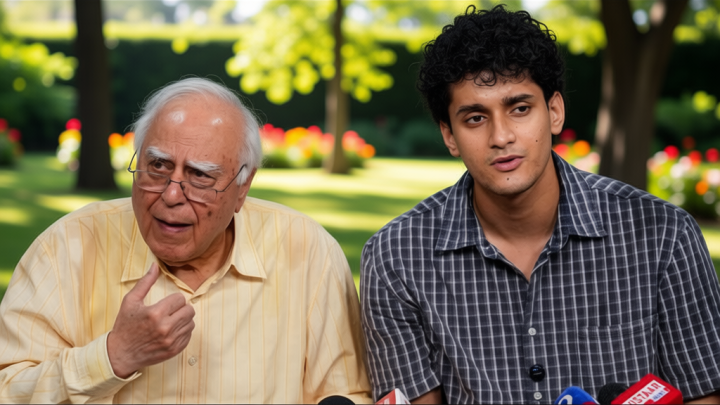
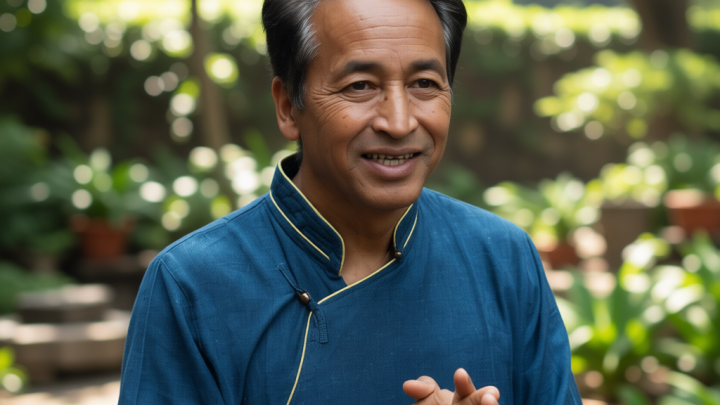
On Saturday, the CJP alleges Sonam Wangchuk was dragged by Delhi Police officers during a hunger strike at Jantar Mantar in Delhi, escalating tensions between the government and activists. Climate advocate Sonam Wangchuk, who had been fasting for 20 days to protest alleged irregularities in the NEET exam, was reportedly taken away from the protest area at 7 a.m. by police, according to Abhijeet Dipke, founder of the Cockroach Janata Party (CJP). Dipke claimed that the officers not only physically removed Wangchuk but also berated him, calling the action a display of “forceful removal” and “state aggression.” The incident has drawn sharp criticism from opposition leaders, who argue that the police acted to suppress dissent and control public narratives.
Context of the Hunger Strike and Police Response
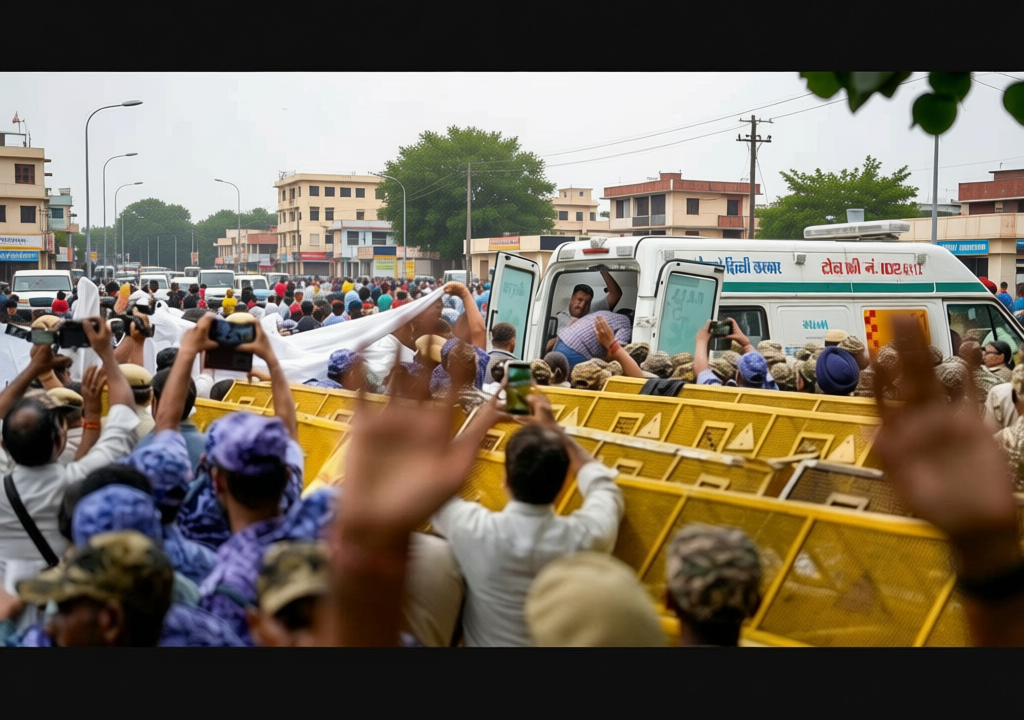
Wangchuk’s hunger strike, which began on July 8, has been a focal point of the ongoing protests against the NEET exam reforms. The activist had vowed to continue the fast until the government addressed concerns over the exam’s transparency and fairness. However, on the morning of July 18, Delhi Police arrived at the protest site to escort him away, sparking outrage among demonstrators. Dipke described the scene as chaotic, with officers using force to detain Wangchuk while his health deteriorated. The protest site, Jantar Mantar, has long been a symbol of public dissent, and the police’s intervention has been seen as a calculated move to disrupt the movement.
According to witnesses and onlookers, the police officers reportedly dragged Wangchuk from the crowd, despite his protests. The CJP alleges Sonam Wangchuk was dragged without prior warning or medical clearance, raising questions about the urgency of the action. Doctors on the scene noted Wangchuk’s weakened state, with his weight dropping to 56.55 kg and blood pressure fluctuating. Despite these concerns, the police proceeded with the removal, leaving many to speculate about the political motivations behind the move.
Opposition Condemns Delhi Police’s Handling of the Situation
Several opposition leaders condemned the Delhi Police’s response, calling it a blatant attempt to silence critics of the government. Aam Aadmi Party (AAP) leader Manish Sisodia accused the police of using “thuggery” to quell protests, stating, “This isn’t politics; it’s cowardice.” He linked the incident to the government’s efforts to address paper leaks in the NEET exam, suggesting that the police were acting as enforcers of a broader strategy to control public discourse. Trinamool Congress (TMC) MP Sagarika Ghose echoed similar sentiments, labeling the action “shocking coercive state violence” and criticizing the Modi administration for its “morally bankrupt” approach to dissent.
Samajwadi Party leader Dimple Yadav argued that the incident represents an “assault on democracy and the Constitution,” emphasizing the need for accountability. She pointed to the activists’ determination to challenge the government’s policies and warned that such actions would only strengthen the resolve of the opposition. Meanwhile, AAP Rajya Sabha MP Sanjay Singh called the police’s behavior “arrogant,” asserting that the youth protesting would eventually “uproot your throne,” a reference to Prime Minister Narendra Modi’s leadership. The outpouring of public support for Wangchuk has further fueled criticism of the police’s handling of the event.
Health Crisis and Medical Response
The day after the incident, Sonam Wangchuk was admitted to a hospital following reports of his critical health condition. Medical professionals at the facility confirmed that he had suffered mild dehydration and low oxygen saturation, with his blood sugar levels also fluctuating. Despite these symptoms, Wangchuk remained mentally alert, expressing his commitment to the cause. His supporters argue that the police’s actions endangered his life, while the government defended the move as necessary to maintain order during the protests.
Doctors and health activists have since called for an independent inquiry into the incident, highlighting the potential risks of prolonged fasting without adequate medical supervision. Wangchuk’s condition has become a symbol of the broader struggle between activists and authorities, with his refusal to break the fast seen as a powerful statement of defiance. The CJP alleges Sonam Wangchuk was dragged not only as a physical act but also as a psychological tactic to undermine the protest’s momentum. This has sparked discussions on the importance of protecting the health of activists and ensuring their right to protest under international human rights standards.
Public and Media Reaction
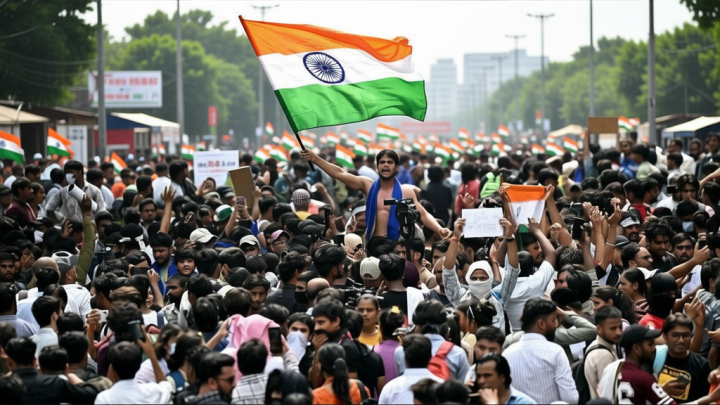
The incident has triggered a wave of public and media outrage, with social media platforms flooded with videos and testimonies from onlookers. Many users condemned the Delhi Police for their “brutal” tactics, using hashtags like #WangchukHungerStrike and #DelhiPoliceViolence to amplify their voices. News outlets have also highlighted the event, drawing comparisons to past instances of police aggression during protests. Analysts suggest that the CJP alleges Sonam Wangchuk was dragged is part of a larger pattern of using force to manage dissent, particularly in politically charged environments.
Meanwhile, supporters of Wangchuk have organized rallies and vigils in his honor, demanding justice for the activist. The incident has also reignited debates about the role of the police in Indian democracy, with some arguing that the force has become an instrument of political control. As the hunger strike continues, the movement remains focused on holding the government accountable for its actions and ensuring that the voices of citizens are not silenced. The CJP alleges Sonam Wangchuk was dragged is now a key reference point in discussions about civil liberties and the rights of protesters in the capital city.