
Should Sonam Wangchuk Be Kept in Safdarjung Hospital? Doctor Questions Potassium Deficiency Claim
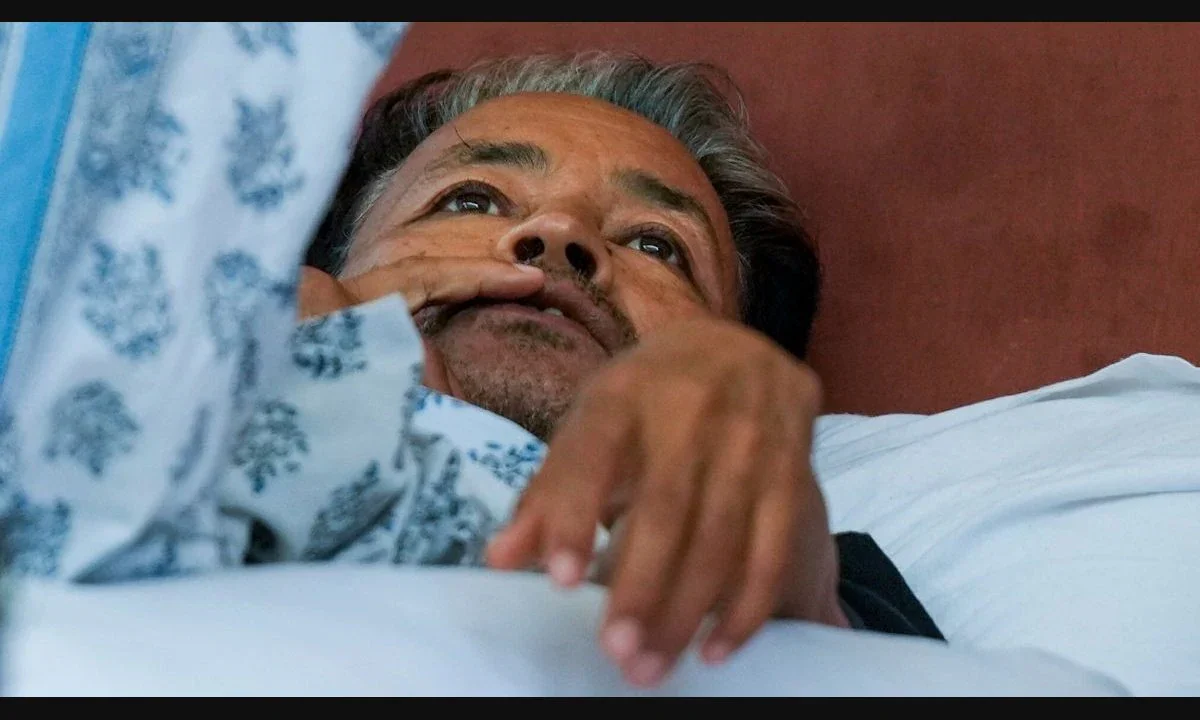
Indiadailyupdate.com – Should Sonam Wangchuk be kept in Safdarjung Hospital? The debate surrounding the activist’s medical condition has intensified after his personal physician, Dr. Nitin Dighe, criticized the hospital’s findings as “suspicious.” Sonam Wangchuk, a prominent educationist and environmental advocate, was admitted to Delhi’s Safdarjung Hospital following a 20-day hunger strike demanding the resignation of Union Education Minister Dharmendra Pradhan. His family and medical team now argue that the hospital’s diagnosis of potassium deficiency is misleading, challenging the rationale for continued treatment at the facility.
Medical Report Sparks Controversy
The hospital’s official report stated that Wangchuk showed signs of dehydration and had compensated acidosis, with reduced serum potassium levels and a blood sugar reading of 78 mg/dl. Urinary ketones, initially at 1+, increased to 3+ by 1:00 PM. These findings were presented as evidence for his need for intravenous fluids to replenish potassium and restore hydration. However, Dr. Dighe, who has been monitoring Wangchuk’s health during the hunger strike, disputes the accuracy of these claims. He argues that the potassium deficiency narrative is being used to justify prolonged hospitalization, even though his own tests showed normal levels.
“My team and I have been closely tracking his condition for 20 days. Until now, his advocates and I were denied access to him, which raised concerns about transparency. I took his blood sample at 3 PM yesterday, and potassium levels were normal at 4.8—well within the standard range of 3.5. They’re now asserting the value has dropped, which seems suspicious,” Dr. Dighe remarked.
Family Alleges Lack of Evidence
Wangchuk’s wife, Gitanjali J. Angmo, echoed the doctor’s skepticism, pointing to the absence of clear evidence supporting the potassium deficiency claim. In a statement to PTI, she expressed distrust in the hospital’s report, noting that the drop in potassium levels was not confirmed through documented tests. “The hospital claims his potassium levels fell from 4.3 to 2.9, but they haven’t provided the evidence to back this up,” she said. This lack of transparency has fueled public skepticism about the medical narrative being presented in the case.
Despite the hospital’s ability to administer intravenous fluids and address dehydration, Wangchuk and his family have refused consent for such treatment. They believe the condition is not as severe as claimed and that the hospital is using the potassium deficiency diagnosis to prolong his stay. Dr. Dighe’s emphasis on sending the blood samples to a reputable facility highlights the family’s confidence in alternative medical assessments. The dispute has drawn attention to the broader implications of medical reports in political contexts, with many questioning the hospital’s motives and the reliability of its findings.
Political Context and Public Reaction
The hunger strike, which began on July 1, 2026, was a significant event in the ongoing protests against the government’s education policies. Wangchuk’s decision to extend his fast to 20 days, citing the need to draw attention to the issue, has been widely covered in media. However, the controversy over his medical condition has shifted the narrative, with critics arguing that the hospital’s report is being used to justify his continued detention. The question of whether he should be kept in Safdarjung Hospital has become a focal point in the debate, as supporters and detractors weigh the medical evidence against the political implications.
Public opinion remains divided. While some see the hospital’s report as a necessary step to ensure his health, others view it as a tool to control the situation. Social media platforms have been abuzz with discussions, with many users calling for independent verification of the medical claims. The family’s refusal to consent to treatment at Safdarjung underscores their belief that the hospital’s findings may not be accurate, further fueling the argument that Wangchuk should not be kept in the facility without more evidence.
Implications for Medical Transparency
The dispute has sparked a larger conversation about medical transparency and the role of government institutions in health-related decisions. Dr. Dighe’s criticism of the hospital’s report highlights concerns that the data may have been manipulated to support a specific narrative. “The hospital’s ability to monitor and document his condition is crucial, but their findings seem inconsistent with the actual data we have,” he stated. This inconsistency raises questions about the validity of the potassium deficiency claim and whether it is being used to justify his continued stay in the hospital.
As the debate continues, the focus remains on whether Sonam Wangchuk should be kept in Safdarjung Hospital. His medical team’s insistence on independent testing and the family’s demand for transparency suggest a growing movement to ensure that his health is not being used as a political pawn. The situation underscores the importance of accurate medical reporting and the need for clear communication between healthcare providers and patients, especially in high-profile cases where the stakes are both personal and political.