21 Killed in Heavy Rain, Landslides Across Nagaland, J&K, Uttarakhand
Monsoon Crisis Intensifies in North India
Indiadailyupdate.com – Heavy monsoon rains and relentless landslides have devastated parts of Nagaland, Jammu and Kashmir (J&K), and Uttarakhand, claiming at least 21 lives in a single day. The India Meteorological Department (IMD) has warned of prolonged heavy rainfall in northern, eastern, and northeastern states, increasing the risk of further disasters. This surge in weather-related incidents has overwhelmed local infrastructure, leaving communities in distress and highlighting the vulnerability of the region to extreme climate events. As the crisis deepens, officials are scrambling to assess the full scale of damage and coordinate relief efforts across the affected states.
The current monsoon season has already set records for rainfall intensity, with some areas receiving over 200% of their average July precipitation. This has led to widespread flooding, blocked roads, and disrupted transportation networks. In particular, the heavy downpours have triggered deadly landslides in hilly regions, burying homes and trapping residents in dangerous conditions. The National Disaster Response Force (NDRF) and state emergency teams are deployed across the three states, but the scale of the crisis has raised concerns about the adequacy of resources and response timelines.
Disaster Zones and Casualty Breakdown
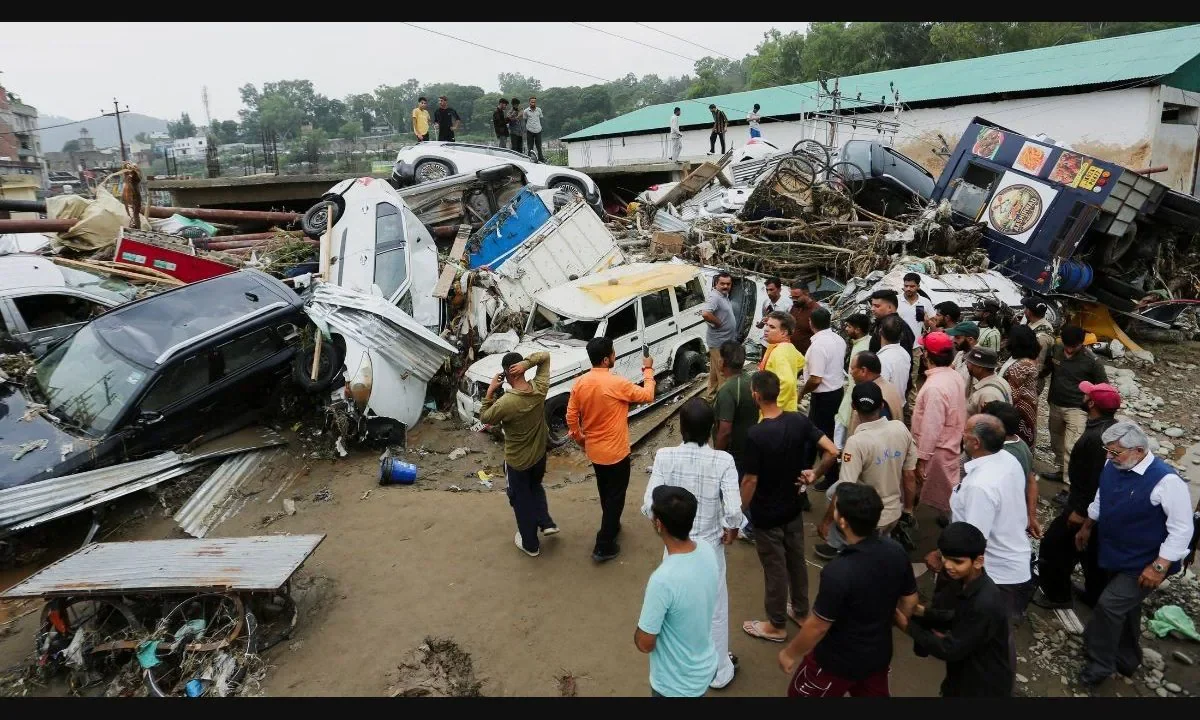
According to official reports, at least 21 individuals lost their lives due to the combined effects of cloudbursts, landslides, and flash floods. The majority of the casualties—18 deaths—were recorded in J&K, where border districts like Rajouri and Poonch were hardest hit. In Nagaland, Mon district saw eight fatalities, while Uttarakhand reported two deaths linked to lightning strikes and flooding. The numbers are expected to rise as rescue teams continue their operations and more bodies are recovered from debris.
Residents in affected areas have described the devastation as catastrophic, with entire villages submerged under floodwaters and debris. In Nagaland, the State Disaster Response Force (SDRF) and Assam Rifles have worked tirelessly to rescue survivors, while the police have been coordinating relief efforts in difficult terrain. Despite the chaos, local leaders have urged calm and emphasized the importance of timely assistance to prevent further loss of life. “The situation is critical, but we are doing everything possible to reach those in need,” said Deputy Commissioner Wennyei Konyak in Mon district.
Meanwhile, in J&K, the Lieutenant Governor, Manoj Sinha, has called for immediate action to provide shelter and supplies to displaced families. The state government has also declared a state of emergency in several districts, enabling faster deployment of resources. However, the challenges of navigating through flooded and landslide-ravaged areas have slowed down rescue operations, prompting calls for additional support from the central government and neighboring states.
Infrastructure Damage and Rescue Operations
The destruction has extended beyond human lives, with roads, bridges, and power lines severely damaged. In Nagaland, several key highways are now impassable, isolating remote communities and hampering aid delivery. Officials have estimated that over 100 homes were washed away, while livestock and crops have also been affected. In J&K, the damage to roads has disrupted both civilian movement and military operations, forcing troops to use alternative routes to reach stranded personnel and civilians.
Uttarakhand’s State Emergency Operation Centre (SEOC) has reported 84 roads—including two national highways—blocked by landslides, with red and orange alerts issued for 10 districts. The disruption has not only caused immediate danger but also impacted the region’s tourism and pilgrimage activities, as major routes to Kedarnath and Kailash-Mansarovar are under threat. Helicopter and horse-mule services on these routes have been suspended due to hazardous conditions, leaving stranded pilgrims without easy access to safety.
Despite the severity of the situation, emergency teams are making progress in locating missing individuals. In Nagaland, local volunteers have joined rescue efforts, using ropes and makeshift ladders to reach people trapped in rubble. In J&K, the rapid response of multi-agency teams has been crucial, though challenges persist in reaching affected areas due to landslides and fallen trees. The IMD continues to monitor the weather, warning that heavy rains are expected to persist for the next week, potentially leading to more casualties and damage.
Community Response and Ongoing Challenges
Local communities have shown remarkable resilience in the face of the disaster, organizing relief camps and assisting in rescue operations. In Nagaland, villagers have used their knowledge of the terrain to guide rescue teams to trapped individuals. “We have been working around the clock, even without proper equipment,” said one resident from Mon district. However, the lack of adequate infrastructure and preparedness in many areas has exposed gaps in disaster management planning.
Authorities have also emphasized the need for improved early warning systems and better coordination between state and central agencies. In J&K, the Chief Minister, Omar Abdullah, returned to the state early after cutting short a Delhi visit, underscoring the urgency of the crisis. “This is not just a local issue; it’s a national tragedy that requires collective action,” he stated. Meanwhile, in Uttarakhand, officials are focusing on restoring communication lines and ensuring that relief supplies reach remote villages in time.
As the search for missing persons continues, the focus remains on preventing secondary disasters, such as mudslides and flash floods, from worsening the situation. The IMD has advised people to stay alert and avoid low-lying areas prone to flooding. With the monsoon season still in full swing, the risk of further casualties remains high, and the affected states are bracing for the challenges ahead. “Every hour counts,” said a relief worker, as teams comb through the wreckage to find survivors.