Suspense Over Amit Shah’s Resignation Talks as Protests Continue
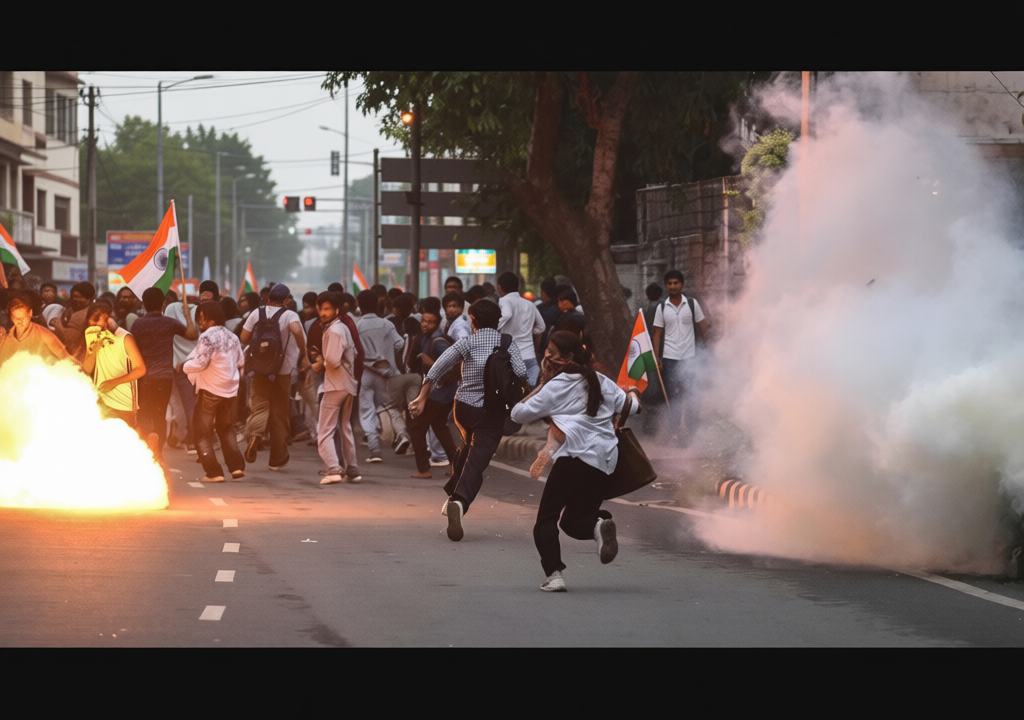
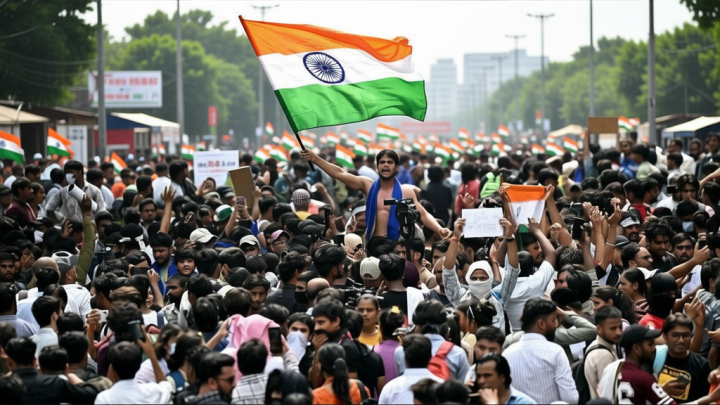
Indiadailyupdate.com – Suspense grows over resignation as Amit Shah, the Home Minister, engaged in a three-hour meeting with Education Minister Dharmendra Pradhan on July 20, 2026, amid widespread protests demanding his removal. The demonstrations, which began on June 6, have intensified in response to allegations of examination misconduct, particularly in the National Eligibility cum Entrance Test (NEET). Thousands of protestors gathered outside the Parliament House, chanting slogans and holding banners that called for accountability and reform. Despite the extended dialogue, no definitive resolution has emerged, leaving the political landscape in Delhi tense and uncertain.
Roots of the Protest and Key Demands
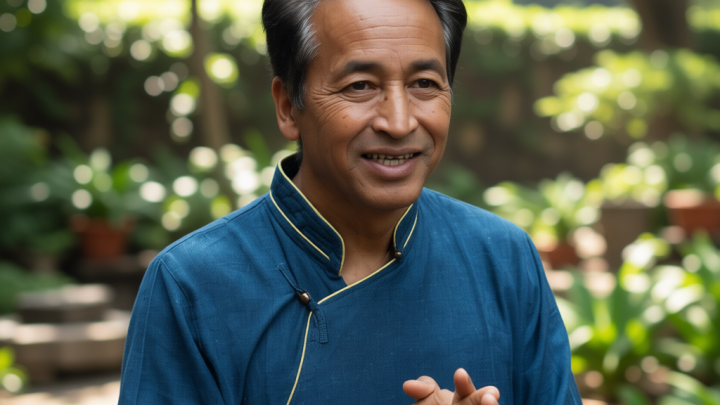
The protests, led by the Cockroach Janta Party (CJP), trace their origins to a series of controversies surrounding NEET exams, which have sparked outrage among students and parents. Founded by Abhijeet Dipke, the CJP has positioned Pradhan’s resignation as a central demand, arguing that his leadership has failed to address systemic issues in the education system. The movement has gained momentum since June 6, when allegations of irregularities in the examination process were first publicly aired. Protesters also seek the release of Wangchuk, a prominent activist who had been hospitalized during the demonstrations, and compensation for NEET aspirants who reportedly died by suicide due to stress and disillusionment with the exam system.
Government Engagement and Partial Relief
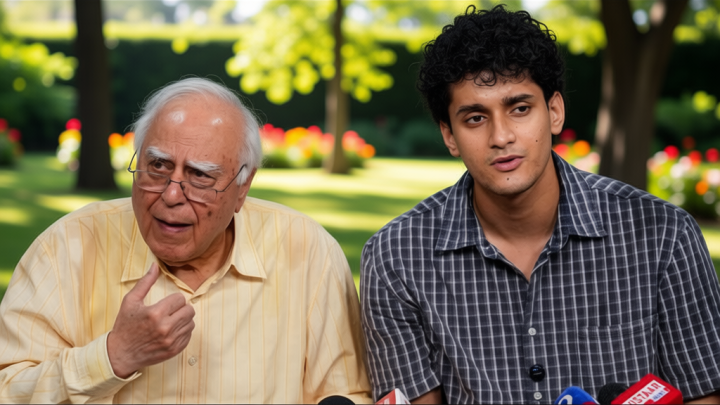
On July 18, Union Minister J.P. Nadda joined the protestors in a gesture of goodwill, which helped ease tensions and led to Wangchuk ending his 23-day hunger strike. Dipke, who had initiated his own fast following Wangchuk’s hospitalization, also concluded his protest after a detailed discussion with Nadda. During the meeting, the protesters submitted a written petition outlining their grievances, and Nadda encouraged them to continue engaging with the government while considering a temporary suspension of their sit-in. However, the resolution remains incomplete, as the core issues—such as alleged malpractice in NEET—continue to divide public opinion and fuel unrest.
“This morning, for the first time, a proposal came from the protesters to hold talks with the government, and our discussions have been ongoing since 11:50 AM. The meeting took place in a cordial atmosphere. An initial verbal discussion was held in detail with their delegation, and they submitted a written petition to me around 4 PM,” Nadda stated.
Amit Shah’s Role and Unresolved Concerns
Amit Shah’s three-hour meeting with Pradhan on July 20 was seen as a critical opportunity to address the mounting pressure. The Home Minister, known for his strong stance on governance and discipline, has been a focal point of the protests, with demonstrators arguing that his influence over the Education Ministry has exacerbated the situation. While the meeting reportedly covered a range of topics, including the need for transparency in exam conduct and the role of the Delhi Police in managing protests, it remains unclear whether these discussions have alleviated the public’s concerns. Critics suggest that the meeting’s length may indicate a lack of immediate consensus, while supporters view it as a sign of the government’s commitment to dialogue.
Public Sentiment and Political Implications
The protests have sparked a polarized debate across India, with students, parents, and educators divided on the merits of Pradhan’s resignation. Social media platforms have amplified the movement, with hashtags like #NEETReform and #ResignPradhan trending in the days leading up to the meeting. Meanwhile, political analysts note that the crisis could have significant implications for the ruling party’s stability, particularly if it fails to address the protesters’ demands. The CJP’s call for Pradhan’s removal has also drawn attention to broader issues of bureaucratic accountability and the need for systemic reforms in education policy.
Context and Historical Precedents
The current unrest is part of a larger pattern of student-led protests in India, many of which have targeted government officials for perceived negligence. Earlier in the year, similar demonstrations had led to the resignation of several ministers, highlighting the growing power of grassroots movements in shaping political outcomes. The NEET controversy, however, is unique in its scale and the emotional weight it carries, as it directly impacts the aspirations of millions of students. The protests have also drawn support from various civil society organizations, which have criticized the government’s handling of the situation and called for an independent inquiry into the alleged misconduct.
With the meeting between Shah and Pradhan drawing to a close, the focus now shifts to the next steps in the political process. While the government has made some concessions, such as Wangchuk’s release, the broader demands for resignation and reform remain unmet. As the protests continue, the situation underscores the challenges of balancing administrative efficiency with public accountability. The outcome of this crisis will likely depend on the government’s ability to address the underlying concerns of the education sector and restore confidence in its institutions. For now, suspense lingers, and the path forward remains uncertain.