Abhijeet Dipke Detained as Police Use Tear Gas During CJP Protest at Parliament
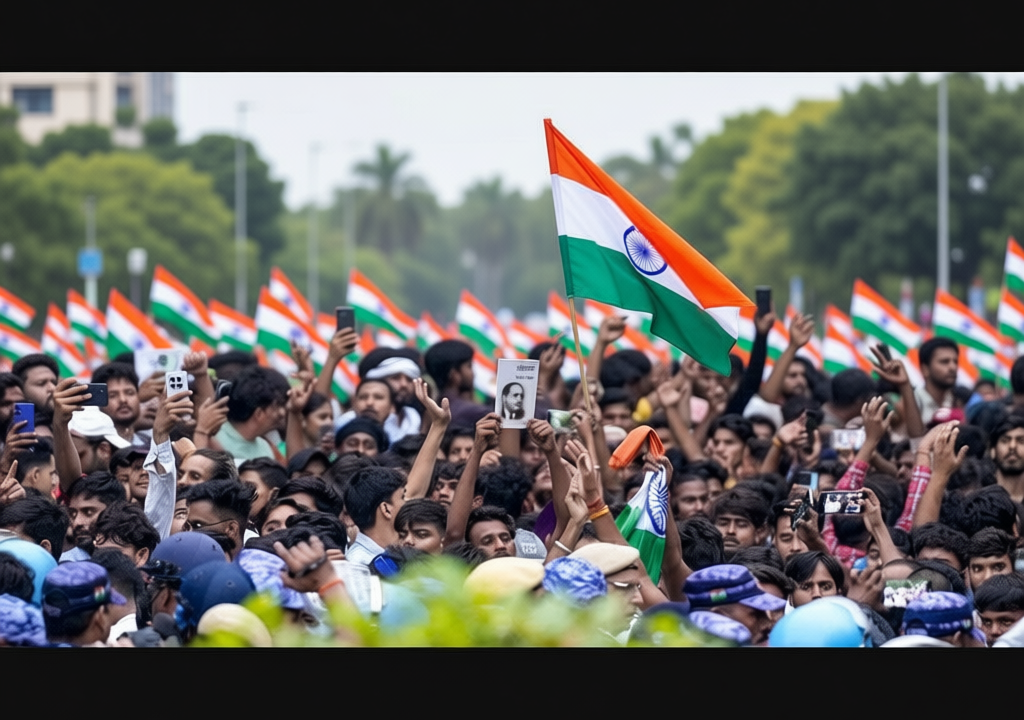
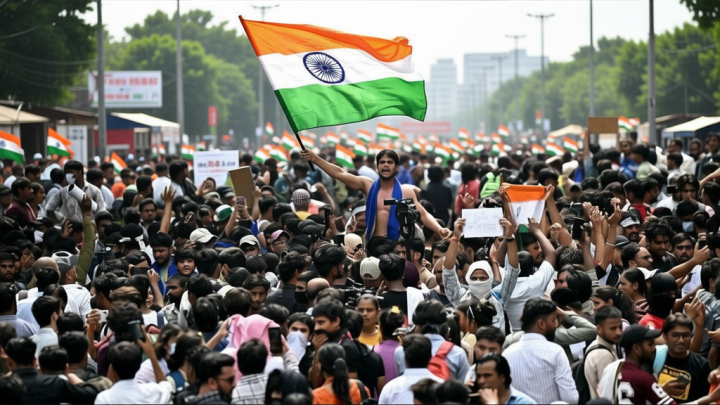
Indiadailyupdate.com – On July 20, 2026, a significant moment unfolded in Delhi as Abhijeet Dipke, a prominent figure of the Cockroach Janata Party (CJP), was detained by security forces during a protest that led to the use of tear gas and lathi charges. The demonstration, organized by CJP supporters, targeted the Union Education Minister, Dharmendra Pradhan, over allegations of discrepancies in the NEET-UG exam system. Thousands of protesters marched toward the Parliament complex, bypassing police checkpoints and creating a tense atmosphere in the city’s heart. As the crowd grew larger, the police escalated their measures, deploying tear gas and lathi charges to control the situation, resulting in a chaotic yet determined display of public dissent.
The Clash at the Core of the Protest
The protest reached its peak near the Reserve Bank of India and the Parliament building, where the crowd encountered heavy barricading and security barriers. According to eyewitness accounts, Abhijeet Dipke was among the first to be arrested as he attempted to lead a group past the gates. The police responded with force, using tear gas to disperse the protesters and lathi charges to push them back. This escalation drew immediate criticism from onlookers and activists, who argued that the security forces were acting aggressively to suppress the gathering. Despite the crackdown, demonstrators continued to rally, showing solidarity with their leader and demanding accountability from the government.
“We were marching peacefully, but the police used tear gas and lathi charges without warning. They tried to stop us multiple times, but we stood our ground,” said a CJP supporter, quoted by a local news outlet. “Abhijeet Dipke detained police use tear gas” became a rallying cry as protesters highlighted the forceful tactics employed by authorities. The use of tear gas, a common method in crowd control, was met with mixed reactions—some viewed it as necessary, while others condemned it as excessive, especially given the peaceful nature of the initial march.
Context of the CJP’s Demands
The Cockroach Janata Party (CJP), known for its focus on student welfare and educational reforms, had been organizing demonstrations for weeks to address concerns over the NEET-UG exam’s perceived unfairness. Protesters argued that the exam’s structure favored certain groups, marginalizing others and creating disparities in access to higher education. Abhijeet Dipke, the party’s founder, had become a central figure in these efforts, using social media and public speeches to galvanize support. The decision to take the protest to the Parliament complex was a strategic move to bring attention to their cause and pressure policymakers for immediate action.
As the protest unfolded, the streets near the Parliament complex turned into a battleground between students and security forces. The police’s use of tear gas and lathi charges was not only a response to the crowd’s advance but also a reflection of the growing tensions between the government and protest groups. Many participants described the incident as a turning point, with the forceful dispersal of the crowd highlighting the government’s resolve to maintain order. The event sparked debates about the balance between public safety and the right to peaceful assembly, drawing national attention to the CJP’s grievances.
Reactions and the Road Ahead
Following the arrest of Abhijeet Dipke, the CJP and its supporters called for a meeting with lawmakers to discuss the NEET-UG exam reforms. The protest’s climax near the Parliament building underscored the urgency of the issue, with students demanding transparency and fairness in the examination process. Despite the police’s efforts to contain the situation, the demonstration left a lasting impression, with many participants vowing to continue their campaign. The use of tear gas and lathi charges, while effective in dispersing the crowd, also raised questions about the proportionality of the response.
News of Dipke’s detention and the police’s actions spread rapidly across social media platforms, amplifying the protest’s visibility. Analysts noted that the incident could either strengthen the CJP’s position or lead to public backlash against the government’s handling of the demonstration. As the dust settled, the focus remained on the NEET-UG exam, with calls for an independent inquiry into the allegations. The event marked a critical moment in the ongoing discourse about education policy and the role of student activism in shaping national discourse.