Protests in solidarity with Sonam Wangchuk continue to spread across India
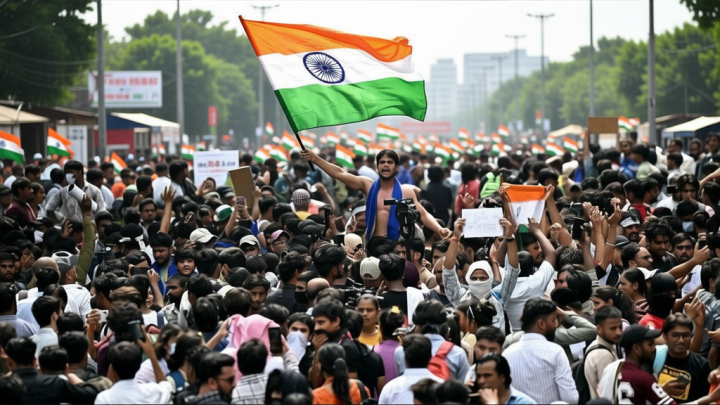
Indiadailyupdate.com – Protests in solidarity with Sonam Wangchuk have gained momentum, reflecting a nationwide outpouring of support for the climate activist’s hunger strike. This movement, sparked by Wangchuk’s defiance, has brought together citizens from diverse backgrounds to advocate for environmental justice and democratic accountability. As demonstrations unfold in cities across the country, the message of unity and collective action grows stronger, signaling a significant shift in public engagement with grassroots initiatives.
Geographical Reach and Participation
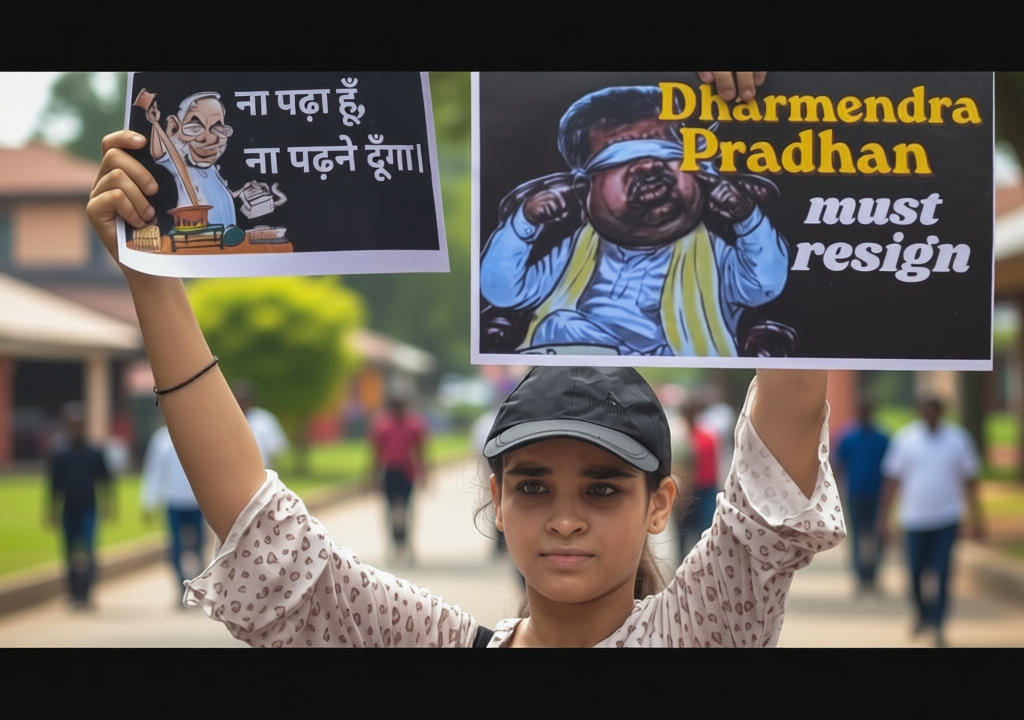
The protests have extended to multiple cities, with residents and activists from Nagpur, Mumbai, Pune, Raipur, Kochi, Thrissur, Bengaluru, Hyderabad, Kolkata, and Chennai joining the cause. Each location has adapted the movement to its unique context, demonstrating the widespread appeal of Wangchuk’s message. For instance, in Nagpur, a gathering at Samvidhan Square emphasized the importance of public involvement in policy decisions, while Raipur saw student-led rallies focused on environmental protection and governmental transparency.
Meanwhile, in Bengaluru and Hyderabad, participants have organized both peaceful protests and symbolic vigils, including 24-hour fasts to mirror Wangchuk’s endurance. These efforts, though varying in format, highlight a shared commitment to the movement. The protests have also attracted diverse groups, from local youth collectives to community leaders, underscoring the multifaceted nature of the solidarity campaign.
Key Events and Organizational Dynamics
Notable events have unfolded in Kerala, where activists in Kochi and Thrissur have shown remarkable dedication to the cause. In Kochi, a gathering at the Mahatma Gandhi Peace Foundation brought together individuals from various walks of life to voice their support. Organizers linked their efforts to the broader movement at Jantar Mantar, creating a sense of interconnectedness among different regions. “When Sonam Wangchuk was forcibly removed from Jantar Mantar, we started discussing how we could also show our solidarity,” said Nisha Chandran, an organizer from Kochi. “This is a peaceful gathering in support of the students and for our nation. We are not aligned with any political party; we are simply standing in solidarity with the events taking place.”
Similarly, in Thrissur, participants rallied to express their unity with Wangchuk’s demands. The involvement of figures like director Jeo Baby and content creator Aleena Sabu has further amplified the movement’s visibility, drawing attention to its cultural and social significance. In Kolkata, Jadavpur University students held a campus rally, using it as a platform to educate peers about the movement’s goals and its implications for democratic rights.
Government Response and Public Sentiment
The protests have not only mobilized citizens but also sparked discussions about the government’s response. In New Delhi, tensions escalated as police used lathis to disperse crowds at Jantar Mantar, raising concerns about the level of force applied. Some protesters claimed the action was excessive, while others highlighted the internet disruptions in the area, which they argued limited the right to communicate and assemble freely.
Despite these challenges, the movement has remained resilient, with participants expressing a strong sense of purpose. The grassroots nature of the protests, organized by local groups rather than a single national entity, has allowed the message to resonate deeply with the public. As the demonstrations continue, their impact on public awareness and political discourse is becoming increasingly evident.
Environmental and Social Implications
Wangchuk’s hunger strike has taken on broader significance, linking environmental concerns with democratic ideals. The protests are not just about climate action but also about the right to free expression and public participation in governance. This dual focus has attracted attention from environmental organizations and civil rights advocates, who see the movement as a powerful example of collective activism.
Additionally, the protests have highlighted the role of social media in amplifying the cause. Hashtags and online discussions have helped spread awareness, connecting participants across regions and fostering a sense of shared responsibility. As the movement gains traction, it is likely to inspire further actions and dialogue, reinforcing the importance of public engagement in shaping policy and protecting democratic values.
With the continued expansion of these protests, the nation is witnessing a powerful display of unity and determination. The efforts to support Sonam Wangchuk’s cause have become a symbol of resistance against authoritarian tactics and a call for sustainable change. As more cities join the movement, the demand for transparency and accountability is expected to grow, ensuring that the voice of the people remains at the forefront of the national discourse.