Favouring Corporates: Punjab Farmers Rally Against Proposed India-US Trade Deal
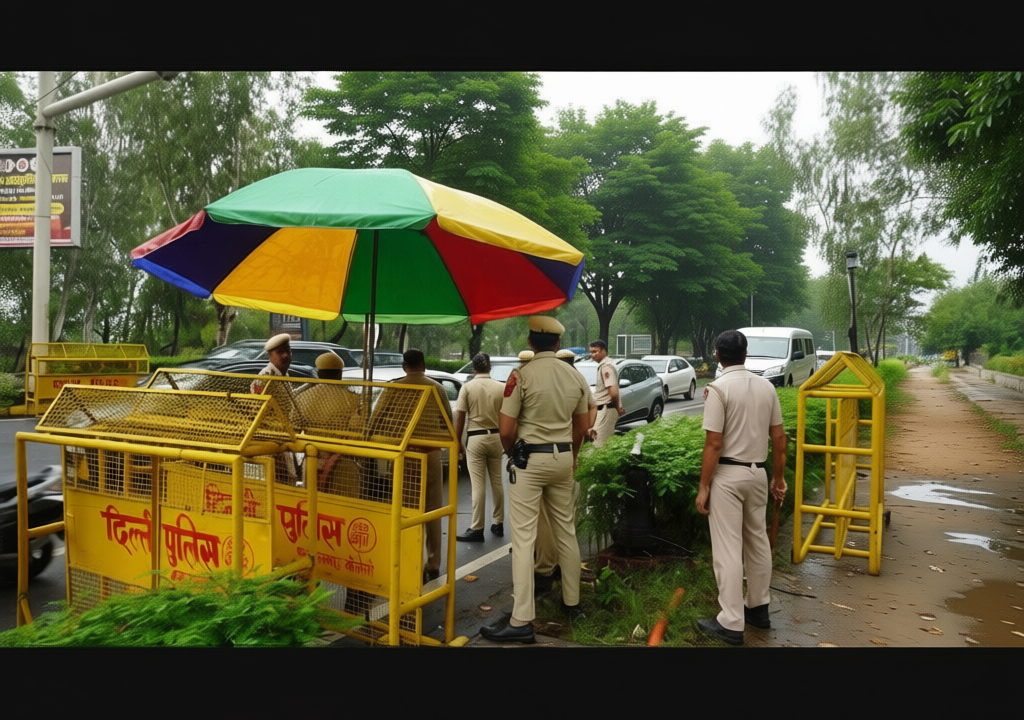
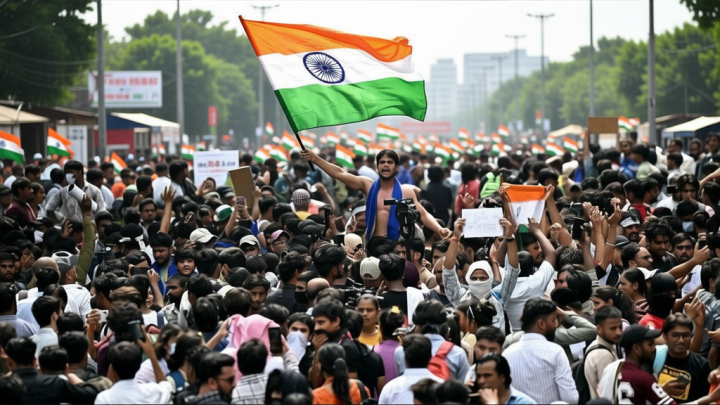
Indiadailyupdate.com – Amid growing concerns over the potential impact on local agriculture, a significant protest has emerged in Punjab, with farmers uniting to oppose the proposed India-US trade deal. The movement, organized by the Desh Bachao Morcha, highlights the belief that the agreement disproportionately favours multinational corporations at the expense of small-scale producers. As tensions rise, thousands of agricultural workers from Punjab, Haryana, Rajasthan, and Himachal Pradesh have gathered at Kisan Ghat in Delhi, demanding a reversal of the deal’s provisions before it is ratified. The protest has drawn widespread attention, with participants expressing fears that the trade pact will undermine their livelihoods and weaken the competitive edge of domestic farming.
The Proposed Trade Deal’s Structure
The India-US trade deal, negotiated to boost bilateral economic ties, includes a range of tariff reductions aimed at facilitating smoother trade between the two nations. Key provisions involve lowering import duties on U.S. agricultural products such as dried distillers’ grains (DDGs) and red sorghum, which are currently subject to high import tariffs of 37% and over 100%, respectively. In exchange, the United States would reduce its tariffs on Indian goods, including agricultural exports, from 25% to 18%. However, the deal’s emphasis on opening markets to foreign products has sparked apprehension, with critics arguing that the shift could destabilize India’s agricultural sector, which is already struggling with challenges like mechanization costs and climate change.
Impact on Domestic Farmers
Protesters from Punjab and other states stress that the trade deal threatens their ability to sustain profitable farming operations. They argue that American agribusinesses receive substantial government subsidies, allowing them to sell goods at lower prices in the Indian market. These subsidized products, they claim, could flood the local market and push small farmers into financial distress. For instance, the influx of U.S. soybean oil and tree nuts might undercut prices for similar Indian products, leaving local producers unable to compete.
“Favouring corporates is not just an economic issue—it’s a threat to our way of life,” stated a farmer at the rally, underscoring the deep concerns about the deal’s implications for rural livelihoods.
The protest also highlights fears that the agreement might lead to increased dependency on foreign imports, reducing the demand for domestically grown crops.
Uncertainty in the Agreement’s Scope
One of the major concerns raised by the protesters is the ambiguity surrounding the deal’s scope. While specific tariff cuts for agricultural products are outlined, the broader implications for sectors like dairy, poultry, and rice remain unclear. Farmers worry that the agreement might extend beyond its stated terms, potentially affecting their entire supply chains. Additionally, the inclusion of provisions related to e-commerce and intellectual property rights has raised alarms about the possibility of large corporations leveraging these policies to dominate smaller businesses. The lack of clarity has left many agricultural stakeholders feeling unprepared for the changes that could follow.
Historical Context of Farmer Resistance
Farmer protests in India are not a new phenomenon, but the current movement against the India-US trade deal has taken on renewed urgency. Historically, Punjab farmers have been vocal about policies that impact their crops, particularly wheat and rice, which are staple foods for millions. The fear of being sidelined by the deal is compounded by previous experiences with trade liberalization, which some argue led to the decline of local agriculture in the state. This new protest is seen as a continuation of the farmers’ fight to protect their interests, with many viewing the agreement as another step in favouring corporates over traditional producers.
Call for Policy Reforms and Dialogue
As the protest gains momentum, demands for policy reforms and greater stakeholder engagement have intensified. Farmers and their allies are urging the government to revisit the agreement, emphasizing the need for a more balanced approach that safeguards domestic agriculture while still fostering trade growth. They advocate for measures such as minimum import tariffs for essential crops, support for small-scale farmers, and stricter regulations on foreign subsidies.
“Favouring corporates must not come at the cost of our food security,” said a local agricultural union representative, calling for a comprehensive review of the deal before its finalization.
The protesters also highlight the importance of transparency in the negotiation process, ensuring that all sectors, especially agriculture, are adequately represented in future policy decisions.