Delhi Police Commissioner Granted NSA Detention Powers Amid CJP s Jantar Mantar
Central Government Authorization for Preventive Detention
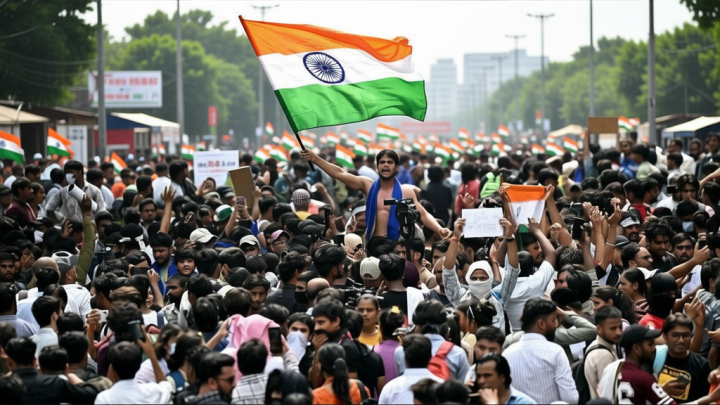
Indiadailyupdate.com – Amid CJP s Jantar Mantar protests, the central government has formally authorized Delhi Police Commissioner Anurag Kumar to exercise preventive detention powers under the National Security Act of 1980. This significant administrative decision arrives as demonstrations continue across the national capital, with particularly strong activity at the historic Jantar Mantar site. Protesters gathered there are demanding the resignation of Union Education Minister Dharmendra Pradhan, citing concerns over examination irregularities.
The National Security Act provides a comprehensive legal framework for preventive detention without trial. Under its provisions, authorities can detain individuals for periods ranging from twelve days to one year, depending on specific circumstances and procedural requirements. The latest authorization extends Commissioner Kumar’s detention powers for a three-month period, beginning July 19 and concluding on October 18, 2026.
According to official documentation dated July 15, 2026, and published in the Delhi Gazette on Wednesday, the directive invokes specific sections of the NSA. The notification states:
“Exercising powers under Section 3(3) read with Section 2(e) of the NSA, the Delhi L-G has directed that during the specified period, the Commissioner of Police, Delhi, may also exercise the powers of a detaining authority under Section 3(2) of the Act.”
Legal Framework and Implementation
The expanded authority granted to Delhi Police Commissioner Anurag Kumar represents a substantial enhancement in law enforcement capabilities during the current protest period. Under these provisions, the Commissioner can now issue preventive detention orders targeting individuals whose activities are deemed detrimental to national security interests. This development has generated considerable discussion among legal experts and civil rights advocates regarding the balance between public order and individual freedoms.
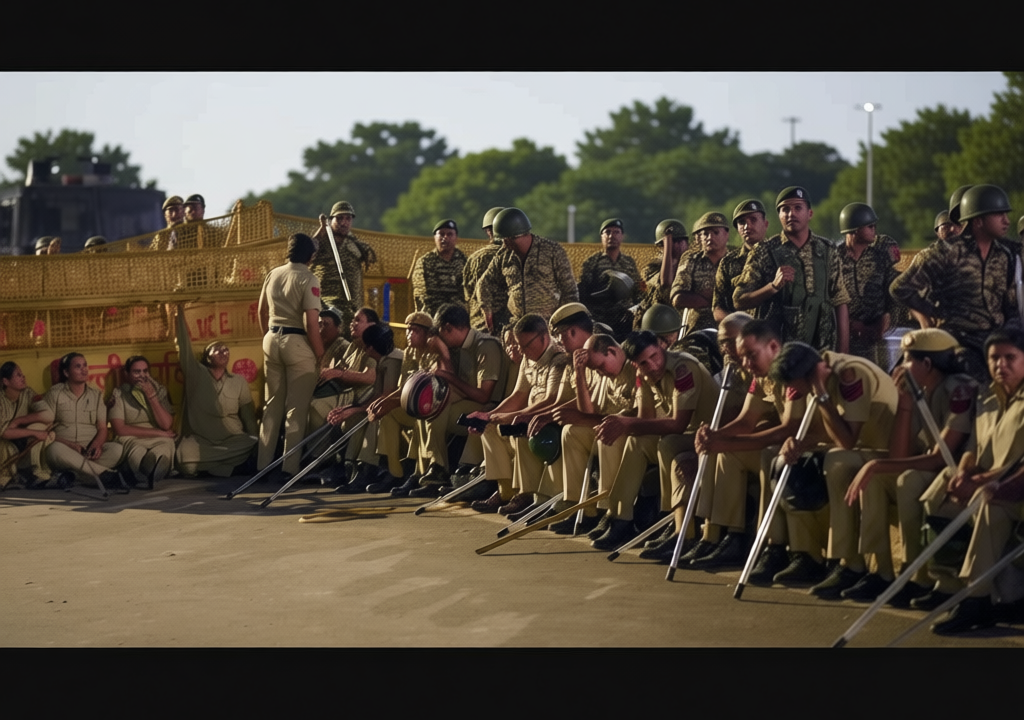
The timing of this authorization coincides with escalating tensions between protesters and law enforcement agencies. Since July 20, when authorities intervened in a “Sansad Chalo” procession using batons and tear gas, hundreds of students have maintained a continuous presence at Jantar Mantar. The confrontation during that incident resulted in injuries to multiple protesters and police personnel, further intensifying the situation.
Protest Demands and Student Movement
The Central Jantar Mantar protests have coalesced around several key demands from student communities across India. Primary among these is the call for Dharmendra Pradhan’s resignation, linked to alleged irregularities in the NEET examination and other competitive entrance assessments. Students argue that these examination flaws have disproportionately affected candidates from various socioeconomic backgrounds.
Additionally, demonstrators are demanding the immediate release of activist Sonam Wangchuk, who commenced an indefinite hunger strike on June 28 to support their cause. The protesters have also requested compensation of Rs 1 crore for families of NEET candidates who reportedly took their own lives following examination-related stress and controversies. These demands reflect broader concerns about educational equity and accountability in India’s examination system.
The NSA detention powers, now extended to the Delhi Police Commissioner, may significantly impact how authorities manage the ongoing demonstrations. Legal observers note that while preventive detention serves as a tool for maintaining public order, its application during large-scale protests requires careful consideration of constitutional rights and proportionality principles.