From Ladakh to Delhi: The unwavering stand of Sonam Wangchuk and Gitanjali Angmo
A Cause Rooted in Education
Indiadailyupdate.com – What began as a demand for constitutional protections for Ladakh has transformed into a movement centered on education—a cause that resonates deeply with both Sonam Wangchuk and Gitanjali J. Angmo. The couple, who met at an education conclave before establishing their own institute, view this current demonstration as more than just a protest. It represents an interruption of the life’s work they have dedicated themselves to.
The Himalayan Institute of Alternatives, which they co-founded in 2018, operates on principles that reject conventional learning models. Instead, it embraces an experiential and transdisciplinary methodology. The campus itself defies traditional architectural expectations, mirroring the institute’s unconventional philosophy.
From Jail to the Streets
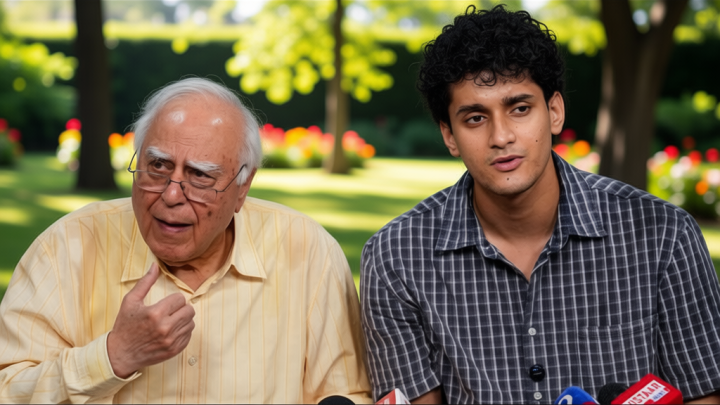
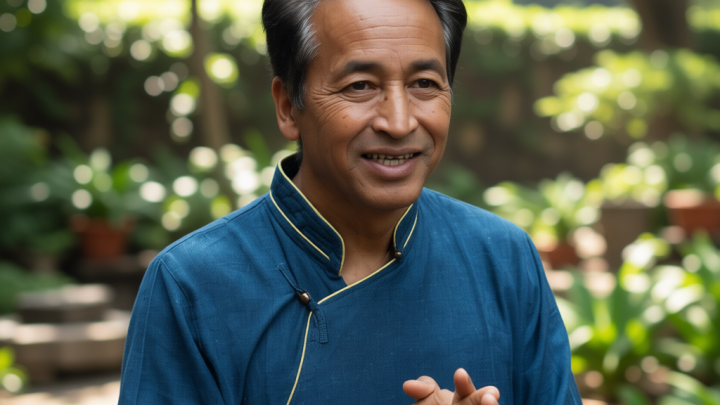
When THE WEEK spoke with the couple, Wangchuk had recently emerged from Jodhpur Jail after spending six months detained under the National Security Act. During his incarceration, Angmo stepped into the public eye, becoming the face of his movement while he remained behind bars. Wangchuk has referred to her as his “best-kept secret”—a recognition of the woman who consistently worked behind the scenes.
Despite enduring days of fasting in sub-zero Ladakh temperatures, months of imprisonment, and being labeled both an “anti-national” and a “Chinese agent,” Wangchuk remained remarkably composed. He smiled readily and took moments to consider each question before responding. The accusations against him had not altered his primary mission: holding the government accountable for unfulfilled promises.
The Hunger Strike and Police Action
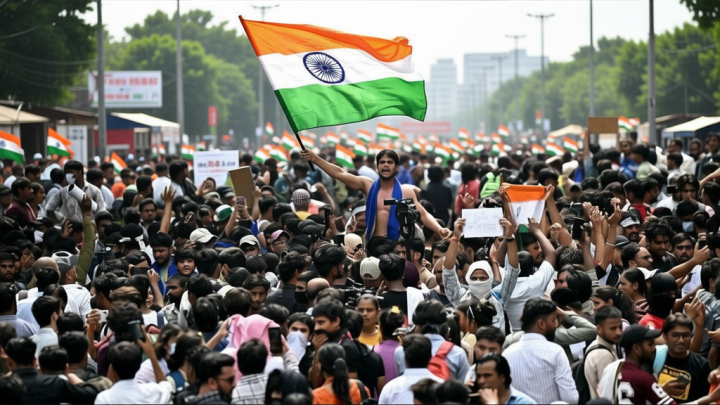
The protest, organized by the Cockroach Janta Party, called for Union Education Minister Dharmendra Pradhan to resign following allegations of a NEET examination paper leak and subsequent student suicides. Wangchuk initiated an indefinite hunger strike on June 28, bringing wider attention to the cause.
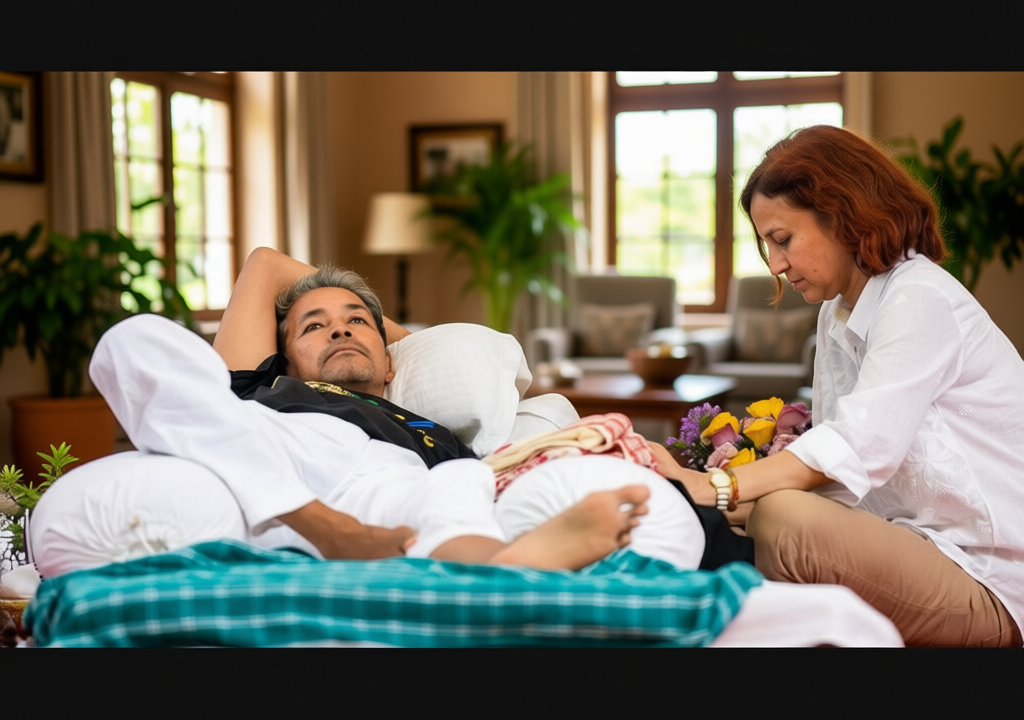
However, the demonstration truly captured public attention after a surprise Delhi Police operation on July 18. On the 21st day of his fast, Wangchuk was forcibly transported to Safdarjung Hospital. The Sansad Chalo March had taken place two days earlier, on July 20.
“The way Sonam was brought in, it was the police, not hospital staff, and they kept him in ICU, which was not needed,” Angmo explained to reporters. “In fact, hospitalisation was not needed. They did it because the rule is that no one can take electronic devices. It was a detention so that he can’t contact anyone.”
On July 21, the Delhi High Court permitted Wangchuk’s transfer from the government-run Safdarjung Hospital to the private Medanta facility.
Scrutiny and Organic Connection
The couple has faced considerable examination regarding their involvement. Questions have arisen about Wangchuk’s reasons for joining the movement and Angmo’s statement made the day before the Parliament march—that he would conclude his fast if political leaders visited him at the hospital and committed to raising education accountability during the parliamentary session.
Angmo characterized her husband’s decision to participate as “organic.” She noted that he feels a genuine passion for education and maintains a strong connection with the youth’s growing discontent.
A Legacy of Innovation
Wangchuk’s educational journey stretches back to 1988, when he established the Students’ Educational and Cultural Movement of Ladakh to assist students who had failed their board examinations. His work reportedly inspired the 2009 Bollywood film 3 Idiots, though actor Aamir Khan, who portrayed the Ladakhi innovator Phunsukh Wangdu, has denied that the character was directly based on Wangchuk.
The movie, which earned more than ₹390 crore at the box office, significantly boosted Ladakh’s tourism profile. Following Wangchuk’s arrest, actor Omi Vaidya, who played the character Chatur, expressed his sentiment: “I don’t want Phunsukh Wangdu to die.”
Regardless of whether Wangchuk is identical to the cinematic Wangdu, the educator received the prestigious Ramon Magsaysay Award for his innovative, community-driven educational reforms in Ladakh.
The Fast Continues
As protesters marching toward Parliament encountered lathi-charges and tear gas, Wangchuk declared his determination to continue his fast. He cited the harsh treatment of peaceful young demonstrators as his motivation.
“Seeing the brutality with which peacefully protesting youth are being dealt with, I have decided to continue my fast until the youth leaders are allowed to meet the parliamentarians at the Sansad Bhawan or I am allowed to meet them here at the hospital.”
Angmo expressed her disappointment that such a significant demonstration had become necessary in India on an issue as vital as education—one that shapes the future of the nation’s youth.