How 3 meetings between Centre and CJP Transformed Political Dynamics
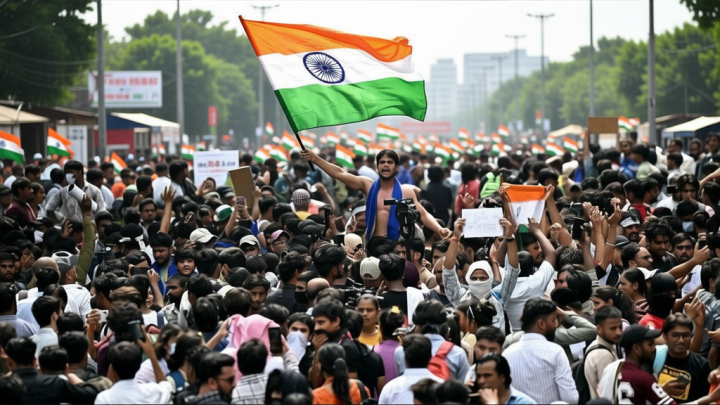
Indiadailyupdate.com – How 3 meetings between Centre and CJP representatives fundamentally altered the political landscape in just five days, according to astute observers of body language and seating arrangements. The Cockroach Janta Party (CJP), backed by enormous student enthusiasm, achieved what traditional opposition parties failed to accomplish: compelling the government to respond to persistent public pressure. The transformation in power dynamics became evident through the sequence of three meetings between the Centre and the CJP delegation, each revealing subtle but significant shifts in negotiation posture.
First Meeting: Establishing the Foundation
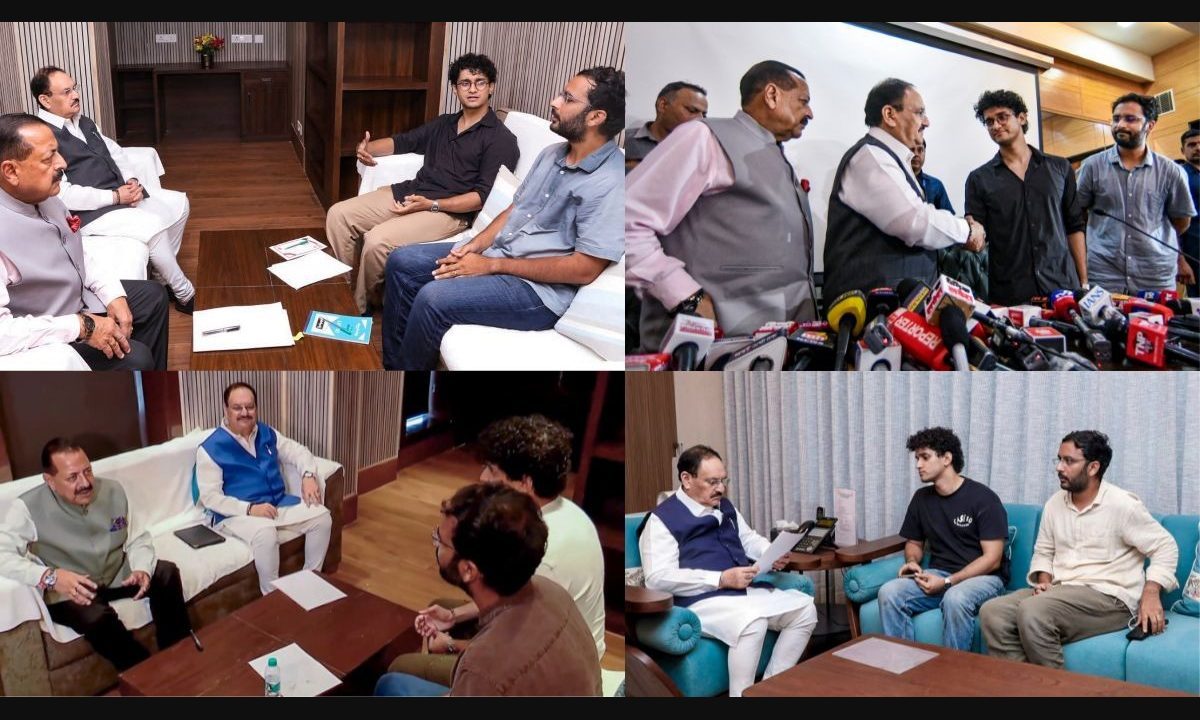
The initial meeting on July 20 took place at the residence of senior BJP leader and Union Minister J.P. Nadda. During this encounter, CJP spokespersons Saurav Das and Ashutosh Ranka occupied positions side by side on a three-seater sofa, while Nadda settled comfortably on a single-seater chair as he reviewed the written memorandum presented by the protesters. The delegation’s demands were comprehensive, encompassing Dharmendra Pradhan’s resignation, the release of Sonam Wangchuk who had been on a hunger strike and forcibly hospitalized, and ₹1 crore compensation for families of NEET aspirants who lost their lives to suicide.
Nadda provided assurances that the government would deliberate on their demands while encouraging the protesters to conclude their agitation. He further guaranteed that no future police crackdowns would occur against demonstrators. This first meeting set the tone for subsequent negotiations, establishing a framework for dialogue between the government and the student movement.
Second Meeting: Shifting Venue and Stakes
The second meeting occurred on July 24, following Wangchuk’s decision to end his 26-day hunger strike. For this encounter, the CJP requested a neutral location, resulting in the government arranging the meeting at the prestigious Constitution Club of India. This time, Nadda was joined by MoS PMO Jitendra Singh. While the two Union ministers relaxed on a sofa, CJP’s Das and Ranka sat upright on chairs, their faces displaying visible apprehension about the proceedings.
The delegation presented a revised memorandum that outlined three non-negotiable demands alongside five major pointers for institutional exam reforms. These demands included Pradhan’s resignation, legal immunity for protesters with withdrawal of all FIRs, and the ₹1 crore compensation for families of NEET aspirants who died by suicide. Additionally, the CJP issued a 48-hour ultimatum demanding Pradhan’s removal and threatened widespread nationwide youth protests if their conditions were not met.
Third Meeting: Victory Through Negotiation
The third meeting on July 25 showcased a dramatic reversal in seating arrangements and body language. Both Das and Ranka now occupied the sofa comfortably, positioned opposite Nadda and Singh who sat on chairs. This visual transformation symbolized the shift in power dynamics that had occurred over five days of negotiations.
Das maintained a smile throughout the meeting, while Ranka appeared noticeably more confident than in previous encounters. This positive atmosphere coincided with Dharmendra Pradhan’s announcement of his resignation as Education Minister. Following the meeting, CJP delegates declared they were withdrawing their protest with immediate effect, as the Centre had agreed to all their demands.
“As the government accepted all our demands, we call off our protests with immediate effect. We appeal everyone to go back home peacefully,” Das said during the joint press conference.
During the joint press conference following their meeting on Saturday, ministers Nadda and Singh appeared somewhat tense. At one point, Singh reminded the CJP spokespersons that they should emphasize “with immediate effect” while announcing the end of their protest. Nadda stated that the government would provide “honourable compensation” within established rules to the families of students who committed suicide following the NEET examination controversy.
The visual contrast was striking: Das was seen smiling and confident while Ranka remained calm and assertive. This marked a significant departure from their apprehensive demeanor during the second meeting. The successful conclusion of How 3 meetings between Centre and CJP demonstrated that sustained public pressure, combined with strategic negotiation, could achieve substantial political concessions. The two sides have agreed to convene for a fourth round of talks within four weeks, suggesting that this dialogue may continue to shape educational policy and student rights in India.