Did Dharmendra Pradhan’s Resignation Open New Political Ground for Congress?
Indiadailyupdate.com – Did Dharmendra Pradhan s resignation create a significant political shift within India’s opposition landscape? Following the unexpected departure of Union Education Minister Dharmendra Pradhan, Congress party members have identified a fresh avenue to challenge the ruling Bharatiya Janata Party. The minister’s resignation, which emerged after sustained public pressure from student activists and civil society groups, has led Congress leaders to argue that the current government only responds when citizens take to the streets for extended periods. This development has sparked renewed optimism among opposition ranks about their ability to capitalize on what they perceive as a moment of governmental vulnerability.
Student Movement Celebrates Initial Victory
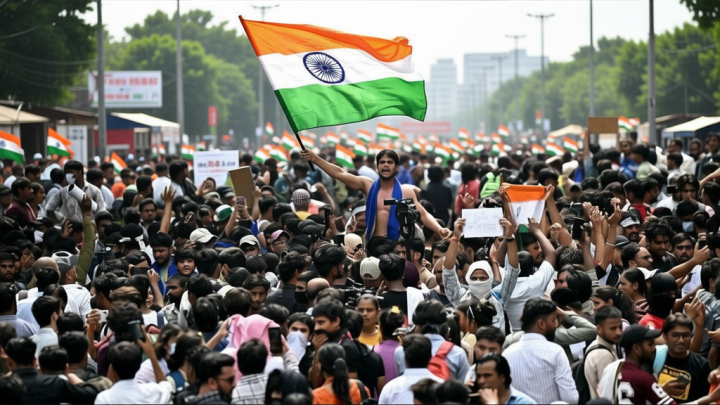
Just two months since its establishment, the Cockroach Janta Party (CJP) has secured what it considers its inaugural triumph in the political arena. The organization had maintained a consistent, uncompromising position regarding Pradhan’s removal from his ministerial position. When word of the resignation spread across the country, demonstrators gathered at Jantar Mantar expressed their joy while emphasizing that their campaign must persist beyond this single victory. The movement’s rapid success has energized young activists who had been organizing for weeks through social media platforms and local community networks.
Many participants viewed the minister’s step as validation that persistent public pressure can compel governmental accountability. Shradda Tamta, a university student present at the demonstration, stressed that the agitation should not conclude despite this achievement. She highlighted multiple concerns requiring attention, including modifications to the education framework and reconsideration of the ethanol-blended fuel initiative. Tamta’s remarks resonated with fellow protesters who had been organizing through WhatsApp groups and local community centers for over a month.
“Our fight is not against any political party or in favour of any political party,” Tamta stated. “We are only demanding our rights. If something is supposed to be done, why doesn’t the government do it on its own? Why do we have to come out on the streets to get it done?”
Opposition Leaders Urge Continued Momentum
Abhijeet Dipke, who established the CJP, spoke to the assembled crowd and cautioned against elevating any single individual above national interests. He reminded attendees not to repeat past errors of placing one person above the Constitution and the nation. Dipke contended that the administration led by Narendra Modi has harmed the country’s progress through various policy decisions that affected ordinary citizens. His speech drew applause from the gathered crowd, many of whom had traveled from different parts of Delhi to participate in the demonstration.
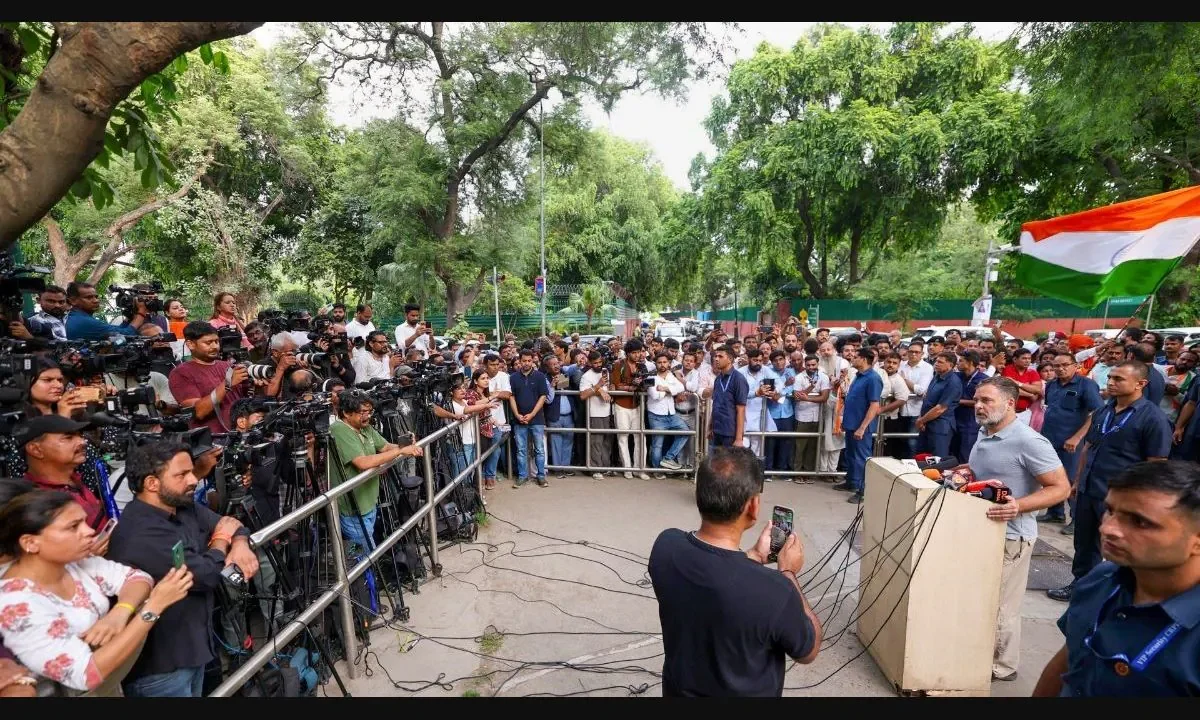
Meanwhile, prominent opposition figures including Rahul Gandhi and Akhilesh Yadav extended congratulations to the student protesters. They characterized the demonstration as having successfully compelled the government to acknowledge constitutional rights of citizens. These political leaders recognized the potential for this movement to gain broader support beyond its student base, particularly among middle-class families concerned about education and fuel policies.
Political Analysts Assess Broader Implications
Political commentator Aditya Rathi described the situation as presenting challenges for the ruling party. He noted that public frustration is increasingly being directed toward government policies through these demonstrations. According to Rathi, if the movement maintains its current trajectory, the BJP administration will face difficulties regardless of whether it accommodates protester demands or resists them. His analysis suggests that the timing of Pradhan’s departure coincides with a period of heightened public scrutiny of government performance.
“This protest is a double-edged sword for the BJP,” Rathi explained. “The protests are increasingly channeling public anger against the government’s policies. If they continue to gather momentum, the BJP-led government will remain on the back foot, whether it accepts the protesters’ demands or chooses to confront them.”
Congress Positions Itself to Benefit
Historically, the BJP had limited opportunities for opposition parties to construct lasting narratives concerning ministerial responsibility. However, Pradhan’s departure has opened new possibilities for Congress to advance its political agenda. Party strategists believe that this moment represents a chance to reframe the political discourse around accountability and governance. The resignation has provided Congress with a concrete example to illustrate what they describe as the government’s reactive approach to public concerns.
A senior Congress representative remarked that the party can now confidently assert that the BJP fails to address problematic ministers without prolonged public demonstrations. The representative suggested that if street protests remain the sole mechanism for holding officials accountable, it indicates insufficient governmental attention to citizen concerns. This narrative aligns with Congress’s broader messaging about democratic participation and the importance of responsive governance in Indian politics.
Congress strategists maintain that the minister’s resignation has weakened the prevailing notion that the BJP enjoys political invincibility, potentially creating favorable conditions for the opposition in upcoming electoral contests. The party plans to leverage this development in both local and national forums to demonstrate its commitment to addressing public grievances through sustained engagement rather than passive acceptance of government decisions.