Indiadailyupdate.com – “`html
A Satirical Youth Movement Forces Government Concession
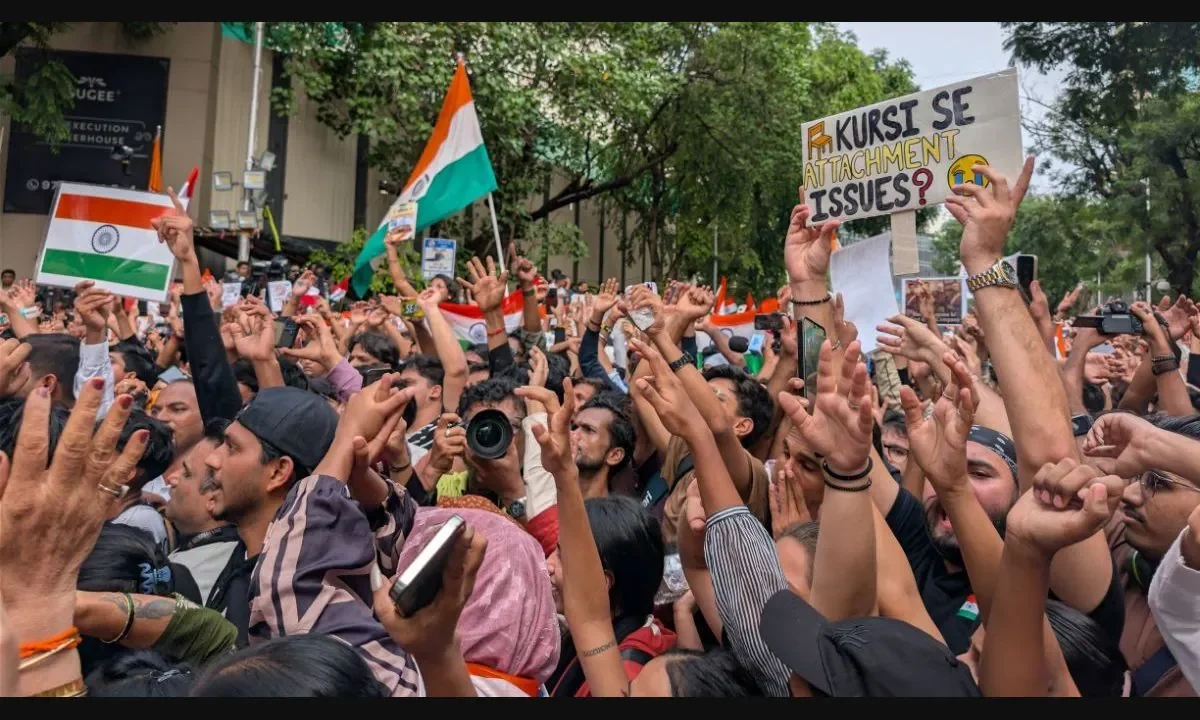
After two months of monitoring how social media platforms were being turned against them, a ruling party that had previously mastered digital communication found itself on unfamiliar ground. Rather than traditional placards bearing protest slogans, the new wave of dissent utilized irreverent memes that captured contemporary Gen Z vocabulary and attitudes. What began as a humorous response to an oral remark by Chief Justice of India Surya Kant quickly evolved into a powerful demonstration of public pressure.
The Cockroach Janata Party’s Rapid Success
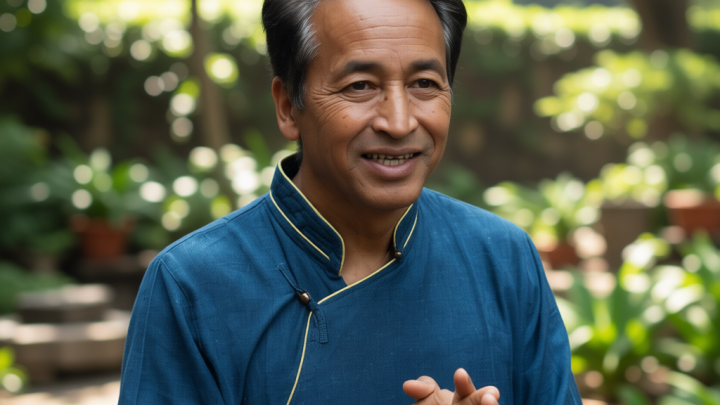
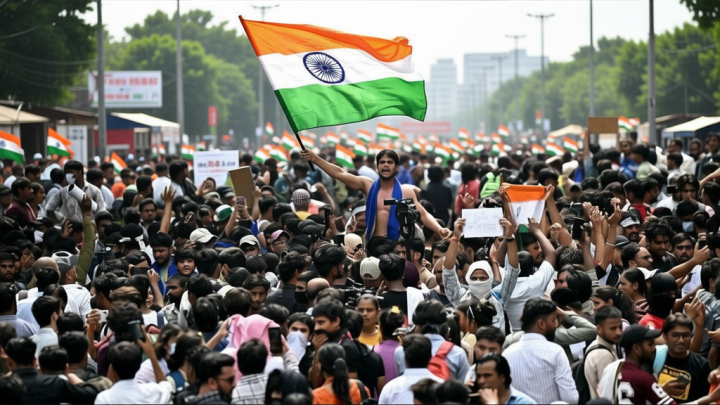
The Cockroach Janata Party, abbreviated as CJP, successfully demanded the resignation of Union Education Minister Dharmendra Pradhan following the NEET examination leak that resulted in twenty aspirants taking their own lives. This emotionally resonant cause gained momentum rapidly. Students responded to the CJP’s call by assembling at Jantar Mantar. The situation received additional attention when activist Sonam Wangchuk initiated a hunger strike on behalf of the students.
The demonstration achieved its objective with surprising speed. Within seven days of a heavily policed march toward Parliament—where authorities employed aggressive tactics that ultimately intensified public anger—Pradhan submitted his resignation. In his letter addressed to the Prime Minister, the minister expressed profound respect for young people’s legitimate aspirations and emotional investment in the matter.
He stated that he wished to prevent tens of thousands of students demanding his departure from being manipulated by anti-national elements, and he did not want learners caught in legal difficulties rather than focusing on their education and professional development.
Escalating Tensions and Political Calculations
Weeks of sit-in demonstrations had gradually weakened the government’s position before events reached a critical point. On July 20, police actions including baton charges, tear gas deployment, and reportedly pellet gun usage against marchers heading to Parliament created unfavorable public relations. Authorities simultaneously restricted internet connectivity and closed seventeen metro stations near the protest area.
The situation appeared particularly problematic because most demonstrators were college-age individuals, many of whom were voting for the first time. Internal party anxiety grew as it became evident that swift resolution was necessary. Former education minister Murli Manohar Joshi, who served under the Vajpayee administration, publicly supported the demonstrators. He characterized their concerns about the examination framework as legitimate and criticized the police response as potentially driving significant portions of society away from the Viksit Bharat vision.
Joshi specifically denounced the heavy-handed approach as merciless, noting particular distress at witnessing young women being treated poorly during the operation.
Strategic Organization and Broader Support
Dipke’s CJP received organizational assistance from various student groups, including Left-wing organizations, which helped structure what had initially been a spontaneous gathering. Having received training through the AAP, Dipke apparently incorporated lessons from that party’s leaders, who had coordinated a comparable demonstration during the 2011 Anna Hazare movement. This experience helped prevent tactical errors and kept messaging focused on core objectives rather than allowing competing interests to dominate the narrative.
Why the Government Yielded
Unlike previous major movements concerning farm legislation or the Citizenship Amendment Act, this demonstration centered not on policy disputes but on public outrage over the examination failure. The protesting students represented a disproportionate share of the party’s middle-class, ambitious voter base—a constituency the BJP had cultivated over ten years and could not afford to lose before upcoming Assembly elections in Uttar Pradesh, Punjab, and Uttarakhand.
Political consequences of maintaining a hard line continued accumulating daily. Congress, under Leader of the Opposition Rahul Gandhi’s leadership, endorsed the student cause. Opposition leaders claimed the minister’s departure as a political triumph. Congress president Mallikarjun Kharge called upon the Prime Minister to apologize to the nation’s youth and implement firm measures against those who deployed lathis and pellet guns.
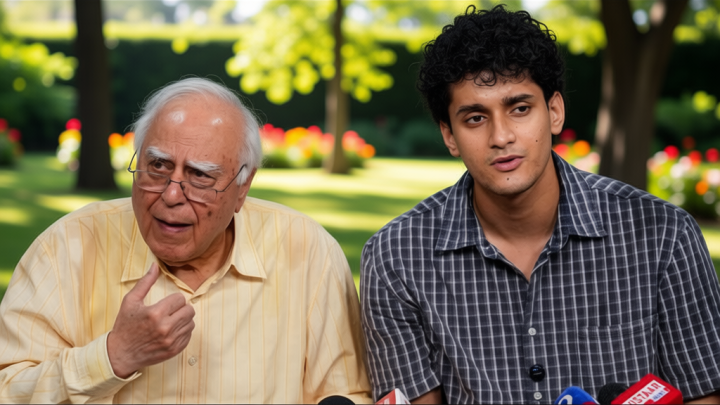
At the demonstration location, participants experienced a sense of vindication. Abhijeet Dipke, the CJP’s founder, addressed enthusiastic crowds, declaring that their efforts had succeeded. During a collaborative press conference, senior cabinet ministers alongside CJP representatives confirmed that the remaining two demands would receive consideration and announced the immediate withdrawal of the protest.
“`