Who Gave Order to Kill Students? Gandhi Demands Answers
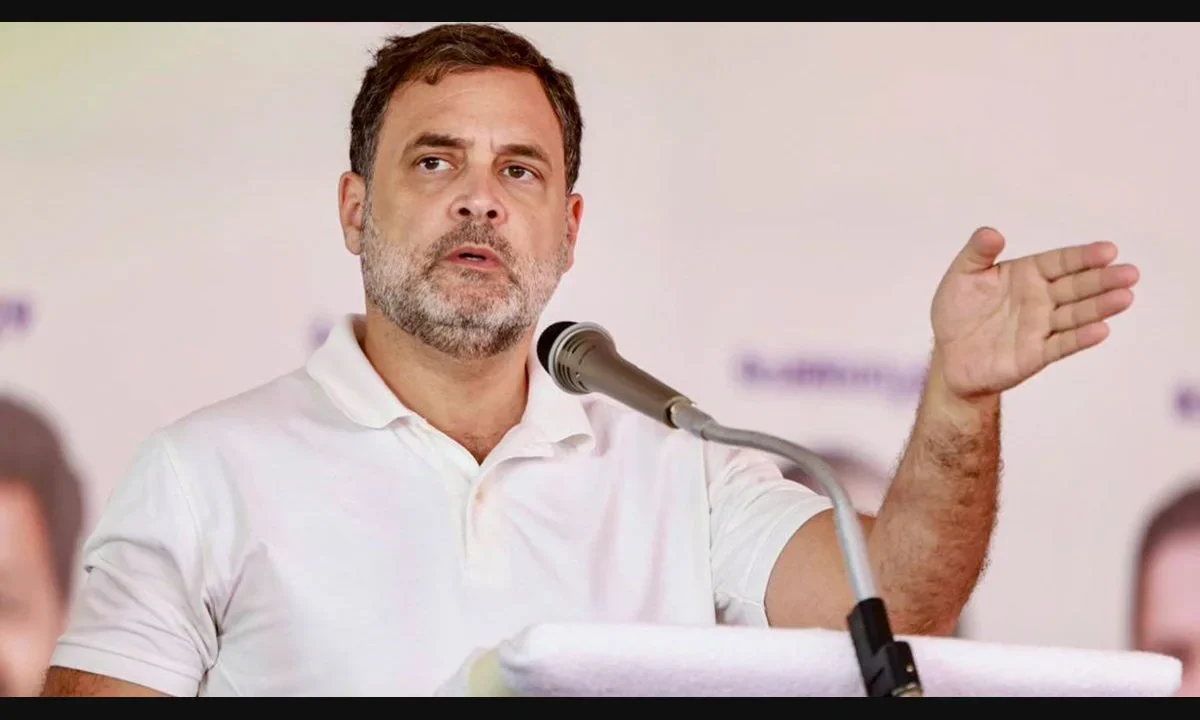
Indiadailyupdate.com – Who gave order to kill students? This critical question has been raised by Congress leader and Lok Sabha Leader of the Opposition Rahul Gandhi in a formal letter addressed to Union Home Minister Amit Shah. The correspondence seeks accountability for what Gandhi characterized as a “barbaric assault” on students during the protest at Jantar Mantar on July 20. In his communication, Gandhi specifically questioned the deployment of pellet guns and other forceful measures by the Delhi Police against demonstrators he described as peaceful. The letter, which Gandhi subsequently shared on the social media platform X, has sparked renewed debate about the use of force against student protesters.
The Letter and Key Demands
Gandhi’s letter outlines several serious allegations regarding the police response to the student demonstration. He claimed that students were peacefully demanding a fair and accountable education system, yet instead of having their voices heard, they were met with what he termed “indiscriminate force.” This force reportedly included pellet guns and tear gas, which caused widespread injuries among the protesters. Gandhi specifically accused police personnel of deliberately assaulting women protesters, with allegations that some women had their private parts targeted during the confrontation.
“Most shocking has been the use of lethal pellet guns. Reports in the media and social media clearly show people who have suffered grave injuries, including a journalist.”
The Congress leader highlighted the case of 19-year-old student Sahil Lochab, whom Gandhi personally met. According to Gandhi, Lochab is currently experiencing severe pain and faces the possibility of losing an eye due to being shot with pellet guns. This specific incident serves as a powerful example of the severity of injuries sustained during the police action. Gandhi used this case to underscore his broader concerns about the proportionality of the force used against students.
Questions About Authority and Accountability
Pointing out that the Delhi Police operates under the jurisdiction of the Union Home Ministry, Gandhi directly questioned whether Amit Shah had personally authorized the use of pellet guns against the students. The letter poses several critical questions: if the Home Minister did not authorize the action, then who did? Gandhi also raised concerns about the identity of individuals in plain clothes who were seen beating students with lathis. He asked whether these individuals were official police personnel or volunteers, and further questioned who had authorized their deployment during the protest.
Gandhi asserted that the right to peaceful protest remains fundamental to democratic governance. He emphasized that it is the government’s responsibility to protect demonstrators and address their grievances through dialogue rather than force. The Congress leader stated that the brutal violence witnessed during the protest has destroyed established norms and outraged citizens across the country. He noted that youth and students, representing the future of the nation, are demanding answers and accountability for what they perceive as excessive force.
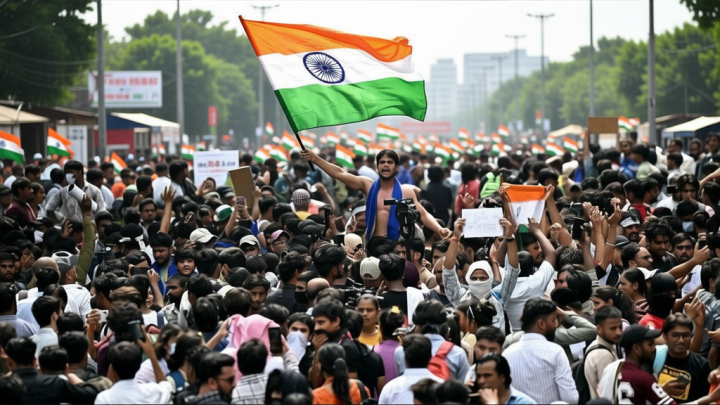
The protests at Jantar Mantar escalated into violence after police intervened to stop a “Sansad Chalo” march. The authorities used batons and tear gas to disperse the demonstrators, resulting in clashes that left several protesters and police personnel injured. Gandhi’s letter adds another layer to the ongoing discussion about student rights and the appropriate response to peaceful demonstrations. His call for accountability comes at a time when the government faces scrutiny over its handling of public protests and the protection of citizens’ fundamental rights.
As the political discourse continues, Gandhi’s questions about who gave the order to kill students remain at the center of public attention. The letter has prompted calls for a thorough investigation into the circumstances surrounding the police action and the decision-making process that led to the use of pellet guns against students.