The Fight for Accountability: CJP and India’s Youth Movement
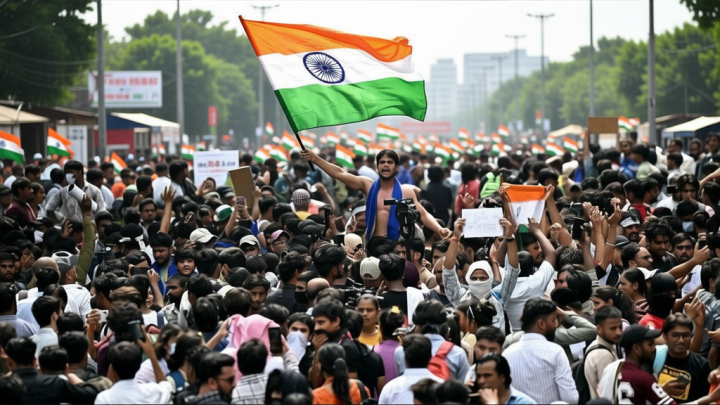
Indiadailyupdate.com – The fight for accountability has taken center stage in Indian politics as Prime Minister Narendra Modi shared a video reel on Instagram addressing a dual-front demonstration that unfolded simultaneously across physical streets and digital platforms. This significant gathering drew primarily from Generation Z participants who have become increasingly vocal about their concerns. Though organizers have temporarily suspended the demonstrations, underlying frustration persists regarding policies viewed as problematic and the officials tasked with implementing them. The movement represents more than just a momentary protest—it signals a growing demand for transparency and responsiveness from those in power.
Shaina Singh, spotted celebrating at the protest location following Dharmendra Pradhan’s departure from his position, expressed satisfaction with the resignation outcome. Speaking to THE WEEK, she indicated that sustained demonstrations and comprehensive governmental accountability on multiple fronts would bring even greater joy. Her perspective resonated strongly with the majority of attendees who gathered to celebrate. This moment of victory, while significant, is viewed as only the beginning of a longer journey toward meaningful change.
Opening a Window for Dissent
According to expert analysis, this demonstration created an unprecedented opportunity for citizens to voice their disagreements openly. The initiative successfully united prominent figures alongside everyday people who collectively criticized governmental decisions. Political commentator Madan Mohan Jha observed that despite the temporary suspension, numerous concerns continue fueling public discontent. The youth movement has demonstrated remarkable organizational capacity and the ability to mobilize support across different demographics.
The movement has shown people a model of protest that could be replicated in the future if public pressure builds.
Jha emphasized that this gathering demonstrated a replicable framework for future demonstrations should citizen pressure intensify sufficiently. The fight for accountability extends beyond immediate demands to encompass broader questions about governance and representation in modern India.
CJP’s Evolving Role
Following its campaign conclusion, the CJP has actively positioned itself as an influential shadow entity. The organization has signaled intentions to remain engaged rather than fully disengage, committing to track whether all stated requirements receive complete fulfillment. While opposition momentum experienced some decline following the demonstration’s conclusion, the Congress party maintained parliamentary pressure on the administration. This coordinated approach between different political forces has strengthened the overall movement.
Congress representatives have specifically questioned the home ministry regarding the authorization, rationale, and methodology behind deploying pellet guns and additional crowd-management tools against student demonstrators. These inquiries highlight ongoing concerns about governmental transparency and the treatment of young protesters. The fight for accountability continues through these institutional channels as well as street-level activism.
Competing Visions for the Future
Divergent perspectives exist regarding the CJP’s trajectory. Party leadership maintains that the organization emerged as a crucial mechanism for demanding accountability from a government they believe neglected this responsibility over recent years. The movement has successfully brought attention to issues that might otherwise have remained overlooked in the political discourse.
Brijesh, who participated in the demonstration’s concluding day alongside companions, articulated a commitment to supporting any initiative pursuing governmental accountability. He characterized the current situation as addressing merely one concern among many requiring resolution. This broader perspective suggests that the youth movement will continue to evolve and expand its scope beyond initial demands.
As Dipke recently said, the party will deliberate on its next course of action and make it known in due course.
With only a single demand receiving immediate acceptance while two others remain under consideration, CJP leadership has pressed the administration to honor remaining commitments. The manner in which these pending requirements receive attention will prove significant for the movement’s credibility and future direction.
Looking Forward
Although established primarily to champion student concerns, various stakeholders have encouraged the CJP to address additional matters including ethanol blending initiatives. Nevertheless, commentators suggest the organization may maintain its youth-focused orientation rather than embracing a comprehensive ideological opposition to current governance. The fight for accountability remains a dynamic process that will continue to shape Indian politics in the coming months and years.
All attention now shifts toward the CJP’s subsequent significant initiative, with the organization promising to announce its strategic direction soon. The youth movement has demonstrated that sustained pressure can yield results, and this lesson will likely influence future political engagement across the country.