Parliament Strengthens Anti-Paper Leak Legislation Following Student Uprisings
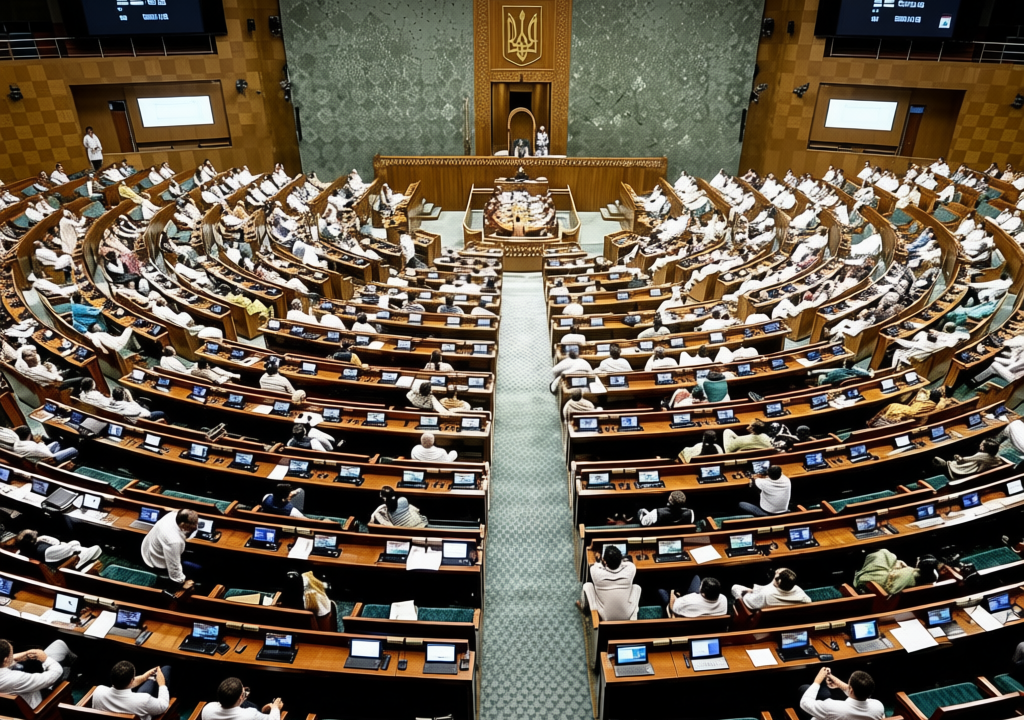
Indiadailyupdate.com – The Lok Sabha passes anti paper leak legislation through significant amendments that substantially increase penalties for examination fraud. On Wednesday, lawmakers approved changes raising the maximum imprisonment term to ten years while introducing monetary fines of up to ₹50 lakh for offenders. The bill received approval via a voice vote, though opposition representatives staged vocal protests throughout the parliamentary session.
Bill Introduction and Key Provisions
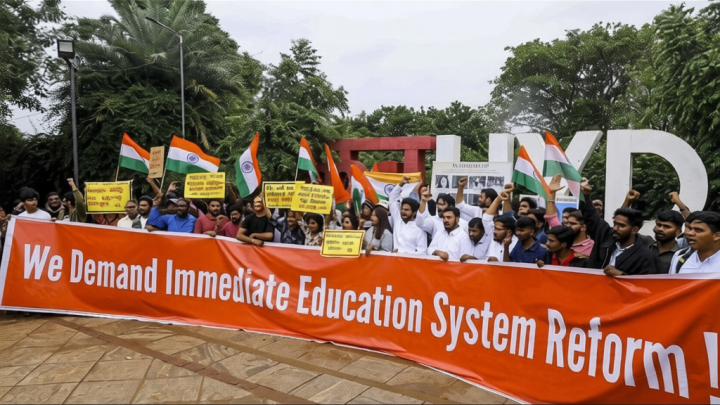
Union Minister Jitendra Singh introduced the Public Examination (Prevention of Unfair Means) Amendment Bill, 2026, in the House on Monday. This legislative initiative came after weeks of intense student demonstrations led by the Cockroach Janta Party, which ultimately prompted Education Minister Dharmendra Pradhan to resign from his ministerial position.
The amended legislation introduces several critical provisions designed to combat examination malpractices more effectively. A strict two-month investigation period has been established for all paper leak cases, ensuring faster resolution and accountability. The punishment severity for cheating has been doubled, with imprisonment terms increasing from five years to ten years. Financial penalties have also been significantly enhanced under the new framework.
Government Response and Statistics
During his parliamentary address, Minister Singh highlighted the administration’s swift response to the NEET examination controversy that sparked nationwide outrage. He disclosed that authorities have registered 52 First Information Reports since the original anti-paper leak statute became operational in 2024.
The 2024 bill, which the Modi government has introduced, has now been further strengthened by these amendments. I want to remind the students of this country of two things. For the first time in the country’s history, we now have a strong, dedicated anti-paper leak law.
Singh emphasized that the government remains receptive to feedback from past experiences. He pointed out that paper leak-related suicides have shown a declining trend over recent years, suggesting improved outcomes under existing measures. The Lok Sabha passes anti paper legislation with the aim of creating a more transparent examination system across India.
Political Reactions and Adjournment
BJP MP Tejasvi Surya delivered a robust defense of the legislation and criticized opposition leadership during the debate. He challenged Rahul Gandhi, the Lok Sabha Leader of Opposition, claiming the Congress leader demonstrated insufficient understanding of parliamentary procedures and governmental operations.
Surya further attacked Gandhi’s recent public stance on student issues. He argued that despite positioning himself as a student advocate during the previous fortnight, the opposition leader failed to address crucial educational matters in his parliamentary address.
Not a single sentence in the leader of the opposition’s speech was regarding the education system, examination reforms, or anything to do with student welfare. The BJP government has walked the talk and has instituted long-term systemic reforms.
Following the passage of the amendment bill, the Lok Sabha concluded its sessions for the day. The strengthened legislation represents what officials describe as a comprehensive approach to combating examination fraud through enhanced penalties and expedited investigations. With the Lok Sabha passes anti paper measures now in place, students and parents can expect greater accountability from examination conducting bodies.