Massive Changes in Organisational Roles on the Cards in Congress?
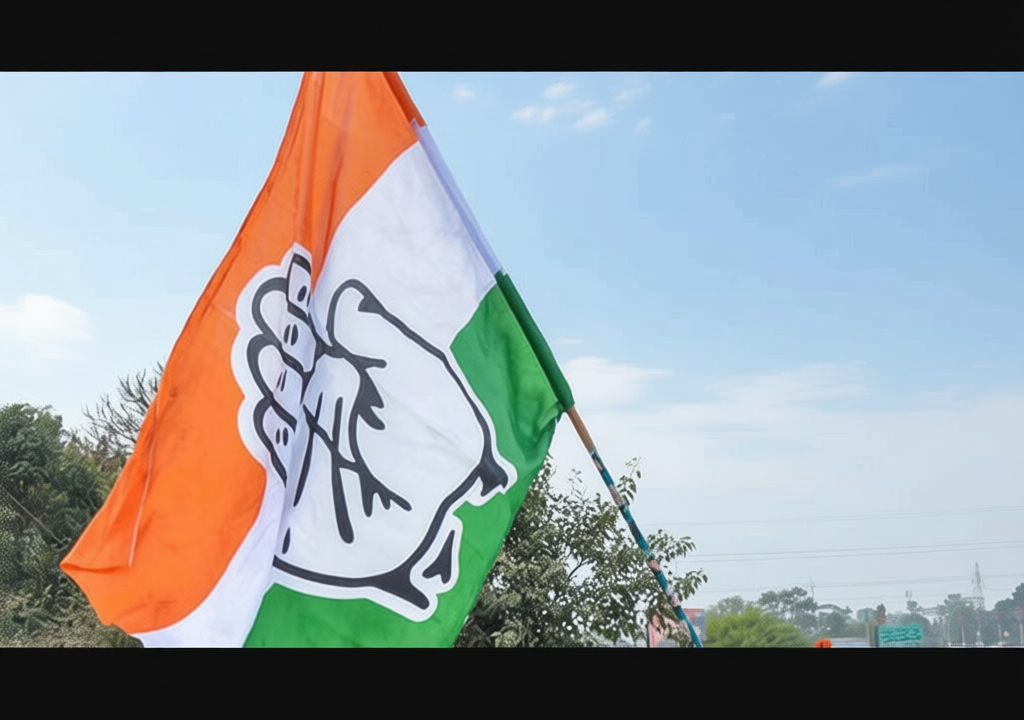
Indiadailyupdate.com – Recent shifts within the Indian National Congress have raised questions about the potential for sweeping organisational changes. The party’s recent electoral setbacks, particularly in the Assam assembly elections, have triggered a rethinking of its leadership structure. Bhawar Jitendra Singh’s decision to step down as in-charge of Assam’s Congress unit, citing a sense of moral obligation, signals the beginning of a broader realignment. This move has led to speculation about how the high command will restructure roles to better align with evolving political demands and internal dynamics.
Leadership Restructuring and Regional Focus
Senior Congress officials have confirmed that the high command is actively reshuffling organisational responsibilities beyond the AICC general secretary positions. Girish Chodankar, who had been managing Tamil Nadu, is returning to his home state of Goa, while B.K. Hariprasad, previously overseeing Haryana, will now take charge of Karnataka. These appointments are seen as a strategic effort to decentralise authority and empower state-level leaders, ensuring more effective governance across regions. The reorganisation also highlights a growing emphasis on balancing national and regional priorities within the party framework.
Among the notable changes is the retention of Ramesh Chennithala, the general secretary in-charge of Maharashtra, who continues to hold both his organisational role and the position of home minister. While this dual responsibility has been manageable so far, insiders suggest that the high command may soon assign another general secretary to Maharashtra, citing the need for streamlined operations. This potential adjustment underscores the challenges of managing overlapping duties in a party that aims to strengthen its grassroots presence while maintaining national coordination.
Friction in Key States and Internal Challenges
Discontent is simmering in several crucial states, including Bihar, Jharkhand, Jammu and Kashmir, and West Bengal, where conflicts between state units and central in-charge leaders have intensified. These tensions reflect broader struggles to unify leadership and secure grassroots support. A recent internal report indicates that a segment of the organisation may undergo further restructuring to address these issues, aiming to resolve power imbalances and improve cohesion. Such changes are critical for ensuring that the party’s organisational roles are aligned with the needs of its diverse state units.
Sachin Pilot, a prominent Congress leader, is being evaluated for a new role as Rajasthan Congress president. If appointed, this could lead to his release from the AICC general secretary position, creating a vacancy in the party’s upper echelons. The leadership is also exploring opportunities to elevate state unit presidents to general secretary roles, as part of a broader initiative to modernise its hierarchy. These adjustments are expected to foster a more dynamic leadership structure, though they may also face resistance from traditionalists within the party.
“The high command has limited options at this stage, so careful deliberation is needed when appointing individuals to these critical posts. There’s also an emphasis on promoting younger leaders to key positions,” said a parliamentarian involved in the party’s decision-making.
“Significant changes have already occurred, with multiple appointments in organisational roles. This time, there’s a deliberate effort to introduce accountability mechanisms within state leaderships. If implemented, it could enhance operational efficiency and improve election readiness,” added a senior Congress leader.
These insights highlight the party’s commitment to transparency and efficiency, even as it navigates internal complexities. The focus on accountability is seen as a step towards addressing long-standing issues in state-level management.
As the Congress party continues to refine its organisational structure, the implications of these changes are being closely watched. The reassignment of roles may lead to a more balanced distribution of power, enabling regional leaders to address local challenges with greater autonomy. However, the process is not without its hurdles, as existing factions and rivalries could influence the final decisions. The coming months will be pivotal in determining how effectively these organisational adjustments can revitalise the party’s electoral prospects and internal harmony.