Indian Passports to Get More Expensive Starting July 1: Major MEA Fee Adjustment
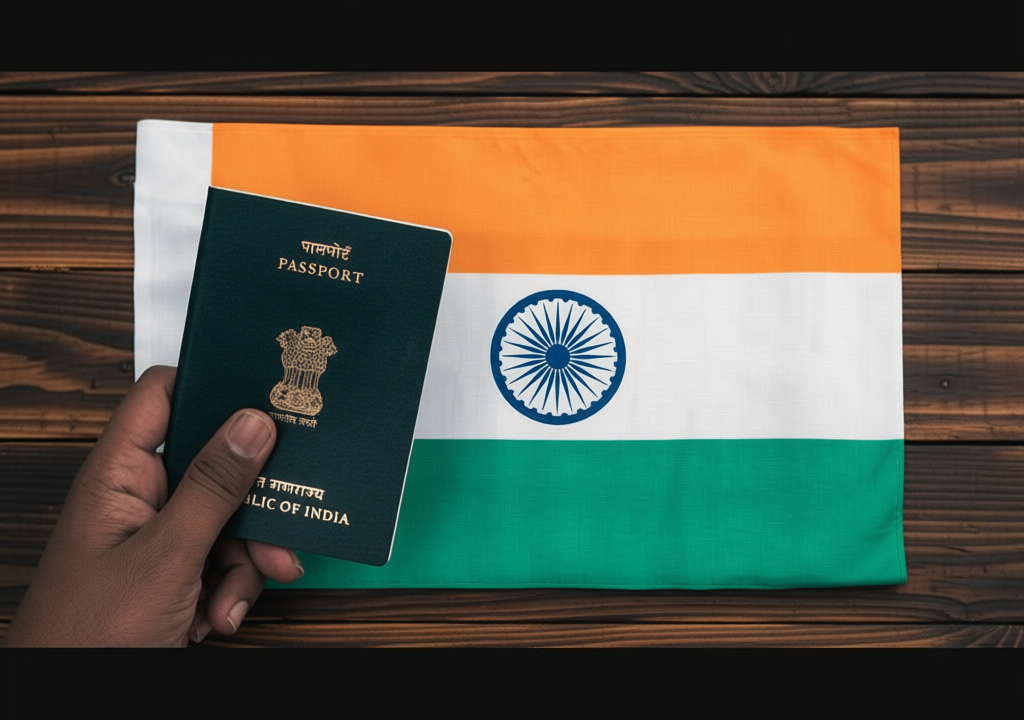
Indiadailyupdate.com – The Ministry of External Affairs (MEA) has announced a significant update to the Passports Rules, 1980, effective July 1, 2026, which will make Indian passports more expensive for new applicants and reissues. This change impacts the standard and Tatkaal categories, with adults and minors now facing higher fees for both 36-page and 60-page passports. The decision follows a major overhaul of the passport system, aligning with the growing demand for international travel and the need to manage administrative costs more efficiently.
Under the revised tariff structure, the standard cost for a 36-page passport or reissue will increase from Rs 1,500 to Rs 2,500 for adults. Minors aged 15–18 applying under the adult category will also see a similar jump. The Tatkaal category, which allows for faster processing, now requires Rs 5,000 instead of the previous Rs 3,500. For 60-page passports, the standard fee rises to Rs 3,500, up from Rs 2,000, while the Tatkaal rate climbs to Rs 6,000, a Rs 2,000 hike. Young applicants under 18 are restricted to 36-page passports, with fees at Rs 1,750 and Rs 4,250 for standard and Tatkaal processing, respectively.
The updated pricing also applies to passport replacements. A 36-page replacement will cost Rs 5,000 under standard procedures and Rs 7,500 for Tatkaal. For 60-page replacements, the normal fee is Rs 6,000, while the expedited option now stands at Rs 8,500. Additionally, emergency certificates remain free when applied for within India but cost $15 abroad, and identity certificates are priced at Rs 1,000. The MEA has also introduced new charges for services like Police Clearance Certificates, Surrender Certificates, and Global Entry Program verification, each priced at Rs 750.
Reasons Behind the Fee Hike
The MEA’s decision to increase passport costs stems from a combination of factors, including inflation, operational expenses, and the need to streamline services. According to officials, the revised tariffs aim to reflect the current economic landscape and ensure the sustainability of the passport system. The ministry emphasized that the increase is not arbitrary, as it is designed to cover rising costs associated with document production, security upgrades, and improved processing efficiency. This marks the first major adjustment to passport fees since 2012, signaling a renewed focus on modernizing India’s diplomatic infrastructure.
The shift in pricing comes amid discussions about the passport’s role in national identity and travel facilitation. The MEA clarified that the document is a travel permit, not a citizenship proof, reinforcing its purpose as a means to enable international movement. The expansion of Passport Seva Kendras, which has grown from 77 in 2014 to over 545 currently, is cited as a key factor in the updated cost structure. This growth has improved accessibility but also necessitated higher operational expenditures. The ministry also highlighted the importance of maintaining competitive pricing while ensuring the quality and security of the passports.
Impact on Different Applicant Groups
The new fees will affect various demographics differently. Adults and older minors will see the most significant increases, with a 66.7% rise in standard 36-page passport costs and a 42.9% increase in 60-page tariffs. Younger applicants, however, will be limited to the 36-page category, which is priced at Rs 1,750 for standard processing and Rs 4,250 for Tatkaal. This distinction underscores the MEA’s effort to balance affordability for younger citizens with the need for higher revenue to support the expanded passport system.
For those requiring expedited services, the Tatkaal category fees will likely deter some applicants, especially those who previously used it for emergencies or urgent travel. The Rs 5,000 and Rs 6,000 rates for 36-page and 60-page passports, respectively, could lead to a surge in standard applications, particularly among budget-conscious travelers. The MEA also noted that the increase in replacement fees, now at Rs 5,000 and Rs 6,000, aims to address the costs of reissuing passports for lost or damaged documents. These adjustments are expected to improve the overall efficiency and security of the passport system in the long term.
“The passport system must evolve to meet modern demands, and these adjustments are necessary to ensure its continued relevance and effectiveness,” stated a MEA spokesperson. “The increase in fees will help cover the costs of enhanced security features and faster processing times, which are essential for supporting India’s growing international presence.”
The announcement has sparked mixed reactions from the public. While some acknowledge the need for financial adjustments, others argue that the rise in costs could disproportionately affect lower-income individuals. Advocacy groups have called for a phased implementation or subsidies for specific categories, such as students and migrant workers, to ease the burden. Despite these concerns, the MEA remains confident that the new pricing structure will help maintain the passport system’s quality and reliability for all users.