India’s Visa Move Mends Ties with Bangladesh Amid Rahman’s China Visit
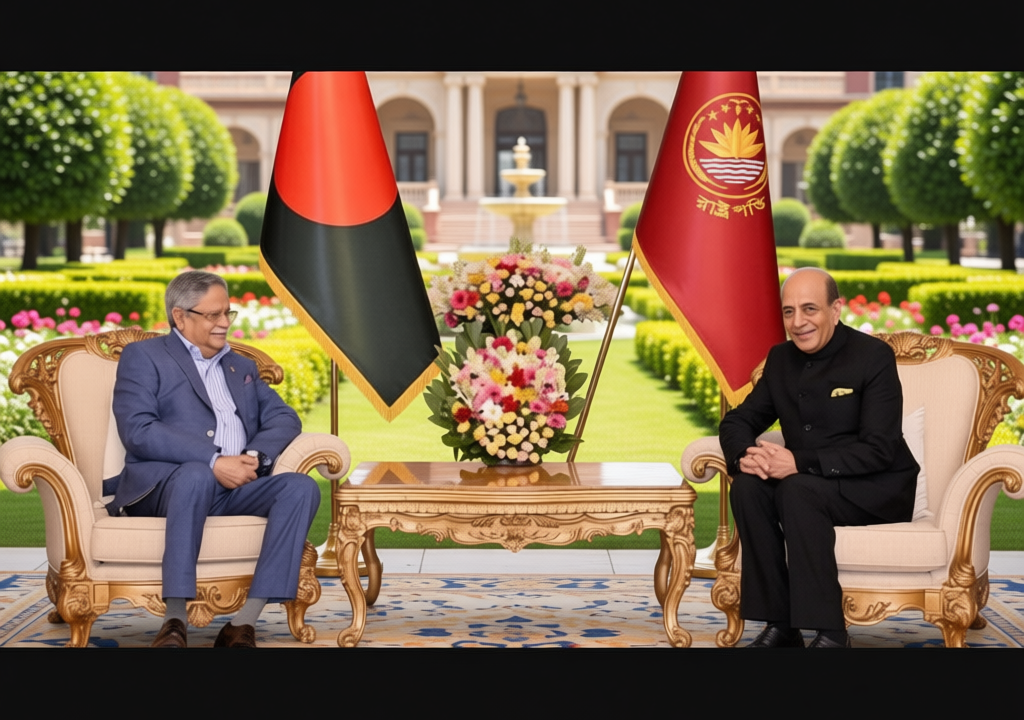
Indiadailyupdate.com – India’s visa move has emerged as a pivotal gesture in efforts to restore diplomatic warmth with Bangladesh, particularly during the backdrop of Prime Minister Tarique Rahman’s recent visit to China. The decision to resume tourist visa services for Bangladeshi citizens marks a symbolic yet substantive shift in bilateral relations, which had faced strain following the political transition in Dhaka. This move, effective from June 28, aims to rebuild trust and foster closer cultural and economic ties between the two neighboring nations, with India’s high commissioner, Dinesh Trivedi, playing a central role in its implementation.
A Diplomatic Signal Through Policy Change
Trivedi’s appointment as India’s high commissioner to Bangladesh was strategically timed to underscore the country’s commitment to reconciliation. While his title remains unchanged in official documents, the government has granted him the ceremonial rank of a Union Cabinet Minister, a decision that reflects the high priority given to this diplomatic effort. This step is intended to signal India’s intent to prioritize bilateral cooperation over lingering political disagreements, especially as Bangladesh looks to solidify its strategic partnership with China.
“This visa move is not just about facilitating travel—it’s about rekindling the bonds of friendship and trust that have been temporarily disrupted,”
Trivedi remarked during his inaugural press briefing in Dhaka, emphasizing the broader implications of the policy change. By reintroducing general travel visas, India is addressing a long-standing issue that had left Bangladeshi nationals unable to visit for leisure or business. The initial rollout will cover five major cities—Dhaka, Rajshahi, Chittagong, Sylhet, and Khulna—with plans to expand services across the country in the coming months. This gradual approach allows for a smooth transition and ensures the system is fully operational before wider accessibility is offered.
Historical Context and Regional Dynamics
The renewed visa process comes after nearly two years of suspension, a period that coincided with the political upheaval in Bangladesh following the removal of Sheikh Hasina’s government. During this time, India had restricted visa services, reflecting tensions over issues such as border disputes and regional influence. Now, with the easing of these restrictions, the focus shifts toward repairing the relationship through pragmatic measures. Rahman’s concurrent visit to China adds another layer to this dynamic, as Bangladesh seeks to balance its ties with both its eastern and western neighbors.
Rahman’s China trip has drawn significant attention, with Dhaka aiming to secure financial and technical backing for the Teesta river management project. This initiative is critical for Bangladesh’s water security and has become a focal point of its economic diplomacy. While India remains invested in its own strategic interests, the government has chosen to emphasize diplomatic engagement over economic rivalry, a decision that aligns with its broader goal of mending relations with Bangladesh. The visa move serves as a tangible manifestation of this approach, offering a pathway for increased cultural exchange and mutual understanding.
Broader Implications for Bilateral Relations
Analysts highlight that India’s visa move is more than a logistical adjustment—it is a calculated effort to showcase goodwill and reduce friction. With Rahman’s visit to China, the decision to reintroduce visas underscores India’s desire to maintain a strong presence in the region while supporting Bangladesh’s economic ambitions. This dual strategy positions India as both a regional partner and a competitor, navigating the complex geopolitical landscape with diplomatic finesse.
The revival of visa services is expected to boost tourism and business travel between the two countries, areas that had suffered due to the earlier restrictions. It also signals a willingness to engage in dialogue and address past grievances. As Bangladesh continues to seek China’s support for infrastructure and development projects, India’s proactive stance may help solidify its position as a key player in the region’s evolving dynamics. This move could serve as a foundation for future collaborations, including trade agreements and joint initiatives in education and technology.
Public and Industry Reactions
The decision has been met with mixed reactions from the public and industry stakeholders. While many in Bangladesh welcome the return of visa services as a sign of India’s commitment to friendship, some remain cautious, noting the need for sustained efforts to rebuild trust. In India, the move has been praised as a pragmatic step to strengthen regional ties, though critics argue that more action is required to fully resolve outstanding issues. For instance, the ongoing border disputes and the Teesta river issue remain unresolved, requiring continued dialogue and cooperation.
Despite these challenges, the visa move is seen as a positive development that could catalyze broader engagement. With improved mobility, cultural exchanges are likely to increase, fostering a deeper understanding between the two nations. Additionally, the policy change may encourage more investment and trade, as business ties are expected to benefit from the ease of travel. As India and Bangladesh navigate their shared interests and competing priorities, this step provides a much-needed opportunity to align their goals and strengthen mutual partnerships.