Will Former RBI Governor Shaktikanta Das Replace Nirmala Sitharaman as Finance Minister? Cabinet Rejig Buzz Intensifies
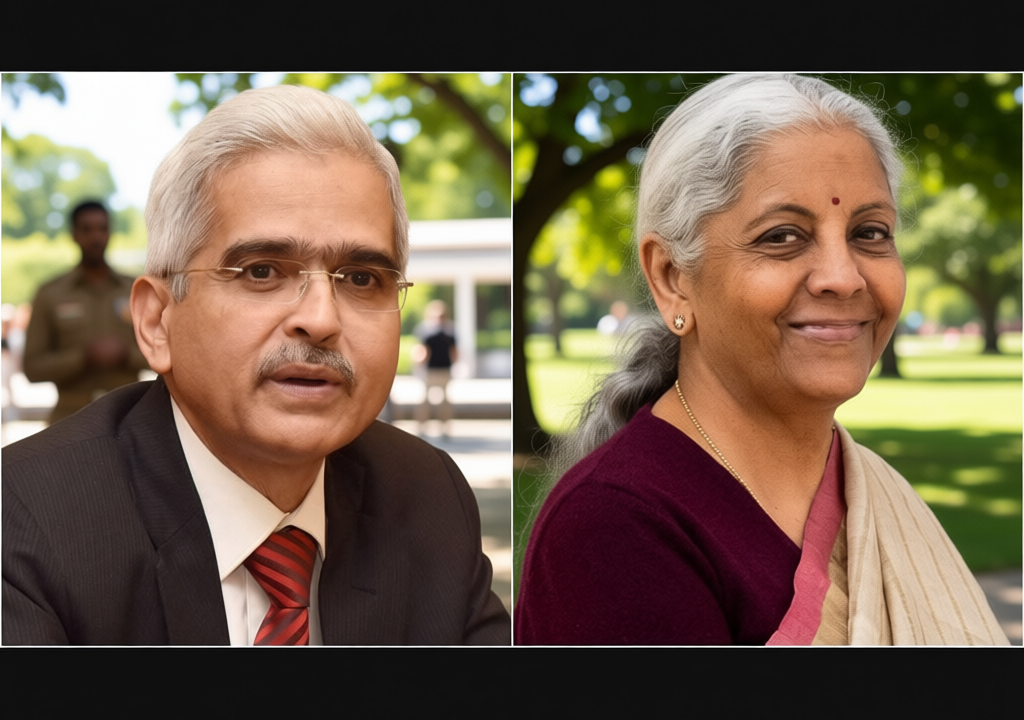
Indiadailyupdate.com – Speculation is mounting about a potential cabinet reshuffle in India, with a growing focus on whether former Reserve Bank of India (RBI) governor Shaktikanta Das could take over the finance ministry from Nirmala Sitharaman. As the Monsoon Session of Parliament approaches, political analysts and media outlets are closely tracking discussions within the ruling BJP and the government’s inner circles. The shift would mark a significant move, as Das, a seasoned economist and administrator, is being considered for a role that has long been dominated by senior bureaucrats and political figures. This development raises questions about the rationale behind the change and its implications for India’s economic policy.
Potential Cabinet Rejig and Das’s Strategic Role
The idea of replacing Nirmala Sitharaman with Shaktikanta Das has gained traction amid reports of internal consultations within the BJP. Sitharaman, who has held the finance ministry post since 2019, is expected to be moved to the human resource development (HRD) ministry if the rejig proceeds. Das, currently serving as Principal Secretary to the Prime Minister, has been seen as a candidate with deep knowledge of fiscal and monetary policy. His tenure at the RBI, where he oversaw key economic decisions, has positioned him as a potential bridge between the government’s economic strategy and the central bank’s operations.
While no official confirmation has been made, the timing of the speculation aligns with the government’s efforts to streamline policy execution. Das’s experience in managing the RBI’s monetary policy during a period of economic volatility, including the 2020 pandemic-induced crisis and the 2023 inflation challenges, has made him a familiar figure in economic governance. His potential move to the finance ministry could signal a desire to integrate central banking expertise with fiscal planning, a move that has drawn both support and skepticism from various quarters.
Das’s Career and Expertise in Economic Leadership
Shaktikanta Das’s career has been defined by his ability to navigate complex economic environments. Before joining the RBI in 2018, he served as a member of the 15th Finance Commission, contributing to the formulation of India’s fiscal framework. His role as India’s G20 Sherpa during the 2016 summit further underscored his diplomatic and economic acumen. In the finance ministry, Das would bring a unique perspective, blending his experience in monetary policy with hands-on governance in Central and state administrations.
Das’s leadership during the demonetisation drive in 2016 also highlights his strategic approach to economic reforms. As a senior official in the Department of Economic Affairs at that time, he was instrumental in implementing the policy that aimed to curb black money and promote digital transactions. His involvement in eight Union Budgets and his tenure as a policy architect in the 2010s have earned him a reputation for precision and innovation. These credentials make him a compelling candidate for the finance ministry, where continuity and expertise are critical.
Meanwhile, the current finance minister, Nirmala Sitharaman, has been a consistent figure in India’s economic landscape. Known for her pragmatic leadership, she has overseen major fiscal reforms, including the introduction of the Goods and Services Tax (GST) and the management of the country’s public finances during the pandemic. Her departure from the role would open the door for a new approach, potentially shifting the focus from fiscal prudence to monetary integration or vice versa. Analysts suggest that the decision may reflect a broader alignment of economic policy across the central government and the RBI.
“The government is exploring ways to enhance coordination between fiscal and monetary policies,” said a senior BJP official, adding that Das’s familiarity with both domains could be a key factor in the rejig. “His experience at the RBI ensures a balanced perspective that aligns with the current economic priorities.”
As the cabinet rejig gains momentum, the focus remains on how Das’s appointment would impact India’s economic trajectory. With his background in both the RBI and government, he is seen as a leader capable of addressing challenges such as inflation, fiscal deficit, and the push for sustainable growth. The move could also reflect the government’s emphasis on technical expertise in key roles, particularly as it prepares for upcoming economic policy challenges. While the final decision is yet to be announced, the buzz around Das’s potential appointment underscores his significance in India’s financial landscape.