The Multi-Skill Generation: Why One Career Path Is No Longer the Norm
Indiadailyupdate.com – Today’s workforce is defined by a new paradigm: the multi-skill generation. In the past, career development followed a linear trajectory, with individuals dedicating decades to mastering a single profession. However, the digital age has disrupted this model, creating a landscape where adaptability and versatility are essential for success. As the multi-skill generation emerges, the idea of a single, lifelong career path is being redefined, giving rise to a more dynamic and interconnected approach to professional growth. This shift is driven by rapid technological advancements, globalization, and the growing demand for innovation across industries.
The Rise of the Multi-Skill Generation
The multi-skill generation is not just a trend—it is a fundamental transformation in how people approach work and learning. Young professionals today are no longer confined to traditional roles; they actively seek opportunities to acquire diverse competencies, often blending multiple fields to create unique career identities. This evolution is particularly pronounced in sectors like technology, healthcare, and creative industries, where cross-disciplinary skills are increasingly valued. For instance, a marketing specialist might also develop coding abilities to manage digital campaigns, while an engineer might pivot into data analysis or entrepreneurship. Such fluidity allows individuals to respond to market demands with agility, ensuring their relevance in an ever-changing economy.
Technology and Globalization as Catalysts
Advancements in technology and the rise of digital platforms have been instrumental in shaping the multi-skill generation. Online learning tools, such as Coursera, Udemy, and LinkedIn Learning, democratize access to knowledge, enabling individuals to acquire new skills at their own pace. Additionally, globalization has expanded the scope of career opportunities, allowing professionals to work remotely or collaborate across borders. This interconnectedness has made it easier for the multi-skill generation to explore multiple roles, often without sacrificing job security. As a result, career paths are no longer dictated by rigid hierarchies but by personal aspirations and market needs.
The multi-skill generation also thrives in environments that encourage continuous learning. Employers are increasingly recognizing the value of employees who can contribute in multiple capacities, leading to more flexible work arrangements and project-based assignments. This shift not only benefits individuals by fostering personal growth but also enhances organizational innovation. By integrating diverse skill sets, teams can tackle complex challenges more effectively, driving creativity and efficiency. In this context, the multi-skill generation represents a bridge between traditional career models and a future where professional identity is fluid and multifaceted.
Yet, this adaptability comes with its own set of challenges. The multi-skill generation must navigate the tension between specialization and generalization, ensuring they maintain depth in core areas while exploring new domains. While this approach fosters resilience, it can also lead to fragmented expertise if not strategically managed. To succeed, individuals need to cultivate a balance—building a foundation in one field while developing complementary skills that allow for lateral movement. This strategy is particularly critical in industries experiencing frequent disruptions, such as the tech sector, where upskilling is often a necessity rather than an option.
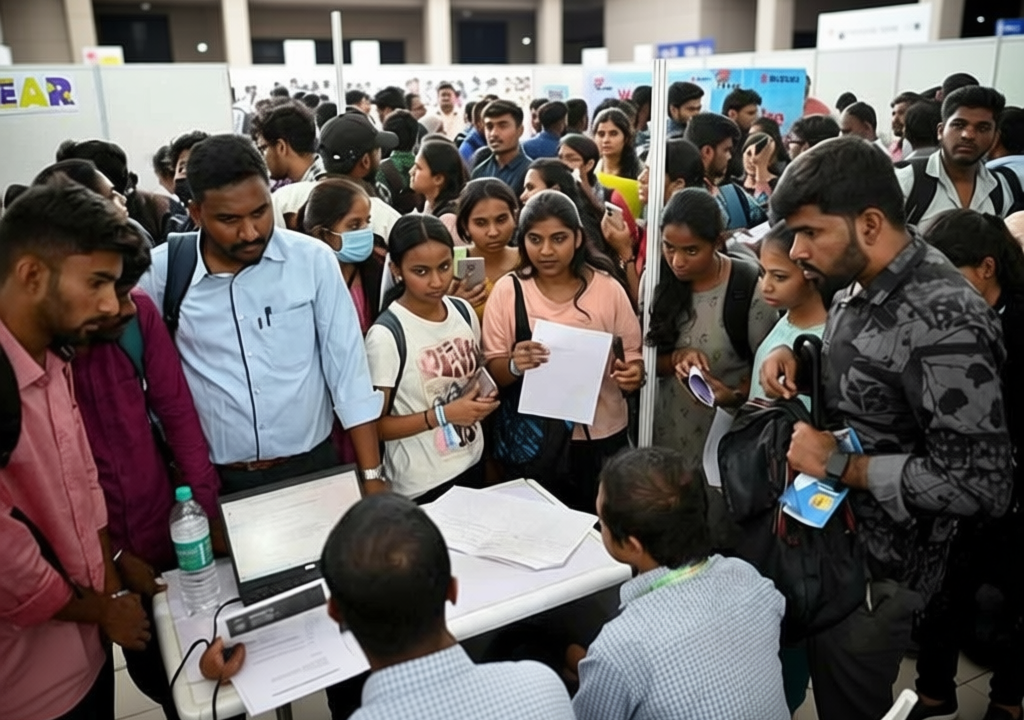
One moment they sit in lecture halls, next they craft posts online while balancing client work on the side.
As the multi-skill generation gains prominence, the concept of career development is expanding beyond formal education. Many professionals now pursue continuous learning through online courses, certifications, and hands-on experiences, often aligning their skills with emerging opportunities. This proactive mindset reflects a deeper understanding of the modern workplace, where employers value adaptability as much as technical proficiency. The multi-skill generation’s ability to seamlessly transition between roles and industries not only enhances their employability but also empowers them to shape their own career narratives. In doing so, they redefine success as a journey of exploration and growth rather than a fixed destination.
The author is managing director of Udaan 360 Edutech and a career counsellor.