Monsoon Intensifies in Mumbai: Severe Waterlogging in Several Suburbs; IMD Issues Yellow Alert
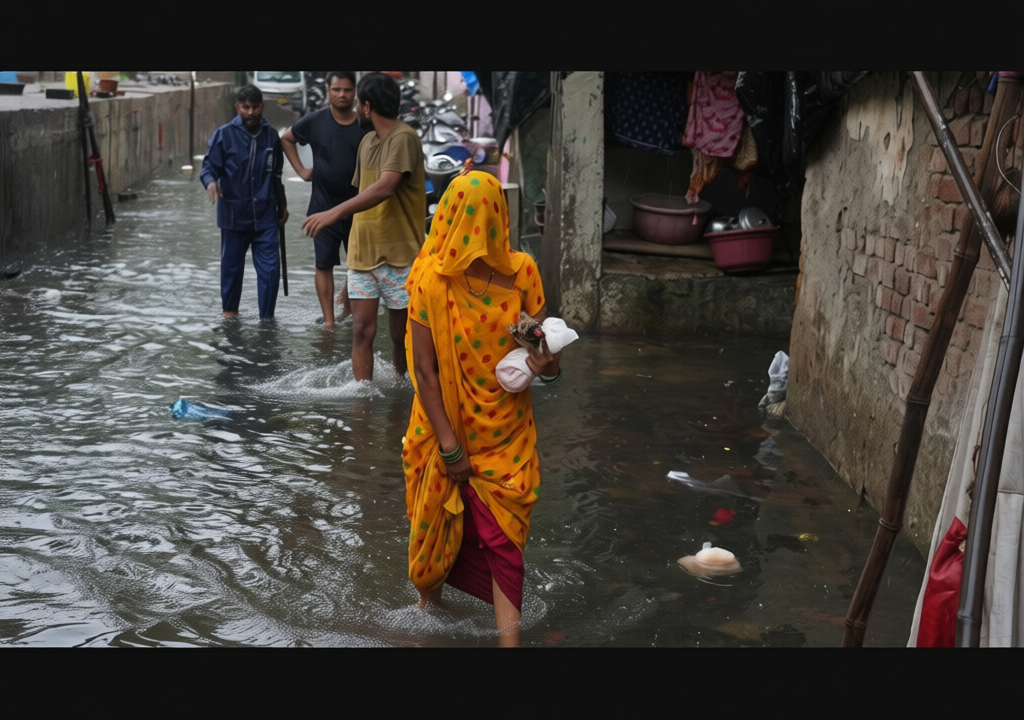
Indiadailyupdate.com – The monsoon intensifies in Mumbai as heavy rains continued to batter the city, causing severe waterlogging in multiple suburbs and prompting the India Meteorological Department (IMD) to issue a yellow alert. The downpours, which followed a week of persistent rainfall, led to localized flooding, disrupted public transport, and forced residents to take shelter from the downpours. Officials reported that the situation worsened in areas like Dadar, Kandivali, and Vile Parle, where roads turned into rivers, and emergency services were stretched thin to manage the crisis. The IMD’s warning comes as the monsoon season enters its critical phase, with weather forecasts suggesting that the intensity could persist for the next few days.
Monsoon’s Impact on Mumbai’s Infrastructure
As the monsoon intensifies in Mumbai, the city’s drainage systems are under immense pressure, leading to widespread waterlogging that has paralyzed daily life. The IMD’s yellow alert indicates that rainfall could reach 60-90 mm in the coming hours, with localized downpours possibly exceeding 100 mm. This has raised concerns about the city’s preparedness for extreme weather events, especially with the monsoon season being more erratic than usual this year. Urban planners and local authorities are now scrambling to implement contingency measures to mitigate the damage.
Transportation networks in Mumbai were severely affected, with major highways and suburban rail services facing delays. Commuters faced long waits as waterlogged tracks caused frequent disruptions, while traffic congestion turned into a nightmare for those trying to navigate the city. The crisis also impacted power supply, as water entered the city’s electrical grid in some low-lying areas. Residents and businesses in affected zones have been advised to stay alert and take precautions, especially as the monsoon continues to intensify in Mumbai.
Contrasting Weather Patterns Across India
While Mumbai grapples with the monsoon’s fury, regions like Delhi and Uttar Pradesh face the opposite extreme. Delhi remained in a grip of a humid heatwave, with temperatures surpassing 45°C, while Uttar Pradesh experienced a wave of scorching heat, leading to the issuance of orange alerts in 11 districts. The IMD’s regional forecasts highlight the stark contrast in weather conditions, emphasizing how the monsoon intensifies in Mumbai while other parts of the country endure harsh summer conditions. This divergence underscores the complex and unpredictable nature of India’s climate during the monsoon season.
Delhi’s extreme heatwave reached a peak of 51.3°C, making it one of the hottest days of the year. Despite forecasts of weekend rain, the city remained dry, with high humidity intensifying the discomfort. In contrast, Uttar Pradesh saw temperatures rise to 41.9°C in Lucknow, though a brief respite with scattered showers provided temporary relief. The monsoon intensifies in Mumbai, creating a geographical split in weather conditions that has forced different regions to prepare for distinct challenges. For Mumbai, the focus is on managing waterlogging, while for Delhi and Uttar Pradesh, the priority lies in combating the scorching heat.
As the monsoon continues to intensify in Mumbai, experts warn that the city may face recurring episodes of severe waterlogging, especially with the urban landscape being more vulnerable to flooding. The IMD has advised residents to stay updated on the weather forecasts and take necessary precautions, including keeping emergency kits ready. Meanwhile, the government has launched relief operations in affected suburbs, deploying teams to clear drains and assist stranded commuters. This proactive approach is crucial to handling the challenges posed by the monsoon intensifies in Mumbai, ensuring that the city can recover quickly from the aftermath of heavy rains.
Residents in Mumbai’s suburbs have been expressing their frustration over the recurring floods, which have disrupted their livelihoods and daily routines. Many have reported that the waterlogging has affected markets, schools, and office spaces, with some areas remaining submerged for hours. The monsoon intensifies in Mumbai has also led to increased traffic accidents and delays in essential services, such as medical and food delivery. Social media platforms have been flooded with complaints and photos of the chaos, highlighting the urgent need for improved infrastructure and better flood management strategies. The IMD’s warnings serve as a reminder that the monsoon’s unpredictable nature requires continuous monitoring and preparedness.