
Ram Temple Donation Row: UP Police Raid Homes of 8 Accused as Money Trail Probe Expands
Investigation Intensifies: Police Raids and Legal Proceedings
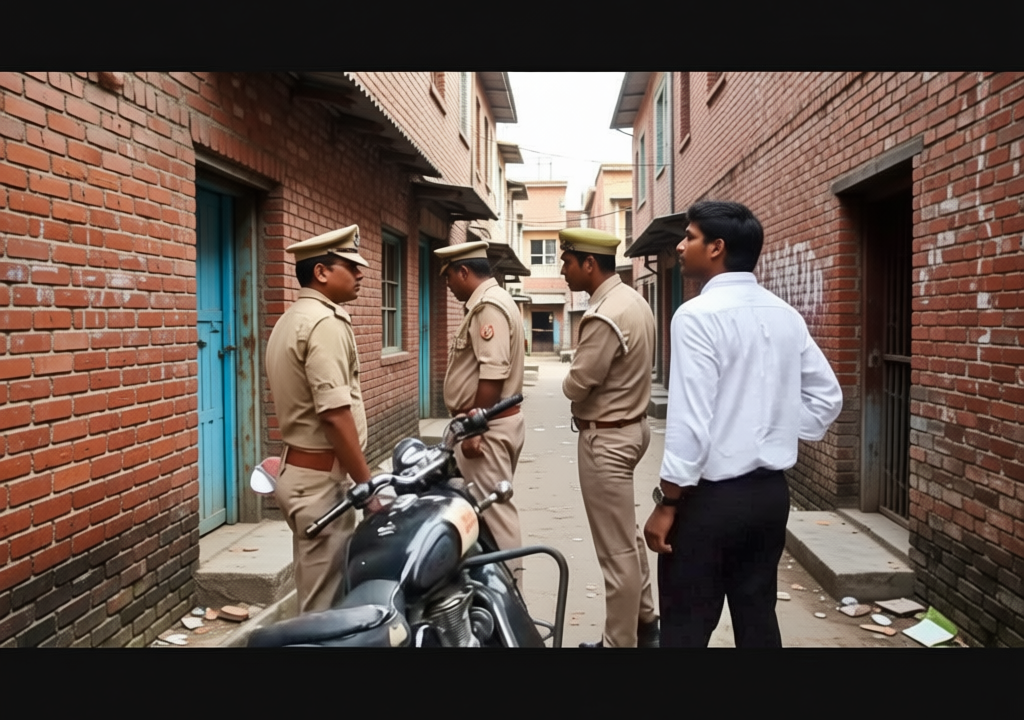
Indiadailyupdate.com – The Ram Temple donation row has taken a significant turn as the Uttar Pradesh Police executed simultaneous raids on Sunday, targeting the residences of eight individuals accused of misusing funds collected for the Ram Temple construction. The operation, conducted under the watchful eyes of local magistrates, aims to trace the financial trail of donations linked to the iconic temple in Ayodhya. This marks a crucial phase in the probe, which has already led to the arrest of several key figures involved in managing the temple’s contributions. The accused, including Vinash Shukla, Anukalp Mishra, Lav Kush Mishra, Manish Kumar Yadav, Karunesh Pandey, Ram Shankar Mishra, Subhash Srivastava, and Ramashankar alias Tinnu Yadav, were remanded in custody until June 29 following a court order. As the investigation progresses, police are expected to seek an extension of their detention when they reappear before the court on Monday.
The raids are part of a broader effort to uncover discrepancies in the money trail associated with the Ram Temple donations. The Uttar Pradesh government, which has been under pressure to address concerns about the temple fund allocation, had recently established a three-member Special Investigation Team (SIT) to scrutinize the financial activities. The SIT’s findings have been pivotal in triggering the current legal actions, with the police filing an FIR under sections of the Bharatiya Nyaya Sanhita, including theft by a servant, criminal breach of trust, and provisions of the Prevention of Corruption Act. These legal provisions highlight the gravity of the alleged misuse, which has sparked public debate over transparency in the management of religious donations.
Recovery of Funds and Trust’s Response
Following the raids, authorities have reported the recovery of approximately Rs 80 lakh in cash, alongside foreign currency, from the accused. The seizure of these assets underscores the police’s focus on unearthing evidence of financial misconduct. The controversy has intensified with the recent resignation of Shri Ram Janmabhoomi Teerth Kshetra Trust General Secretary Champat Rai and trustee Anil Mishra, who stepped down on Saturday amid growing scrutiny. In a statement, the Trust reiterated its commitment to addressing the allegations, emphasizing its dedication to maintaining the integrity of the Ram Temple donation row. “We are shocked, hurt, and deeply saddened by the events we have heard about over the past few days at Shri Ram Temple (Ayodhya). Serving here as representatives of all Ram devotees and Ram sevaks, we want to assure the devotees of Lord Ram that we are committed to a fair investigation,” said Govind Dev Giri, Treasurer of the Trust.
The Ram Temple donation row has also drawn attention to the broader implications of how religious funds are managed in India. The trust, which oversees the construction and maintenance of the temple, has faced criticism for alleged irregularities in the allocation of contributions. While the trust maintains that it has been proactive in investigating the matter, the police’s actions suggest a more aggressive approach to uncovering potential wrongdoing. This case is particularly sensitive given the historical and cultural significance of the Ram Temple, which is a symbol of Hindu nationalism and a focal point of the ongoing Ayodhya dispute. The public’s reaction has been mixed, with some demanding transparency and others expressing concern over the politicization of the investigation.
The probe into the Ram Temple donations has also raised questions about the accountability of those handling such funds. With the SIT’s role expanding, the investigation may delve deeper into the financial mechanisms of the trust, including the flow of money from donors to construction projects. The police’s focus on recovering cash and valuables indicates a broader strategy to gather tangible evidence against the accused. This includes tracing transactions, identifying beneficiaries, and linking the alleged misconduct to specific individuals or entities. As the inquiry unfolds, it may shed light on whether the funds were misused for personal gains or diverted to other purposes, further complicating the Ram Temple donation row.
Legal experts have noted that the charges under the Prevention of Corruption Act and criminal breach of trust are strong tools for holding the accused accountable. These provisions allow for the prosecution of individuals who misuse public funds, making the current case a test of how such laws are applied in the context of religious contributions. The involvement of the UP Police in executing the raids also signals the state government’s active participation in the probe, which could influence the outcome of the case. Meanwhile, the trust’s leadership has maintained that the investigation is necessary but should be conducted with due diligence to protect the interests of all stakeholders involved in the Ram Temple donation row.
As the Ram Temple donation row continues to gain momentum, the next steps in the investigation will likely focus on interrogating the accused and presenting evidence to the court. The police may also seek to expand the probe by examining the trust’s financial records and engaging with other stakeholders, including donors and religious leaders. This case has become a focal point for discussions on the intersection of religion, politics, and finance in India, with the potential to impact public perception of the Ram Temple and its associated institutions. The outcome of the probe may not only resolve the current allegations but also set a precedent for future investigations into the management of religious donations.