Supreme Court Extends AI Rules Consultation
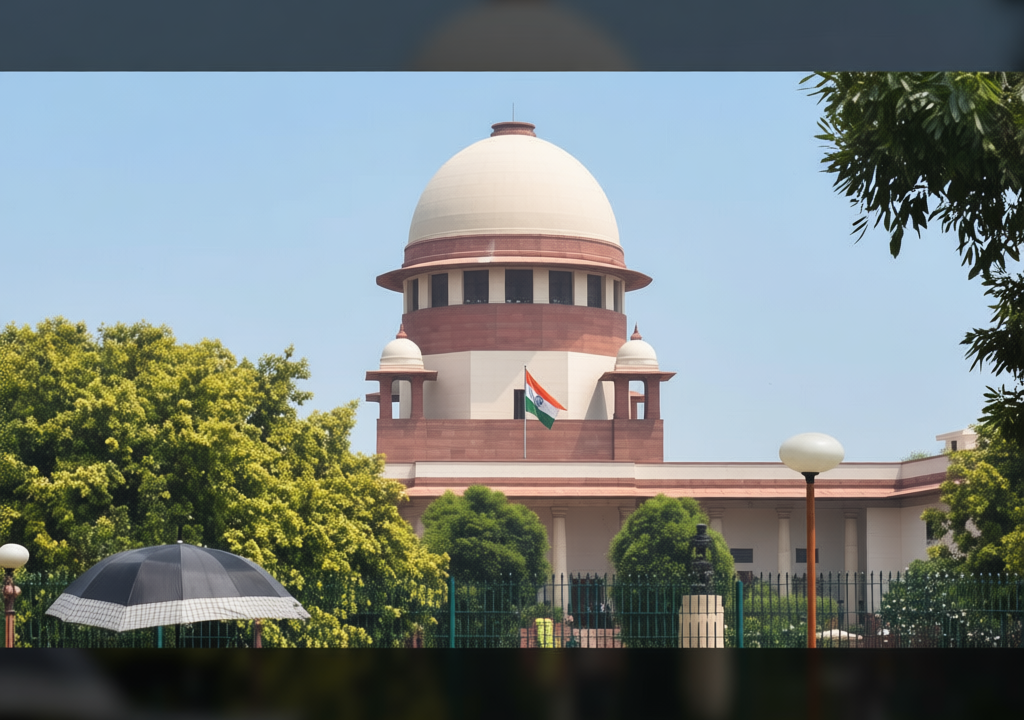
Indiadailyupdate.com – The Supreme Court has taken a significant step by extending the consultation period for the proposed ‘Regulations for Use of AI in Courts’ until July 15, 2026. This decision follows the initial release of the draft guidelines on June 3, 2026, and aims to gather broader input from stakeholders, legal professionals, and the public. The revised timeline underscores the court’s commitment to refining AI integration within judicial processes, ensuring that the technology aligns with constitutional values and maintains the integrity of legal decisions.
Supreme Court extends consultation on AI to allow for comprehensive feedback on how artificial intelligence can be implemented in the judiciary. The draft regulation outlines frameworks for AI tools to assist in tasks like case summarization, document analysis, and legal research. This initiative is part of the e-Courts Project Phase-III, which has been allocated ₹53.57 crore to modernize court operations. The funding supports the adoption of AI, blockchain, and other emerging technologies, reflecting a growing emphasis on digital transformation in the legal sector.
AI Integration in Judicial Processes
As the Supreme Court extends consultation on AI, the proposed rules seek to balance innovation with accountability. AI is being considered for roles such as automating repetitive legal tasks, improving case management, and enhancing decision-making efficiency. However, the guidelines also address potential risks, including biases in algorithmic judgments and the need for transparency in AI-generated legal outputs. The draft emphasizes that AI should complement, rather than replace, human judgment, ensuring that due process remains intact.
The consultation process involves multiple stakeholders, including law firms, legal academies, and technology providers. This collaborative approach aims to address concerns about the impact of AI on judicial independence and the rights of litigants. By engaging experts and practitioners, the Supreme Court hopes to develop regulations that are both forward-thinking and practical. The revised deadline allows for more in-depth discussions on the ethical and procedural implications of AI in the courtroom environment.
Constitutional and Legal Considerations
Supreme Court extends consultation on AI with a focus on its constitutional and legal implications. The draft regulation asserts that AI applications must adhere to fundamental principles such as natural justice, equality before the law, and the right to a fair trial. These principles are crucial in ensuring that AI tools do not undermine the judiciary’s role as a guardian of constitutional rights. CJI Surya Kant’s statement, “The Supreme Court is not a headmaster,” underscores the importance of maintaining autonomy in legal interpretation while incorporating technological advancements.
“The Supreme Court’s use of AI should not encroach on the jurisdiction of lower courts,” noted CJI Surya Kant in a Lok Sabha response on December 5, 2025. This highlights a debate over whether AI regulations should apply universally across all courts or be tailored to the Supreme Court’s unique role. The draft’s omission of references to constitutional authority has sparked discussions about its legal enforceability and the need for clear governance structures to oversee AI-driven judicial activities.
The Bar Council of India has expressed concerns about the legal framework for AI. The Advocates Act, 1961, currently does not recognize AI as a legal entity, meaning that errors in AI-generated documents would fall under the responsibility of human legal professionals. This raises questions about accountability and the potential for AI to become a tool of legal automation without adequate oversight. The consultation period provides an opportunity to address these gaps and establish a robust regulatory foundation for AI in the judiciary.
Stakeholder Feedback and Future Implications
With the Supreme Court extending consultation on AI, stakeholders are encouraged to submit detailed comments on the draft guidelines. This includes legal experts, technologists, and representatives from state governments. The feedback will shape the final regulations, which are expected to define the scope of AI applications, set performance standards, and outline mechanisms for dispute resolution. Such measures are essential to ensure that AI tools function as reliable aids in the judicial process without compromising fairness or transparency.
The consultation also addresses concerns about data security. The draft proposes that sensitive judicial data—such as parties’ personal details and case-specific information—must be protected from unauthorized access. This aligns with the Punjab and Haryana High Court’s directive in April 2026, which restricted the use of AI tools like ChatGPT, Gemini, and Copilot for judgment drafting. By incorporating these safeguards, the Supreme Court aims to prevent data breaches and maintain public trust in AI-assisted legal processes.
As the Supreme Court extends consultation on AI, the final regulations are anticipated to serve as a model for other judicial bodies. The proposed guidelines seek to harmonize the benefits of AI with the principles of justice, ensuring that technological progress supports, rather than hinders, the delivery of equitable legal outcomes. The extended deadline reflects the court’s desire to address diverse perspectives and create a comprehensive framework that adapts to the evolving landscape of digital jurisprudence.