Yogi Adityanath Highlights Women’s Legacy at Greater Noida Gathering
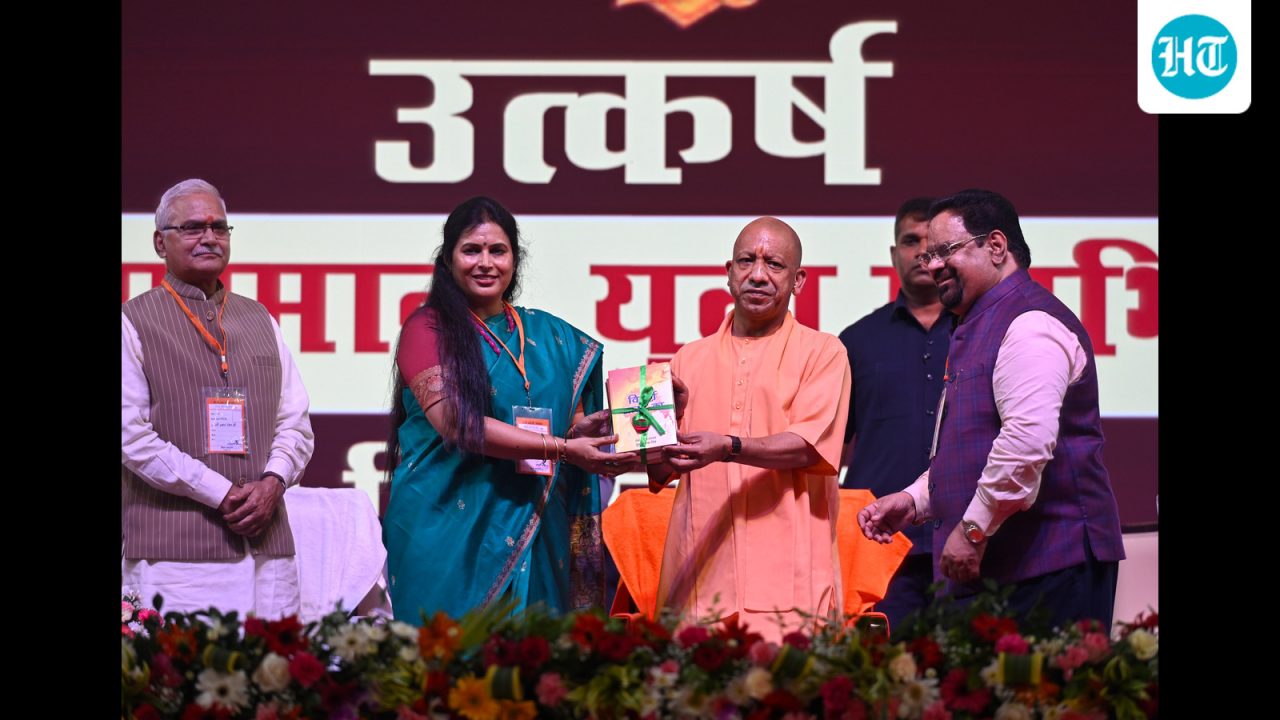
Indiadailyupdate.com – Uttar Pradesh chief minister Yogi Adityanath used a major event in Greater Noida on Sunday to emphasise the longstanding contribution of women to India’s social, cultural and historical life. Speaking at the closing session of the two-day Prerna Vimarsh 2026 programme at Gautam Buddha University, he linked respect for women with confidence and opportunity for young people.
The event, organised by the Rashtriya Swayamsevak Sangh, was held around the theme “Prerna Vimarsh – Naari Samman, Yuva Swabhiman,” focused on women’s dignity and youth self-respect. The chief minister said the subject was not limited to present-day policy discussions, but was rooted in the examples of women who shaped Indian history across different eras.
Historical figures cited during address
Adityanath referred to a range of prominent women while describing their influence. His examples included Meera Bai, the 16th-century Rajput princess and Bhakti poet; Rani Lakshmibai; Sati Anasuya; and the ancient philosophers Maitreyi and Gargi. The references brought together figures associated with devotion, scholarship, courage and public leadership.
He also announced that three women-only Provincial Armed Constabulary battalions would carry the names of women warriors connected with the 1857 uprising: Rani Avantibai Lodhi, Uda Devi and Jhalkari Bai. The decision places the names of these fighters within Uttar Pradesh’s police structure and recognises their role in the state’s historical memory.
“History has forgotten them but we have not. This will further give strength to our women police personnel,” Adityanath said.
The proposed naming is intended to give women serving in the force visible historical role models. It also draws attention to women whose participation in the struggle of 1857 is less frequently highlighted in mainstream accounts than that of some better-known leaders.
Government schemes and women’s support
The chief minister highlighted women-focused initiatives of the Narendra Modi-led central government, including the Beti Bachao, Beti Padhao campaign, which addresses the protection and education of girls. He presented such measures as part of a broader approach to women’s empowerment, combining support for families with access to education and public opportunities.
He specifically mentioned the Pradhan Mantri Matru Vandana Yojana, under which eligible pregnant and lactating women can receive financial assistance. For a first child, eligible beneficiaries are entitled to ₹5,000 under the scheme. The assistance is designed to support women during pregnancy and the period after childbirth.
Adityanath also referred to the Mukhyamantri Kanya Sumangala Yojana in Uttar Pradesh. The programme provides financial support to eligible girls through different stages, beginning at birth and continuing towards higher education. By linking assistance to multiple points in a girl’s development, the scheme seeks to ease financial pressure on families and encourage educational continuity.
The chief minister further said LPG connections had been provided to 12 crore, or 120 million, people under the BJP government. He said welfare benefits were distributed without asking beneficiaries about their caste or religion.
“We do not ask beneficiaries their castes and religion while giving these benefits. But some people always try to malign the country’s image,” he said.
Employment and MSME growth in Uttar Pradesh
Employment and economic activity were also central to the chief minister’s speech. Adityanath said that 950,000 government jobs had been provided during the BJP government’s nine years in office. He also spoke about the role of technology in helping micro, small and medium enterprises expand in Uttar Pradesh.
He said the state has 96 lakh MSME units, which together provide employment to 3 crore people. The figures underline the importance of small and medium businesses in the state’s employment landscape, particularly beyond formal government recruitment.
“Uttar Pradesh’s 96 lakh units provide 3 crore employments. Earlier, UP was called a Bimaru state, which has changed to a revenue-surplus state now,” he said.
The comments positioned industrial and business growth alongside public-sector hiring in the government’s account of economic change. For a state as large as Uttar Pradesh, the performance of MSMEs remains significant because these businesses operate across manufacturing, services, trade and local supply networks.
Trade show preparations reviewed
During his Greater Noida visit, Adityanath also reviewed arrangements for the forthcoming UP International Trade Show. The event is set to take place in Greater Noida, a location that has increasingly hosted large-scale exhibitions, business gatherings and industry-focused programmes because of its established event infrastructure.
The review connected the day’s public programme with the region’s wider role as a venue for commercial engagement and investment-oriented events. Preparations for a trade show involve coordination across exhibition facilities, participating businesses, visitors and public authorities, making advance planning important for the event’s smooth conduct.
The chief minister’s visit also included a personal condolence call in Noida. He paid tribute to Satyvati Mishra, wife of senior BJP leader Kalraj Mishra, at Sector 51. She died earlier this month.
The Prerna Vimarsh event therefore brought together themes of women’s recognition, youth aspiration, welfare programmes, employment and economic development. In his address, Adityanath framed the naming of women-only PAC battalions and the support schemes for women and girls as part of an effort to connect historical recognition with present-day public policy.
Related Reading
Frequently Asked Questions
What is CM Yogi hails women s role?
CM Yogi hails women s role is the main topic of this guide. The article explains the context, practical details, and next steps readers should understand.
Why does CM Yogi hails women s role matter?
CM Yogi hails women s role matters because readers are looking for a useful answer, not just a short summary. Good content should match search intent and help them decide what to do next.