Impersonating Power: How a Fake IAS Officer Staged a Luxury Party in Indore and Walked Out on a Six-Figure Bill
Indiadailyupdate.com – The allure of bureaucratic authority in India remains potent enough that a single nameplate and a confident tone of voice can open doors to five-star dining rooms, rented residences, and the trust of hotel staff. In Indore, the commercial heart of Madhya Pradesh, that illusion was recently shattered when police arrested a 28-year-old man who had been presenting himself as a senior civil servant, hosting lavish gatherings, and ultimately refusing to settle the tab for his own entertainment.
The Party That Never Got Paid For
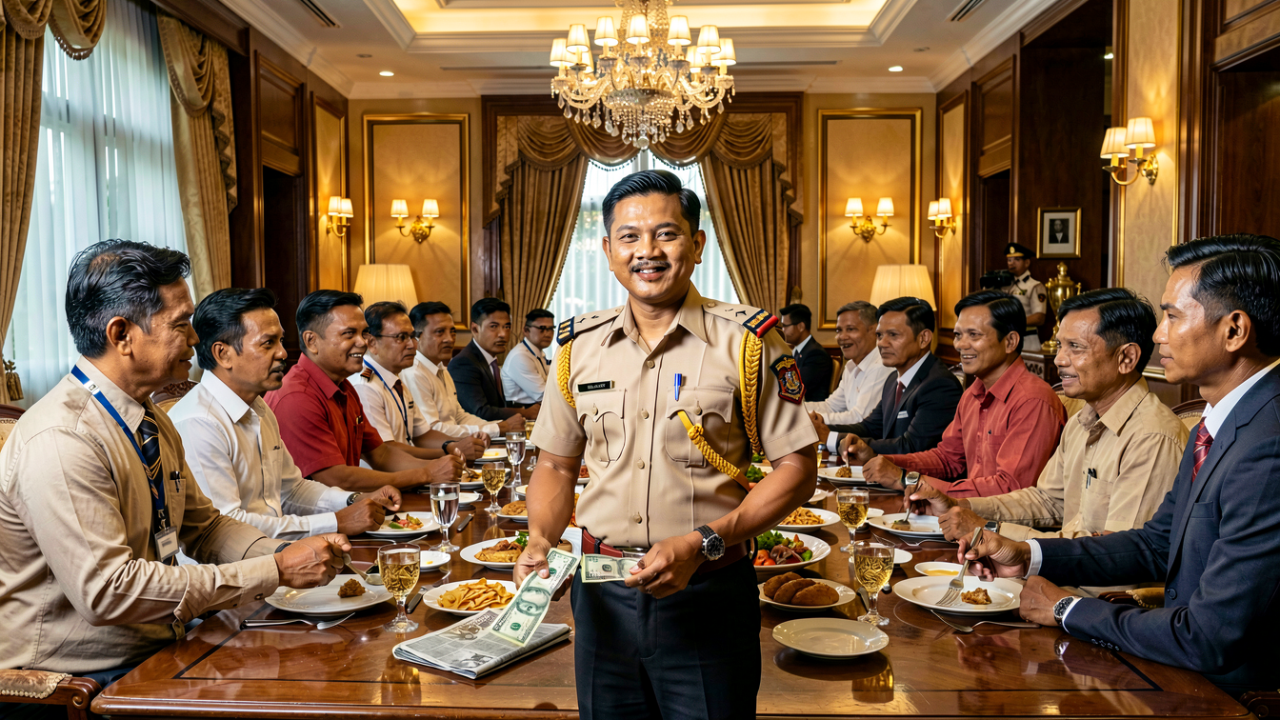
Himanshu Panchal, a resident of Ahmedabad in Gujarat, arranged a private celebration at a five-star hotel in Indore for a group of 16 guests. The evening proceeded as any upscale social event might: food, drink, music, and the trappings of a well-funded gathering. What made the occasion unusual was not the scale of the party but the identity of the man at its centre. Panchal had introduced himself to hotel management and staff as an officer of the Indian Administrative Service, a designation that, in Indian social and commercial culture, carries an almost automatic presumption of legitimacy and deference.
When the bill arrived, however, the performance ended. Rather than produce a card or arrange payment on the spot, Panchal invoked the authority he had fabricated. He told the hotel staff that his personal assistant would arrive within two hours to settle the account. He then walked out of the establishment without paying a rupee.
Arrest and the Paper Trail That Wasn’t There
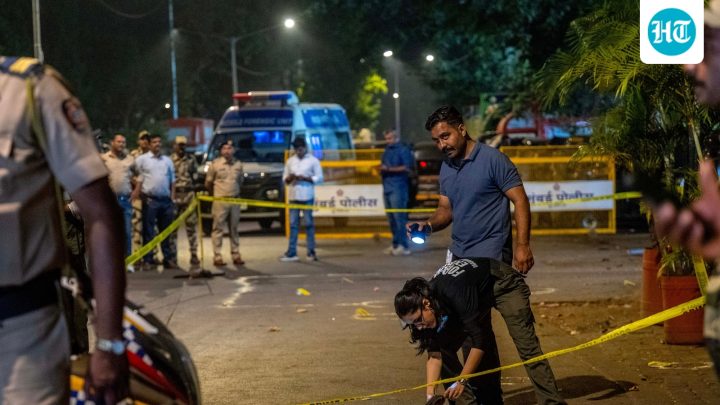
Assistant Commissioner of Police Parag Saini confirmed that officers moved quickly once the hotel lodged its complaint. Panchal was taken into custody on a Wednesday and formally booked under Section 204 of the Bharatiya Nyaya Sanhita, the statute that criminalises impersonation of a public servant. The section carries a penalty that reflects how seriously the state treats the erosion of trust in official titles.
Police then went to the residence Panchal had rented in the Lasudia police station area of Indore. Outside the gate, they found a metal nameplate bearing the inscription “IAS Raj Soni, District Collector.” The name on the plate did not even match Panchal’s own identity, suggesting either a careless reuse of props or a deliberate attempt to layer one fabricated persona over another. Inside the house, investigators searched for appointment letters, service records, or any documentary proof of civil-service status. Nothing was produced.
Saini added that a separate cheating case is already registered against Panchal in Gujarat, indicating that the Indore episode was not an isolated lapse of judgement but part of a pattern. Police said further investigation into the full scope of his activities in Madhya Pradesh is ongoing.
A Recurring Script: The Bihar Case and the NSA Connection
The Indore arrest did not arrive in a vacuum. In August of the same year, a different man in Bihar was arrested after allegedly posing as an IAS officer and claiming personal links with National Security Advisor Ajit Doval. During the search of that individual’s residence, police recovered a Tesla electric vehicle, a sport-utility vehicle, and more than 31 litres of imported liquor. Investigators described the accused as having been engaged in sustained fraudulent activities under the cover of a fabricated senior government identity.
Two cases within months, in two different states, following nearly identical templates — a self-styled bureaucrat, luxury goods, claims of high-level connections, and a complete absence of verifiable credentials — point to a broader phenomenon. In a country where the civil service occupies a near-sacred position in the public imagination, the title “IAS” functions as a shortcut past scrutiny. Hotel managers, landlords, business partners, and even local officials may hesitate to question a man who announces himself as a district collector or a section officer. The cost of that hesitation, as Indore has now demonstrated, can be borne by the institutions and individuals who extend credit on the strength of a name.
Why the Title Still Works
The Indian Administrative Service, created in the colonial era and retained in its modern form after independence, remains one of the most prestigious career paths in the country. Its officers command districts, manage budgets, and interface with the highest levels of government. That prestige is precisely what makes the title a useful prop for fraud. A person who announces himself as an IAS officer is, in the eyes of many, announcing a state-backed guarantee of identity. Verifying that claim in real time — calling the Department of Personnel, checking service rosters, requesting appointment letters — is rarely done at a hotel front desk or a rental-agent’s office.
Section 204 of the Bharatiya Nyaya Sanhita, which replaced the older Indian Penal Code provision on impersonation, was designed to close that gap by making the act itself a distinct offence, independent of whether any financial loss ultimately materialises. Its invocation in the Indore case signals that prosecutors intend to treat the performance of authority as a standalone wrong, not merely a preliminary step toward a larger fraud.
What Comes Next
For Panchal, the immediate question is whether the Gujarat cheating case and the Indore impersonation charge will be treated as linked episodes or prosecuted separately. For the hotel, the practical question is whether the bill will ever be recovered. And for the broader public, the episode is a reminder that in an era of social-media credentials and instant verification, the old trick of simply saying “I am an officer” is growing thinner — but not yet thin enough to stop working at a dinner table in Indore.
Related Reading
Frequently Asked Questions
What is Man poses as IAS officer in MP?
Man poses as IAS officer in MP is the main topic of this guide. The article explains the context, practical details, and next steps readers should understand.
Why does Man poses as IAS officer in MP matter?
Man poses as IAS officer in MP matters because readers are looking for a useful answer, not just a short summary. Good content should match search intent and help them decide what to do next.