
BJP’s One Person One Post: Reshuffle Impact
Indiadailyupdate.com – The BJP’s one person one post convention is back in the spotlight as speculation builds around an imminent Modi cabinet reshuffle. Though never written into party rulebooks, the norm dictates that a leader should occupy only one major role—whether a ministerial portfolio or a senior organisational post—at any given time. Ahead of the next round of portfolio changes, several senior figures find their newly assumed party positions effectively locking them out of the cabinet, raising urgent questions about who will enter the government and who will step aside to serve the party apparatus instead.
Who Is Affected by the Norm
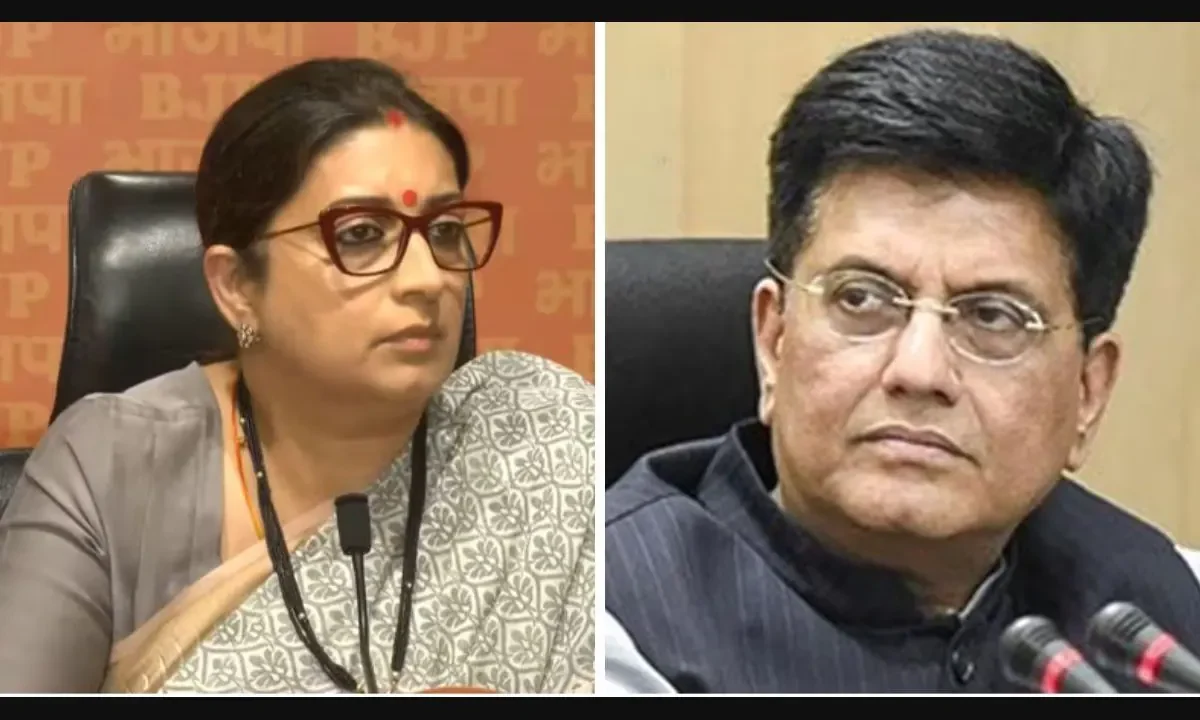
Union Minister Piyush Goyal was named BJP national treasurer on Monday. Under the prevailing one person one post understanding, that appointment signals his departure from the cabinet. No official statement, however, has confirmed whether he will actually vacate his ministerial portfolio or whether the party will treat his case as a strategic exception. Until a formal announcement is made, his continued presence in the government remains a matter of internal deliberation.
The same logic applies to Ram Madhav, who left the Modi cabinet and now serves as national vice president, and to Smriti Irani, who exited the government following her Lok Sabha election defeat and subsequently assumed the post of national general secretary. B.L. Santhosh, meanwhile, has retained his position as National General Secretary (Organisation). All three are considered unlikely candidates for ministerial induction in the forthcoming reshuffle, given the organisational responsibilities that now anchor their schedules.
Among the thirteen newly designated BJP national vice-presidents are former Rajasthan chief minister Vasundhara Raje Scindia, former Uttarakhand chief minister Tirath Singh Rawat, and former Union minister D. Purandeshwari. Former Tripura chief minister Biplab Kumar Deb was elevated to one of eight national general secretary positions. Each of these four leaders is likewise expected to remain outside the cabinet for the foreseeable future, dedicating their full attention to party-building tasks across their respective regions.
The Rule, Its Exceptions, and What Comes Next
The convention is not absolute. J.P. Nadda served as BJP president while simultaneously holding the Union portfolios of health and of chemicals and fertilisers, demonstrating that the party can carve out exceptions when strategic considerations demand it. Goyal himself had previously occupied the national treasurer post before vacating it to enter the first Modi government in May 2014, so the arrangement is not without precedent in his own career. The party’s leadership retains discretion to interpret the norm flexibly on a case-by-case basis.
“The one person one post principle functions as a guideline rather than a rigid statute; the party bends it when a particular leader’s dual role serves a broader political objective.”
With Amit Malviya stepping down as head of the IT department, speculation persists over whether he will be brought into the Modi cabinet as a first-time minister. No decision on that question has been announced, and party sources indicate that final portfolio allocations remain under internal deliberation. The coming weeks are expected to clarify which leaders will transition from party roles into government and vice versa.
Frequently Asked Questions
Does the BJP have a written rule against holding two posts simultaneously? No. The one person one post principle is an unwritten convention observed across successive party leaderships. It has never been codified in the party constitution or any formal by-law, which is precisely why exceptions have been made historically without triggering any procedural challenge.
Will Piyush Goyal definitely leave the cabinet? As of now, no official announcement has confirmed his departure. His appointment as national treasurer makes a cabinet exit the expected outcome under the norm, but the final decision rests with the prime minister and the party’s top leadership. Until a formal communication is issued, both scenarios remain open.
Can the norm be overridden by the party leadership? Yes. The J.P. Nadda precedent shows the party can permit a leader to hold both a ministerial portfolio and a party office simultaneously when it judges the arrangement politically advantageous. The discretion to make such an exception lies exclusively with the prime minister and the central election committee.
What typically happens to ministers who lose their Lok Sabha seats? They resign their portfolios in accordance with parliamentary convention. Smriti Irani’s exit after her election defeat followed this pattern, and her subsequent elevation to national general secretary further cemented her position outside the government for the duration of the current parliamentary term.