Bombay HC Convicts Former Tehelka Editor in 2013 Case
Landmark Verdict Brings Justice After Years of Legal Battle
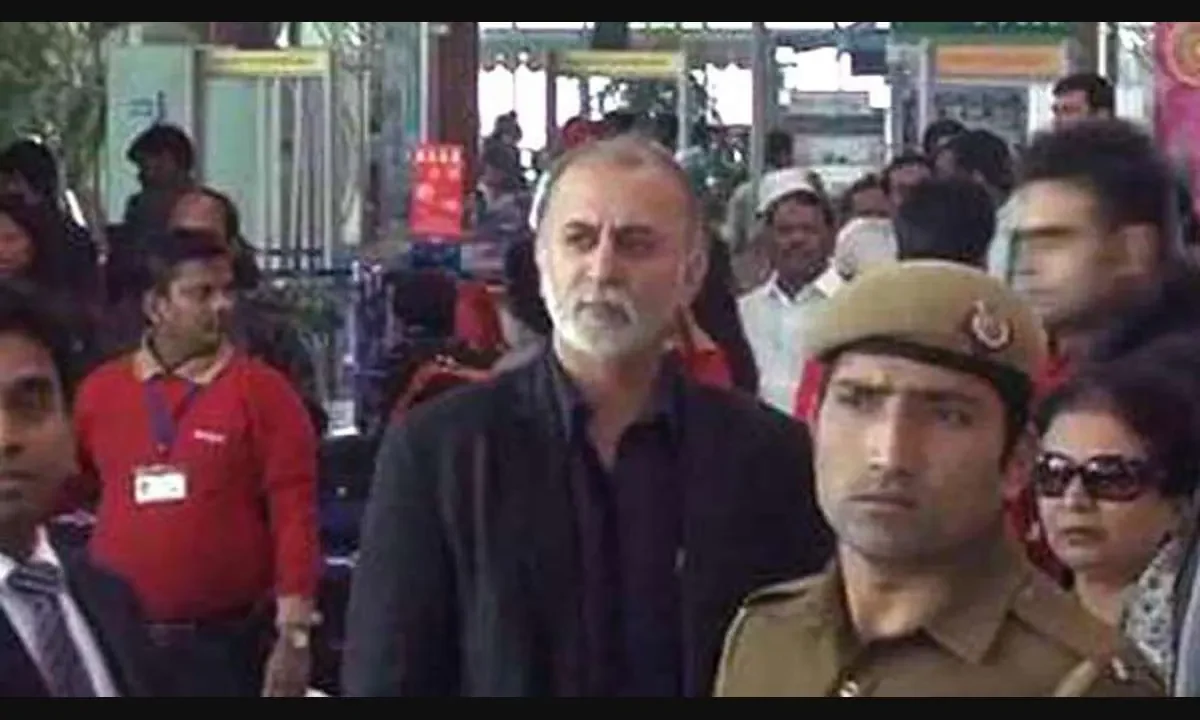
Indiadailyupdate.com – Bombay HC convicts former Tehelka editor Tarun Tejpal in a landmark decision that has resonated across India’s media landscape. The Bombay High Court’s Goa bench delivered a comprehensive verdict on Thursday, overturning the trial court’s acquittal and finding Tejpal guilty of sexual assault charges stemming from a 2013 incident. Justices Neela Gokhale and Amit Jamsandekar presided over the proceedings, ultimately convicting the former Tehelka magazine editor under multiple sections of the Indian Penal Code.
The conviction carries significant weight, with Tejpal found guilty under Section 376(2)(f) for rape committed by a person in a position of trust or authority. Additional convictions under Section 354A for sexual harassment and Section 354B for assault aimed at disrobing a woman complete the legal reckoning. The most serious charge carries a minimum sentence of ten years and can extend to life imprisonment, pending the final sentencing announcement scheduled for Thursday afternoon.
From Arrest to Acquittal: A Complex Legal Journey
The case timeline reveals a protracted legal odyssey spanning over a decade. Tejpal was arrested on November 30, 2013, following allegations from a woman journalist who claimed she was sexually assaulted in a hotel elevator during the Tehelka conference. The Goa sessions court framed charges in 2017, encompassing rape, sexual harassment, and wrongful confinement under various IPC provisions.
Tejpal sought relief from the Supreme Court, requesting that the charges be quashed entirely. The apex court declined to dismiss the proceedings and directed that the trial conclude within six months. Despite this directive, the trial court delivered an acquittal in 2021, citing insufficient evidence to prove the prosecution’s case beyond reasonable doubt. The Goa government immediately challenged this decision before the Bombay High Court.
The high court’s intervention demonstrated its willingness to thoroughly re-examine the evidence presented during the trial. After reviewing the case materials and hearing arguments from both sides, the appellate court concluded that the trial court had not adequately considered all relevant factors in reaching its acquittal verdict.
Tejpal’s Personal Appeal and Political Context
During the proceedings, Tejpal made a personal appeal to the judges, characterizing himself as a political victim. He emphasized his role as a father to two daughters in his request for leniency.
“I am a political victim,” Tejpal stated, adding that he was the father of two daughters.
The former editor-in-chief of Tehelka has maintained his innocence throughout the legal proceedings, arguing that the case against him was politically motivated. His conviction represents a substantial reversal from the trial court’s earlier decision, which had cleared him of all charges.
Implications for Media and Legal Landscape
This verdict carries broader implications for India’s media community and legal system. The case has become a symbol of accountability in journalism, demonstrating that even prominent figures are not immune to legal consequences. The Bombay High Court’s decision to overturn the acquittal signals a more rigorous approach to sexual assault cases involving positions of authority.
Legal experts note that the case highlights the importance of appellate review in ensuring justice is served. The high court’s thorough examination of evidence and willingness to reach a different conclusion than the trial court sets a precedent for similar cases across the country.
Frequently Asked Questions
What is the current status of Tarun Tejpal’s case?
Tarun Tejpal has been convicted by the Bombay High Court in the 2013 sexual assault case. Sentencing details are expected to be announced following the court’s deliberations.
What charges was Tejpal convicted of?
Tejpal was convicted under three sections of the Indian Penal Code: Section 376(2)(f) for rape by a person in authority, Section 354A for sexual harassment, and Section 354B for assault aimed at disrobing a woman.
How long has the legal proceedings lasted?
The case has been ongoing since November 2013, spanning over a decade through arrest, trial court proceedings, acquittal, and the current high court conviction.
What is the potential sentence for Tejpal?
The most serious charge under Section 376 carries a minimum penalty of ten years and can extend to life imprisonment, depending on the court’s final sentencing decision.