Grandson of India’s Most Iconic Rama Adapter Questions Ranbir Kapoor’s Casting in New Ramayana Film
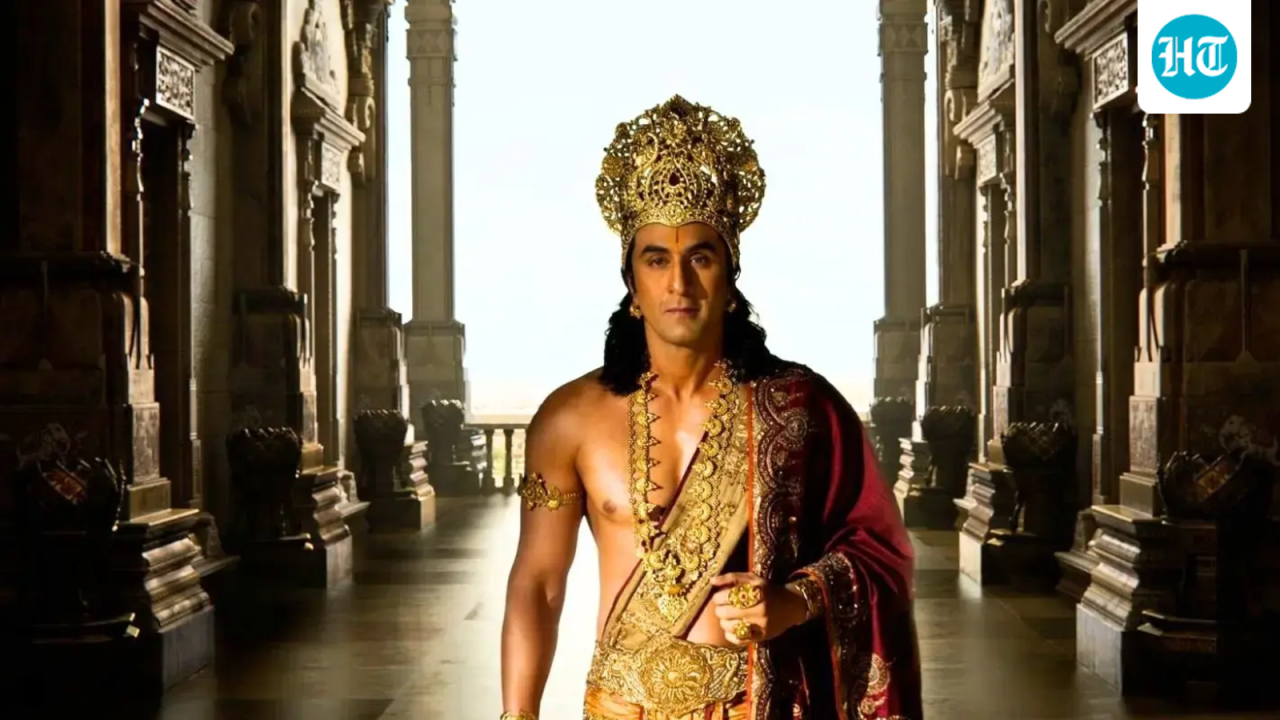
Indiadailyupdate.com – The decision to place Ranbir Kapoor at the center of Nitesh Tiwari’s forthcoming two-part Ramayana has ignited a debate that cuts well beyond ordinary fan speculation. At the heart of the controversy now sits a voice carrying particular cultural weight: Shiv Sagar, grandson of Ramanand Sagar, the director behind the 1987 Doordarshan serial Ramayan and its sequel Lav-Kush, productions that remain the definitive screen interpretation of Valmiki’s epic for generations of Indian viewers. In recent remarks carried by ANI, Shiv Sagar made clear that he cannot reconcile the actor’s recent screen persona with the divine figure he is expected to embody.
Why the Objection Carries Extra Weight
Ramanand Sagar’s Ramayan did not merely adapt a scripture; it became a shared cultural memory for hundreds of millions of households across South Asia. Arun Govil’s portrayal of Lord Rama in that series is so deeply embedded in the collective imagination that any subsequent cinematic attempt to re-cast the deity is measured against an almost unassailable benchmark. When a member of that legacy family voices reservations about a new interpretation, the comment lands differently than it would from any other commentator. Shiv Sagar, who works as a director-producer in television, has spoken publicly about the casting choices in Tiwari’s project, and his critique zeroes in on one specific factor: the actor’s recent association with a violent, physically aggressive character.
The “Baggage” Argument
Shiv Sagar’s central complaint is not a dismissal of Ranbir Kapoor’s talent. He explicitly acknowledges the actor’s range and skill. What troubles him is what he calls the residual imprint of Kapoor’s role in the 2024 film Animal, in which the actor portrayed a brutal, physically imposing figure. In the logic of Indian mythological storytelling, the audience’s first image of a god must be uncluttered by associations with earthly violence. A viewer who has just watched a character commit acts of savagery on screen is asked, within months, to see that same face as the embodiment of dharma, patience, and divine grace. For Shiv Sagar, that cognitive friction is unacceptable.
“Except for that one casting, I like the rest of the casting very much. Personally, I cannot accept Ranbir Kapoor as Ram because after Animal, I cannot accept him as Ram. When I look at Ram ji, I feel that a fresh face should have been taken.”
He elaborated further, suggesting the studio’s decision may have been driven less by artistic fit and more by commercial calculus. A marquee name of Kapoor’s stature guarantees massive pre-release attention, social-media momentum, and box-office pull that a lesser-known actor might not command. Shiv Sagar conceded the marketing logic while maintaining his own aesthetic preference.
“We have seen Ranbir in different roles; he is a very good actor. Personally, I don’t have anything against him. I think they must have taken him for the project because they want a marketing push, and maybe if they didn’t take Ranbir, the film wouldn’t have been marketed so well, so that’s also something to think about, but I personally believe that for such characters, it’s better to take a new face.”
Praise for the Supporting Ensemble
What Shiv Sagar did endorse was the remainder of the principal cast. Yash, the Kannada star known for his work in the KGF franchise, has been attached as Ravana, while Sai Pallavi, an actress from Telugu cinema, will portray Sita. Both, in his view, arrive at the roles without the kind of screen history that could contaminate the audience’s perception of those mythic figures.
“You can take a very strong supporting cast, like Yash is looking very good, Sai Pallavi is looking very good, they don’t have that much baggage. He has a lot of baggage. That’s why we usually take a new face in our serials, so they don’t have any baggage or history.”
The “fresh face” principle he describes is a long-standing convention in Indian television and cinema when depicting deities. Casting directors for mythological productions have historically favored actors whose prior work does not anchor the viewer’s mind to a specific earthly archetype. The rationale is that the divine should appear, to the audience, as something encountered for the first time — unmediated by pop-culture associations.
Audience as Final Arbiter
Despite his reservations, Shiv Sagar stopped short of declaring the casting a failure. He acknowledged that his personal discomfort is ultimately subordinate to how the viewing public receives the performance. In his framing, the audience holds sovereign authority over whether an interpretation succeeds or fails, and no critic or family member can override that verdict.
“The public is the king.”
He indicated that once the film reaches theatres, the collective response of millions of viewers will settle the question more definitively than any pre-release commentary.
Film Details and Release Timeline
Nitesh Tiwari, known for his work in Hindi and regional cinema, directs the project, with Namit Malhotra producing. The Ramayana is structured as a two-part theatrical release. Part One is scheduled for November of this year; the concluding installment is slated for the Diwali window in 2027. Beyond Kapoor, Sai Pallavi, and Yash, the principal cast includes Ravie Dubey and Sunny Deol. Notably, Arun Govil — the actor who played Lord Rama in Ramanand Sagar’s landmark 1987 series — appears in this new production as King Dashrath, Rama’s father, creating a layered intertextual connection between the two adaptations.
Broader Implications
The controversy underscores a recurring tension in Indian mythological filmmaking: the commercial imperative to attach bankable stars versus the cultural expectation that divine roles demand interpretive purity. Every major screen adaptation of the Ramayana since the 1987 series has navigated this tension in some form, and the current debate suggests the stakes remain as charged as ever. Whether the audience ultimately embraces or rejects Kapoor’s interpretation will be revealed only after the first installment reaches screens later this year, at which point the question Shiv Sagar raised will have moved from opinion to verdict.
Related Reading
Frequently Asked Questions
What is Can t accept Ranbir Kapoor as Lord?
Can t accept Ranbir Kapoor as Lord is the main topic of this guide. The article explains the context, practical details, and next steps readers should understand.
Why does Can t accept Ranbir Kapoor as Lord matter?
Can t accept Ranbir Kapoor as Lord matters because readers are looking for a useful answer, not just a short summary. Good content should match search intent and help them decide what to do next.