
UAE Extradites Drug Kingpin Virender Singh Basoya to India
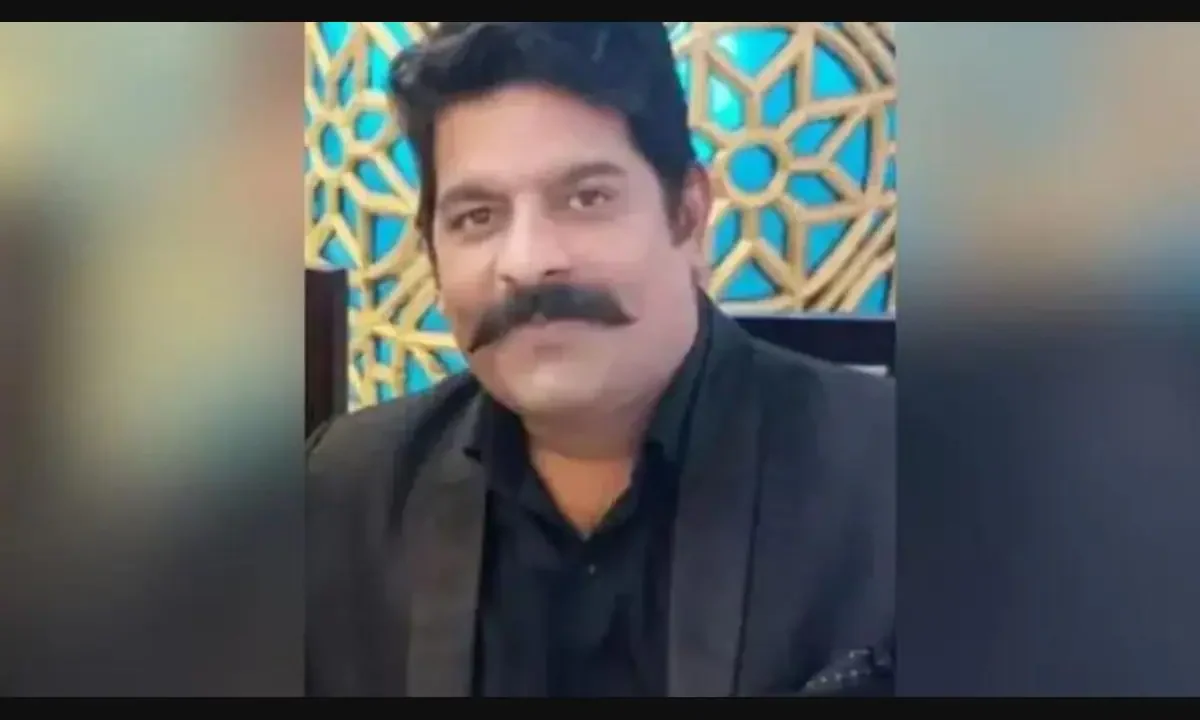
Indiadailyupdate.com – Union Home Minister Amit Shah announced on Friday that the Narcotics Control Bureau has successfully brought fugitive drug kingpin Virender Singh Basoya back from the United Arab Emirates. This development marks a significant milestone in India’s zero-tolerance policy toward narcotics trafficking, demonstrating the government’s commitment to eliminating drug networks that operate across international borders.
Posting on X, Shah highlighted the government’s persistent efforts: “Modi govt is relentlessly tracking down drug traffickers hiding abroad and destroying their entire ecosystem with a ruthless approach.” He further explained that through a comprehensive investigative strategy, Indian agencies have demonstrated that drug smugglers cannot evade justice regardless of their location. The successful extradition underscores the effectiveness of inter-agency coordination and international cooperation in combating organized crime.
Who Is Virender Singh Basoya?
Basoya faces allegations of orchestrating a major international drug syndicate that operated across multiple countries. His criminal network came under intense scrutiny in 2024 when Delhi police confiscated more than 500 kilograms of cocaine and apprehended five individuals, among them Tushar Goyal and Jitendra Pal Singh, who were closely associated with Basoya. The seizure represented one of the largest drug busts in recent years.
Goyal, identified as a principal accused, was recruited by Basoya and received Rs 3 crore for each delivery involving 100 consignments. Meanwhile, Singh managed the cartel’s activities across India. Prior to his recent flight, Basoya had already been detained in a separate case but was eventually released after securing bail. This pattern of temporary detention followed by freedom allowed him to continue his operations until authorities intensified their pursuit.
According to an NDTV report, Basoya’s son is wed to the daughter of a former MLA from Noida in Uttar Pradesh. The fugitive reportedly escaped to Dubai when law enforcement officers became aware of his attendance at this wedding ceremony. The timing of his departure suggests he may have received advance warning of impending action against him.
“By tracing the criminal through a top-to-bottom and bottom-to-top approach, our agencies have once again proven that no matter where drug traffickers hide, they cannot escape the long arm of Indian law,” Shah stated.
Adding urgency to the situation, Pune police had conducted raids across Delhi locations the day before the wedding, seizing narcotics valued at Rs 3000 crore, which included mephedrone among other substances. This coordinated action across multiple cities demonstrated the scale of the operation and the interconnected nature of the drug network that Basoya led.
The Extradition Process and Future Implications
The extradition of Basoya from the UAE represents a complex legal and diplomatic process that required extensive coordination between Indian and Emirati authorities. Legal experts note that such cases often involve multiple layers of documentation, verification of charges, and compliance with international treaties. The successful outcome sets a precedent for future extradition requests involving high-profile fugitives.
Industry analysts suggest that this case highlights the growing sophistication of Indian law enforcement agencies in tracking criminals who exploit gaps in international legal frameworks. The use of digital surveillance, financial trail analysis, and intelligence sharing has proven instrumental in locating and apprehending fugitives who attempt to hide in foreign jurisdictions.
As investigations continue, authorities are expected to examine the full extent of Basoya’s operations and identify additional associates who may have been involved in the syndicate. The case also raises questions about potential vulnerabilities in the extradition process that could be exploited by other high-profile criminals seeking to evade justice.
Frequently Asked Questions
When was Virender Singh Basoya extradited from the UAE? The extradition was announced by Union Home Minister Amit Shah on Friday, following successful negotiations between Indian and Emirati authorities.
What charges is Basoya facing in India? Basoya faces multiple charges related to his alleged role in orchestrating a major international drug syndicate, including involvement in large-scale cocaine trafficking operations.
How much cocaine was seized in connection with Basoya’s network? Delhi police confiscated more than 500 kilograms of cocaine in 2024 when apprehending several key associates of Basoya.
Why did Basoya flee to Dubai? Reports indicate that Basoya escaped to Dubai when law enforcement officers became aware of his attendance at his son’s wedding ceremony, suggesting he may have received advance warning of impending action.
What is the significance of this extradition for India’s drug policy? The successful extradition demonstrates India’s zero-tolerance approach toward narcotics trafficking and highlights the effectiveness of international cooperation in combating organized crime.