
Ancient Objects Reveal How Magic Once Shaped Everyday Life
Indiadailyupdate.com – Long before magic became associated with stage illusion, fantasy novels or theatrical spectacle, it was woven into the ordinary fears and hopes of daily life. An exhibition first shown at the Toledo Museum of Art in Ohio and later presented in New York examines that earlier world through objects made to guard the vulnerable, heal illness, attract affection and harm enemies.
Cursed! The Power of Magic in the Ancient World brings together 75 works that span roughly 4,500 years, from ancient Egypt to the Mediterranean cultures of Mesopotamia, Greece and Rome. Its central idea is simple but striking: for many ancient people, magic was not entertainment or deception. It was a practical force believed to affect health, childbirth, conflict, death and the unpredictable events that governed human existence.
“The idea of magic is likely as old as mankind itself,” says Jeffrey Spier, curator of Cursed! The Power of Magic in the Ancient World.
Over five years, Spier assembled artefacts connected to these beliefs, including loans from institutions such as the British Museum, the Louvre and the Metropolitan Museum of Art in New York. The objects range from bronze and stone sculptures to gold and silver amulets, written spells, ritual tablets and clay figures intended to direct supernatural power against a specific target.
Protection for Mothers, Children and Homes
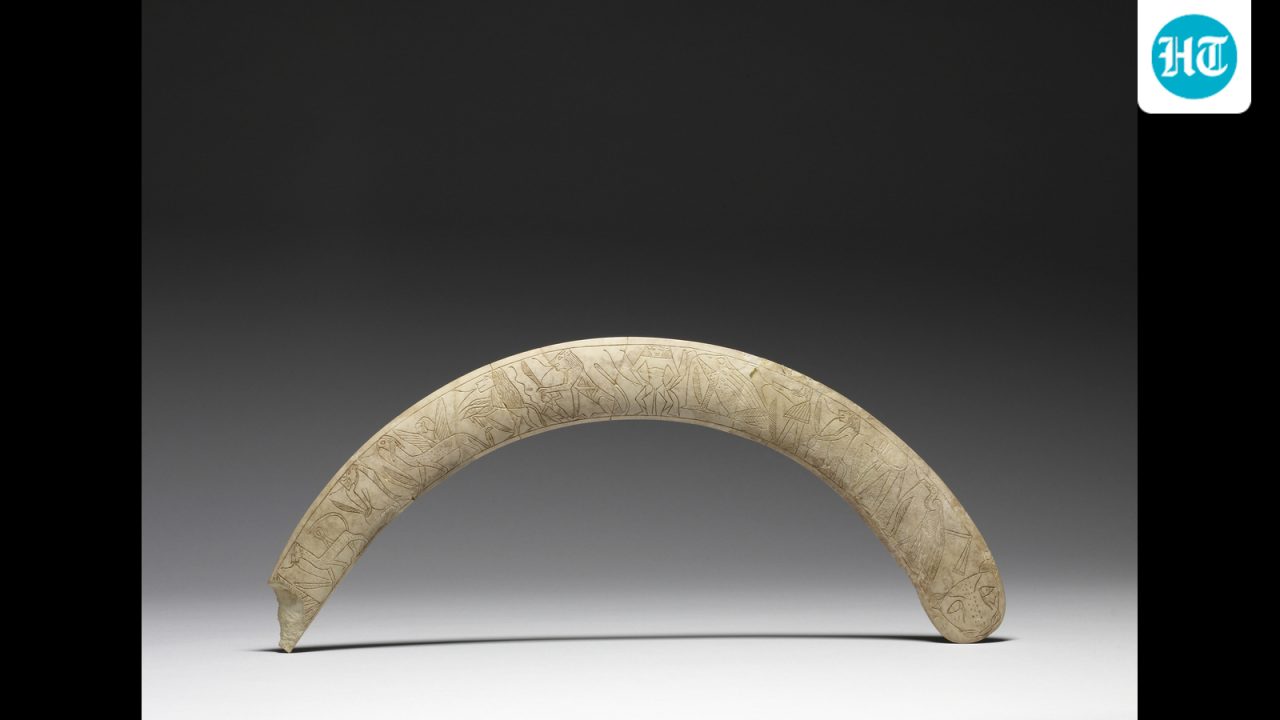
Several works reflect the intense concern surrounding pregnancy and infancy. In ancient Egypt, ivory wands were decorated with invocations and formidable divine figures to safeguard expectant mothers and newborn children. The carved processions included Taweret, the pregnant hippopotamus goddess associated with childbirth, alongside weapon-bearing gods and protective demons.
Inscriptions on these objects included phrases such as “Protection of day” and “Protection of night.” Rather than functioning as the pointed wand familiar from modern fiction, these pieces appear to have been protective implements, likely used or worn by mothers during a period understood to be especially dangerous.
Ancient Mesopotamian traditions also produced amulets designed to shield women and babies. One feared figure was a demon-goddess described as preying on pregnant women. Protective pendants often showed her with wings, a lion’s head and birdlike talons, while their texts called upon multiple deities to keep the dangerous “exalted lady” at a distance.
The exhibition also includes an image connected with Humbaba, the giant guardian from Mesopotamian mythology and the ancient Sumerian Epic of Gilgamesh. In the poem, Humbaba protects a sacred forest before being killed by Gilgamesh. Yet his fearsome face took on another role beyond the story: masks bearing his features were used as charms in houses or on the body to repel malevolent spirits.
Words, Water and Ritual Power
Many of the surviving objects demonstrate that written language was considered a powerful tool in itself. An eight-tablet Mesopotamian text contains almost 100 spells and refers to exorcists. It also sets out instructions for a ritual carried out during a single night in the month of Abu, corresponding to July and August. This was a period when spirits were believed to move between the human world and the netherworld, making them especially susceptible to ritual speech.
Egyptian healing tablets offer another example of the link between image, inscription and bodily wellbeing. Such tablets commonly depict the child-god Horus defeating beings associated with sickness or destructive forces. Protective formulas and cures cover their surfaces. A person seeking relief could pour water over the engraved text and image, then drink the water in the hope of receiving protection or healing.
These practices show that ancient distinctions between religion, medicine and magic were not necessarily as sharply separated as they often are today. The Egyptian deity Heka embodied this overlap. Depicted in pharaonic dress and carrying a staff entwined with two serpents, Heka represented a life force through which gods and humans could bring about change. Healing, creating life and attacking an enemy were all understood as possible expressions of that power.
The statue of Heka is significant partly because it points to the early systematisation of magical knowledge. The deity appears in religious and funerary texts as well as medical writings, suggesting that ritual power was recognised across several areas of ancient thought.
Love, Illness and the Desire to Control Fate
The objects also make clear that magical practices were not restricted to rulers or priests. Individuals sought out specialists for deeply personal concerns, including romance and revenge.
“The most surprising aspect, I suppose, is how widespread it was. Many individuals turned to magicians for love, or cursing,” Spier says.
Amulets in ancient Greece could be worn for protection, but they could also be used in attempts to secure another person’s affection. In the Roman world, semi-precious stones were carved with Graeco-Egyptian divine figures, including the lion-headed serpent Chnoubis, a being linked to curing ailments. Greek inscriptions naming deities and recording healing chants were added to these gems.
“The eclectic blending of Egyptian, Greek and Roman cultures is remarkable evidence of ancient globalisation,” says Spier.
That cultural exchange is one of the exhibition’s most revealing themes. Ritual objects travelled with people, languages and artistic traditions. A Roman-era gemstone might combine Egyptian imagery, Greek words and beliefs shared across a larger Mediterranean world. The result is evidence not of a single, fixed magical system, but of practices continually adapted to new places and communities.
The Darker Side of Ritual
Not every object was meant to protect or restore. A clay “curse figure” commissioned by a pharaoh was intended to place a hex on a foreign king. Elsewhere in the Greek world, thin sheets of soft lead were commonly used for curse tablets. Lead was valued because it was thought to have binding qualities. A person could inscribe a name or grievance with a stylus, fold the tablet and use it as part of an attempt to restrain, silence or undermine another individual.
Placed together, these artefacts offer a more human view of antiquity. They reveal people confronting illness, difficult births, grief, jealousy, enemies and uncertainty with the means they believed were available to them. The exhibition’s wands, tablets, amulets and figurines may seem remote in form, but the emotions behind them remain recognisable: the wish to protect loved ones, find relief, win affection and exert some influence over an unstable world.
Related Reading
Frequently Asked Questions
What is Hex marks the spot?
Hex marks the spot is the main topic of this guide. The article explains the context, practical details, and next steps readers should understand.
Why does Hex marks the spot matter?
Hex marks the spot matters because readers are looking for a useful answer, not just a short summary. Good content should match search intent and help them decide what to do next.