How does police in India approach policing during protests?
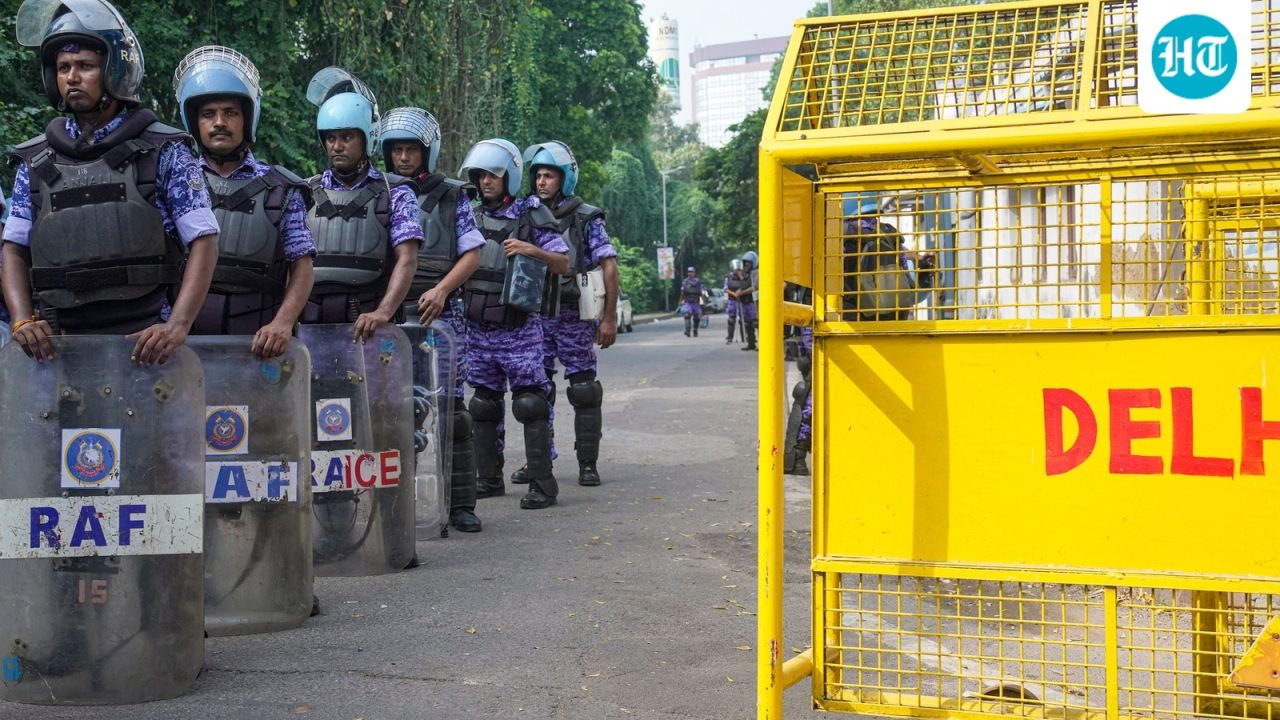
Indiadailyupdate.com – How does police in India approach policing when large demonstrations take place? Protests in Delhi in July and again earlier in the month triggered serious allegations against police and paramilitary personnel. The complaints included officers allegedly not wearing name tags, the use of facial-recognition technology for surveillance, disproportionate force in crowd control, and indiscriminate detentions. Opposition parties and protesters held the government responsible for many of these incidents, while the police said they were responding to large crowds in which some people were allegedly attempting to provoke violence.
These conflicting accounts point to a larger question about policing in India: how should authorities balance public order with citizens’ rights to assemble and protest? Effective policing during demonstrations requires preparation, clear communication, restraint, and accountability. It also requires officers to distinguish between peaceful participants and people who may be trying to cause harm or disorder.
Training, force and accountability in crowd control
Research on policing in India suggests that some of the concerns raised during protests may be linked to gaps in crowd-control training. Managing a large gathering is demanding work, particularly when emotions are high and the situation changes quickly. But a lack of preparation can increase the risk of avoidable confrontation, confusion and excessive use of force.
Studies have also examined attitudes within the police force towards the use of force. Such beliefs matter because they can influence decisions made in tense situations. When officers see force as justified too easily, the consequences can extend beyond a single protest: public trust may weaken, and communities may become less willing to cooperate with law-enforcement agencies.
Accountability is therefore central to answering how does police in India approach policing. Visible identification, including name tags, can help establish responsibility when allegations are made. Clear procedures for detention, transparent records and independent scrutiny can also help ensure that crowd-control measures are lawful and proportionate. At the same time, police personnel need adequate support, equipment and training to manage difficult situations without resorting to unnecessary force.
What surveys reveal about public perceptions
Useful evidence on these issues comes from baseline surveys conducted since 2018. Their findings have been published in the Status of Policing in India Reports, commonly known as SPIR. The surveys were conducted by Lokniti-Centre for the Study of Developing Societies and Common Cause, with philanthropic support from Tata Trusts and the Lal Family Foundation.
Such surveys are important because they move the debate beyond individual incidents. They can show how citizens view the police, what officers themselves believe about their work, and where institutional improvements may be needed. In a country with diverse communities and frequent public gatherings, understanding these perspectives is essential for building a policing system that is both effective and respectful of rights.
Why public trust matters in policing in India
Public confidence is not separate from law enforcement; it is one of its foundations. People are more likely to report crime, provide information and follow lawful instructions when they believe police action is fair. During protests, that trust depends on whether the response appears measured, transparent and consistent with the rules.
How does police in India approach policing can therefore not be answered only by looking at arrests or the dispersal of crowds. The answer also lies in the systems that guide officers before, during and after an operation: training in de-escalation, supervision on the ground, identifiable personnel, proper documentation and meaningful review of complaints.
Frequently asked questions
Why are name tags important during public protests?
Name tags can make it easier to identify personnel when complaints or allegations arise. They support accountability while also helping the public understand which agency is present at a protest site.
What is the concern around facial-recognition surveillance?
Concerns generally relate to privacy, oversight and the possibility of surveillance being used without sufficient safeguards. Any use of such technology in public spaces raises questions about transparency and how personal data is handled.
What can improve crowd control?
Better training, communication, de-escalation techniques, clear operational rules and proportionate responses can help police manage crowds more safely. These measures can protect both officers and members of the public.
Policing during protests is ultimately a test of whether public order can be maintained without undermining accountability, restraint and public trust.