Indian Citizen Among 12 Killed in Russian Strike
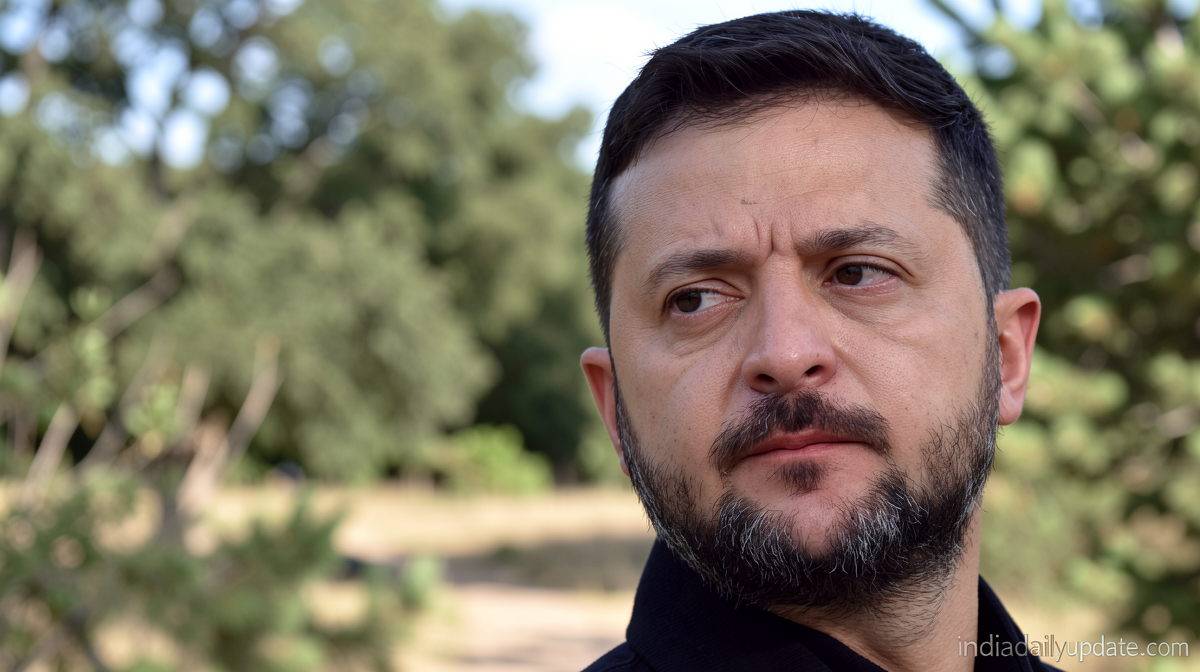
Indiadailyupdate.com – Ukrainian President Volodymyr Zelensky confirmed that an Indian citizen was among 12 killed when a coordinated barrage of ballistic missiles and jet-powered drones rained across multiple regions of Ukraine overnight. Dozens more were injured, and residential buildings, commercial facilities, and critical civilian infrastructure sustained heavy damage in what Zelensky described as one of the largest single-night salvos of the war.
“Overall, 12 people were killed, including an Indian citizen, and dozens more were wounded as a result of the attack,” Zelensky wrote on X.
The confirmation of the Indian fatality arrives at a moment of intense diplomatic activity between New Delhi and Moscow. Hours before Zelensky’s announcement, Prime Minister Narendra Modi had met Russian President Vladimir Putin on the sidelines of the 26th Shanghai Cooperation Organisation Summit in Bishkek, Kyrgyzstan. The two leaders spoke on Monday—before Modi and fellow SCO heads of state signed the summit declaration the following day—covering bilateral relations, the Ukraine war, and broader regional and global issues. Modi urged Putin to help end the conflict, framing the appeal as one made “for humanity’s sake,” and reaffirmed India’s support for diplomatic resolution.
Scale of Damage Across Ukrainian Regions
In Kyiv, a direct strike on a railway depot killed seven people. Zelensky reported that roughly 350 rescue personnel were deployed to the capital and surrounding areas for debris clearance, search-and-recovery work, and structural inspections.
Boryspil saw a five-storey apartment block suffer major structural damage, forcing the evacuation of fifty residents. Four residents died and thirteen were injured in that city, with nearby businesses also destroyed. Further south, glide bombs and drones pounded Odesa and its oblast, severing electricity to thousands of households. Emergency utility crews were sent to repair power lines, and a border checkpoint adjacent to Romania along with associated export-logistics infrastructure were also struck, spotlighting the fragility of Ukraine’s western trade corridors.
Zelensky additionally named Kherson, Donetsk, Zaporizhzhia, Kharkiv, Chernihiv, Zhytomyr, Sumy, and Dnipropetrovsk regions as areas hit within the same overnight window, underscoring the geographic breadth of Russian targeting in a single operational cycle.
Air-Defence Gaps and the Drone Escalation
The president attributed the severity of civilian losses directly to shortfalls in Ukraine’s air-defence architecture. He called on allied nations to accelerate deliveries of anti-ballistic-missile systems and to increase supply volumes in coming months, while thanking countries channeling support through the Presidential Urgent Requirements List (PURL) initiative and bilateral arrangements.
“Russia always calculates its strikes precisely this way, to destroy lives as much as possible, and it succeeds only when air defence resources are insufficient,” he said.
Zelensky placed the overnight barrage within a wider statistical frame: approximately 1,500 drones had been launched over the preceding four days, with more than half being jet-powered rather than the slower fixed-wing or rotary types that dominated earlier phases of the war. The shift toward jet-powered platforms increases speed, range, and payload capacity, compressing reaction times for ground-based interceptors.
The Tuesday strikes followed a particularly devastating episode on August 29, when a Russian attack on an ammunition depot near Kyiv killed 38 people and wounded 52, according to Ukrainian authorities. That incident marked the deadliest single Russian strike on Ukrainian soil this year and intensified pressure on Kyiv’s Western partners to close the air-defence gap more rapidly.
For India, the loss of a citizen in the barrage adds a personal dimension to New Delhi’s carefully calibrated diplomatic posture. India has maintained a non-aligned stance on the Ukraine conflict while deepening defence and energy cooperation with Moscow. The SCO summit in Bishkek offered a multilateral stage where Modi could voice a peace position without formally taking sides, yet the confirmation of an Indian death in a Russian strike will inevitably sharpen scrutiny of that balancing act at home.
Frequently Asked Questions
How many people were killed in the overnight Russian strike? Zelensky stated that 12 people were killed, including an Indian citizen, with dozens more wounded across multiple regions.
Which Ukrainian regions were hit? Kyiv, Boryspil, Odesa oblast, Kherson, Donetsk, Zaporizhzhia, Kharkiv, Chernihiv, Zhytomyr, Sumy, and Dnipropetrovsk regions were all struck during the same overnight window.
What type of weapons did Russia use? The barrage combined ballistic missiles with a substantial volume of jet-powered drones, alongside glide bombs in the Odesa sector.
How does this relate to India’s diplomatic position? India maintains a non-aligned stance on the Ukraine war while deepening defence and energy ties with Moscow. The Modi–Putin meeting at the SCO Summit in Bishkek took place hours before Zelensky’s announcement, and Modi pressed for a diplomatic end to the conflict.