Paul Stirling on the European T20 Premier League, ICC Format Shifts, and Ireland’s Cricket Moment
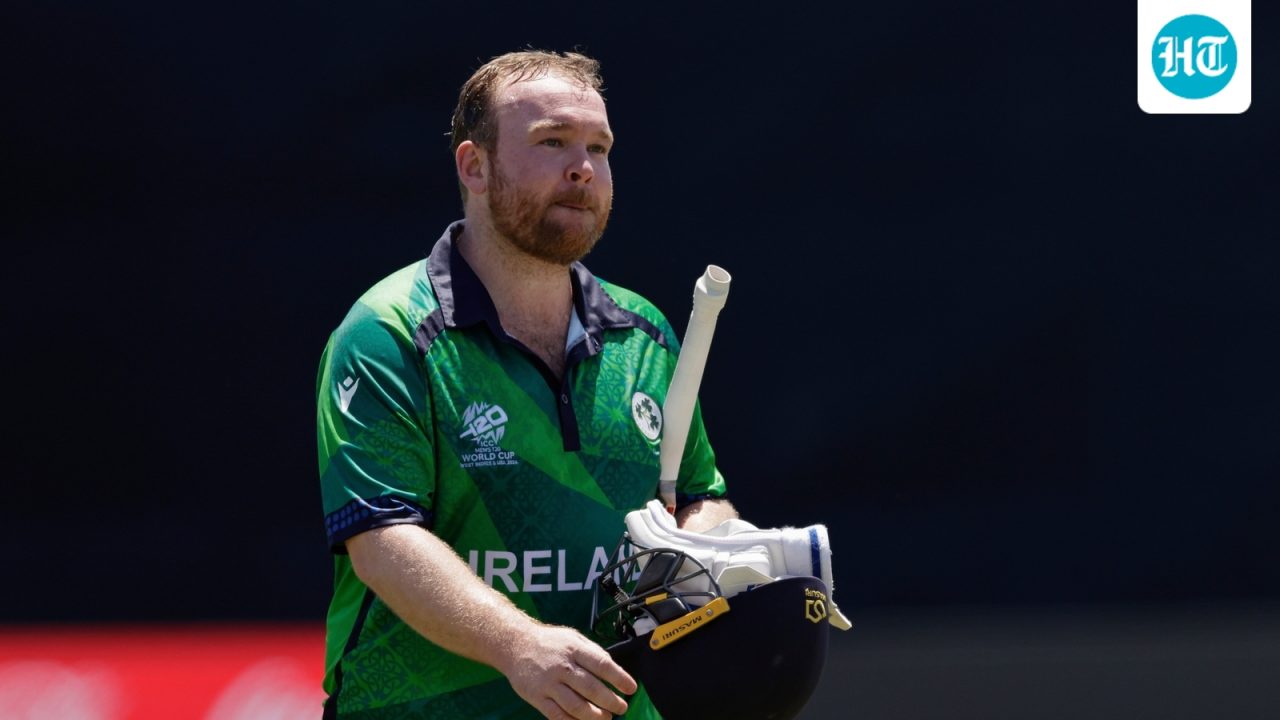
Indiadailyupdate.com – The inaugural season of the European T20 Premier League has thrust veteran Irish batter Paul Stirling into the spotlight once again, but this time the story is less about individual runs and more about what a new franchise model means for cricket across the continent. At 36, the right-handed opener remains one of the most accomplished players to come out of Ireland’s cricketing tradition, and his presence in the Belfast Wolves squad has given the tournament an immediate marquee name. Yet the broader narrative surrounding the ETPL — its ambitions, its ownership structure, and its potential to reshape European cricket — is what has drawn sustained attention from fans and administrators alike.
A League Built for Growth
The six-team competition features city-based franchises drawn from Dublin, Belfast, Edinburgh, Glasgow, Rotterdam, and Amsterdam. It carries the backing of Cricket Ireland, Cricket Scotland, and the Royal Dutch Cricket Association, and has received full sanction from the International Cricket Council. The ownership groups behind the franchises include a constellation of former and current international stars: Steve Waugh, Glenn Maxwell, Chris Gayle, Faf du Plessis, and Rahul Dravid all hold stakes in various teams. Bollywood actor Abhishek Bachchan also figures among the league’s founding personalities, lending the venture a cross-cultural profile that extends well beyond the cricketing world.
Stirling’s own club, the Belfast Wolves, lists Maxwell as one of its co-owners — a detail that adds a layer of on-field and off-field interaction unique to this competition. Unlike traditional domestic structures, the ETPL positions itself as a platform where experienced overseas players can mentor younger European cricketers in a high-pressure, high-production environment. Stirling has scored 108 runs across four matches so far, and his contributions have been a factor in the Wolves sitting second in the tournament standings.
On the Production and the Purpose
Speaking in a wide-ranging interview, Stirling offered an unguarded assessment of what the tournament has delivered thus far, particularly during the Netherlands leg, which ran for just over two weeks.
“It’s been brilliant so far. We’ve been very fortunate. We were in the Netherlands for just over two weeks. We had a brilliant reception from our own team, the Belfast Wolves. The management has been superb. It has exceeded my expectations in how smooth it’s been. I think the production has been really good at the ground. The whole setup is good, the ground, the commentators, the venue, everything, and hopefully Dublin can replicate that over the next two weeks. So I think it’s been fantastic. Long may it continue.”
On the question of whether a franchise league of this kind can accelerate cricket’s development in Europe, Stirling was candid about the continent’s relative lag behind other regions while expressing optimism about the long-term trajectory.
“If you want to grow the game internationally, then I think yeah. I think Europe’s probably been slower than most to get to this stage. But again, better late than never, and we’re here now. Hopefully, it’s here for the next five years and beyond, which will be incredible. Make the standard of cricket in Europe better, and hopefully that’ll be sooner rather than later. I think it will be the youngsters, in particular, learning from the experienced overseas players. That’s the real grasp from this tournament so far is that they’ll show those signs of improvement really quickly, way quicker than you’d just be able to do in domestic cricket against your own cricketers.”
The broader context matters here. European cricket has long operated in a fragmented, low-profile domestic structure, with limited broadcast exposure and modest commercial investment. A sanctioned, multi-city franchise league introduces production values, media attention, and cross-border fan engagement that were previously absent. Stirling’s point about young players accelerating their development through proximity to seasoned international talent reflects a model already validated in leagues across South Asia and the Caribbean.
The ICC Format Question
Stirling also weighed in on the ICC’s decision to alter the ODI World Cup format, a move that has generated considerable debate among players and administrators. For Stirling, the change represents yet another variable to navigate in an already complex competitive landscape.
“It’s another hurdle.”
The remark, delivered with characteristic understatement, captures a sentiment shared by many Test and ODI specialists: format shifts, however well-intentioned, introduce uncertainty into preparation cycles and can dilute the competitive integrity of the longer formats. For a player of Stirling’s generation, who has built his career across all three formats, the cumulative effect of repeated structural changes is a genuine concern.
India’s Global Pull and Ireland’s Defining Week
Stirling acknowledged the enormous worldwide following that India commands and its potential to drive viewership and attendance for any tournament India participates in.
“Huge support for India worldwide. So yeah, I’d say it definitely does and looking forward to seeing what Dublin has to offer in that respect. Anytime India comes and travels to Ireland, they get a really good reception here. Hopefully, if that’s the idea, that they can come and support guys like that. Ashwin coming in to bowl and bat, supporters turn up to the ground. Ultimately, that’s a great thing. Hopefully, it brings as many eyeballs to the tournament, both on TV and in person, as it can.”
That India-Ireland connection was tested earlier this year when the two sides met in a two-match T20I series. Ireland’s victory in that contest remains one of the most significant results in the country’s cricketing history, a moment Stirling described in terms that left little ambiguity about its emotional weight.
“One of, if not the best, victories or a series win that we’ve had. It was incredible to watch. We caught India off the hop a little bit straight off the flight, playing in Stormont. They’re not used to that environment.”
The Stormont venue, with its distinctive atmosphere and the proximity of a passionate home crowd, gave Ireland a tangible edge in that series. For a nation whose cricket programme has historically operated at the margins of the international calendar, beating a top-ranked side on home soil in a high-stakes bilateral fixture represented a watershed moment — one that the ETPL, with its elevated production standards and broadcast reach, now has the potential to build upon.
Looking Ahead
With the Dublin leg set to follow the Netherlands stint, the question for the next fortnight is whether the production quality, fan engagement, and competitive intensity that defined the first phase can be sustained and amplified. Stirling’s own form — 108 runs in four games — suggests the Belfast Wolves will remain a serious contender regardless of venue. For European cricket, the stakes extend far beyond a single tournament: the ETPL represents a structural experiment in whether franchise-style competition can take root on a continent where the sport has long struggled for commercial viability and mainstream visibility. The early evidence, by Stirling’s own account, points to a venture that has cleared its first hurdles with more polish and purpose than many expected.
Related Reading
Frequently Asked Questions
What is Ireland s Paul Stirling disappointed?
Ireland s Paul Stirling disappointed is the main topic of this guide. The article explains the context, practical details, and next steps readers should understand.
Why does Ireland s Paul Stirling disappointed matter?
Ireland s Paul Stirling disappointed matters because readers are looking for a useful answer, not just a short summary. Good content should match search intent and help them decide what to do next.