Jharkhand Protests Turn Violent as Students March to Assembly
Thousands Demand Exam Reforms and CBI Probe
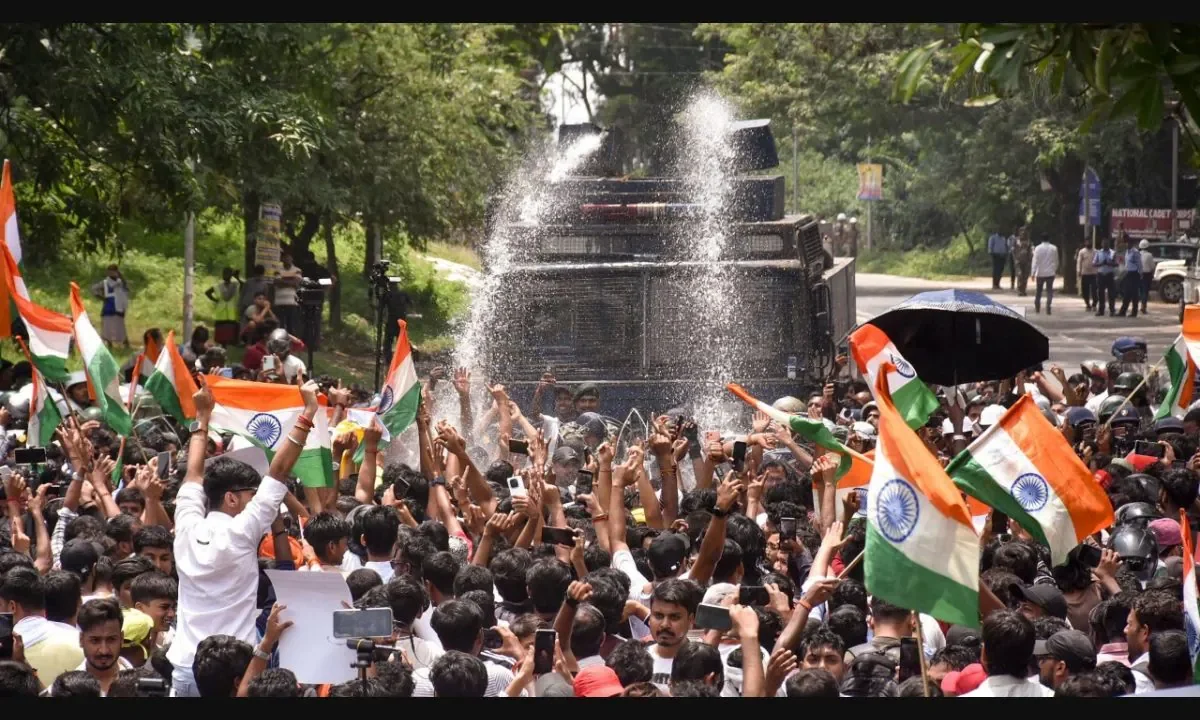
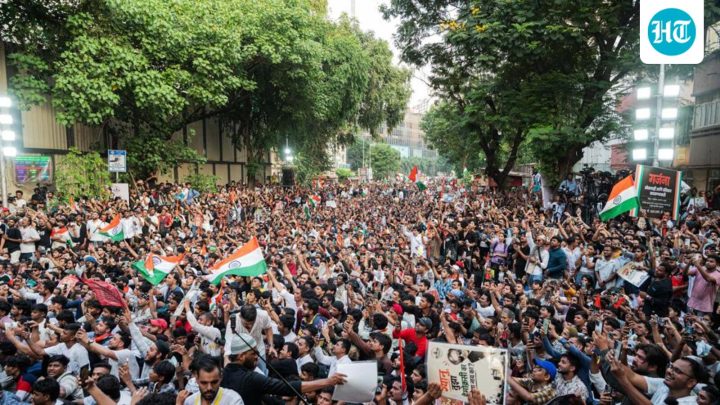
Indiadailyupdate.com – Jharkhand protests intensified on Monday as thousands of students and job aspirants took to the streets demanding comprehensive reforms in recruitment examinations. The demonstration, which marked its seventeenth consecutive day of activism, saw participants marching toward the state Assembly complex with placards and tricolours in hand. As the crowd advanced, law enforcement officials deployed water cannons, tear gas, and lathis to manage the situation. Protesters continued their march even as police attempted to disperse them near Jagannathpur Temple along the route to the new Assembly Complex.
The Assembly march followed unsuccessful negotiations between a student delegation and the Hemant Soren administration. Despite previous discussions, the government had not fulfilled all requested commitments regarding examination irregularities. The timing of the protest was particularly significant, coinciding with the Chief Minister’s fifty-first birthday. The procession commenced from outside the old assembly building at approximately 10:30 am, with participants chanting slogans and displaying banners with various demands.
Political Leaders Join the Demonstration
JLKM leader Devendra Nath Mahto, who has maintained a nine-day fast in solidarity with protesters, participated in the march while seated in an ambulance. Observers noted that Mahto carried a portrait of former chief minister Shibu Soren during the demonstration. He encouraged participants to maintain peaceful conduct throughout the protest, emphasizing the importance of unity in achieving their objectives.
Protesters displayed various messages on their placards highlighting their core demands. One prominent banner read, “Cancel JSSC-CGL Exams or Conduct a CBI Probe.” Another questioned, “Why is CID escaping from conducting a raid on JSSC?” A third banner stated, “Conduct an impartial investigation, bring out the truth.” These messages reflected the growing frustration among students and job seekers regarding perceived irregularities in the recruitment process.
Official Statements and Police Response
JLKM MLA Jairam Kumar Mahato called upon the Jharkhand Police to work cooperatively with students during the demonstration. He criticized the heavy-handed approach employed by authorities, noting that several protesters were injured during the confrontation. DSP Arvind Kumar Verma characterized the march as largely peaceful up to that point, noting that police forces were exercising restraint during the proceedings.
One protester told reporters that demonstrators had not initiated any confrontation and that police suddenly escalated their response. “We were simply marching peacefully when they started using force,” the student explained.
Officials reported that prohibitory orders had been imposed alongside substantial security deployment across the four-kilometer route. Senior officers maintained close surveillance throughout the area, ensuring that the demonstration remained within acceptable boundaries while allowing participants to voice their grievances effectively.
Former CM Criticizes Government Handling
Former Chief Minister Babulal Marandi, who remained detained outside the CM’s residence, criticized the state administration’s response to the protests. He accused the government of neglecting concrete measures to address student demands, describing the official handling of the situation as dictatorial in nature. Marandi’s presence at the demonstration added political weight to the protesters’ demands for immediate action.
Core Demands for Examination Reform
The demonstrators continue to push for comprehensive changes within the Jharkhand Public Service Commission and the Jharkhand Staff Selection Commission. Among their primary requests is the cancellation of multiple recruitment examinations, specifically the fourteenth Jharkhand PSC Civil Services Examination. They also want an independent investigation into reported irregularities, conducted either by the Central Bureau of Investigation or by a committee comprising retired high court judges from outside the state.
As Jharkhand protests enter their third week, the situation remains fluid with both sides awaiting further developments. The government has indicated willingness to engage in renewed negotiations, while protesters have vowed to continue their demonstration until all demands are met. The outcome of these protests could significantly impact future recruitment processes in the state.
Frequently Asked Questions
What are the main demands of protesters in Jharkhand?
The primary demands include cancellation of certain recruitment tests, particularly the fourteenth Jharkhand PSC Civil Services Examination, and an independent probe into alleged irregularities in the JSSC and JPSC examinations.
How long have the Jharkhand protests been ongoing?
The demonstration marked its seventeenth consecutive day of activism as of Monday, with participants maintaining continuous pressure on the state government through various forms of protest.
What measures did police take during the Assembly march?
Law enforcement deployed water cannons, tear gas, and lathis to control the situation. Prohibitory orders were imposed alongside substantial security deployment across the four-kilometer route to the Assembly complex.
Who are the key political figures involved in the protests?
JLKM leader Devendra Nath Mahto, who has maintained a nine-day fast, and MLA Jairam Kumar Mahato have been prominent in supporting the protesters. Former Chief Minister Babulal Marandi also criticized the government’s response from outside the CM’s residence.