
NIA Arrests Main Conspirator in Kerala Malappuram Explosives Case
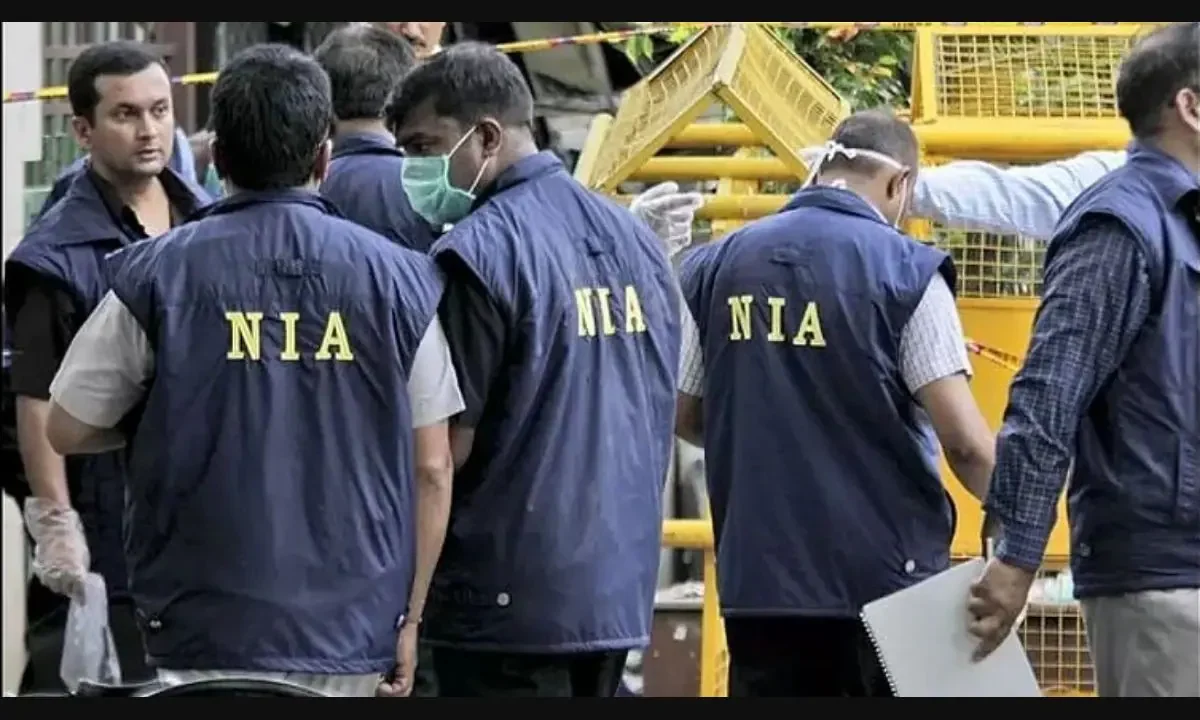
Indiadailyupdate.com – Kerala – The National Investigation Agency (NIA) has strengthened its investigation into the major explosives seizure case in Kerala by arresting Haris TA, identified as the main conspirator behind the illegal procurement of the explosive materials. This latest arrest brings the total number of detainees in the case to 10, marking a significant development in the probe that began in February 2026. The accused was apprehended in Manjeri, a town within Kerala’s Malappuram district, on Saturday, according to agency sources.
The explosive consignment, which became the focal point of this high-profile case, was seized on February 7, 2026, from a lorry parked at the Farha Hollow Bricks Company premises on the Chemmad-Thalappara Road in Malappuram. The lorry was carrying an impressive 89,600 explosive sticks along with 10,500 shock tubes. Kerala Police initially intercepted the vehicle and arrested three persons allegedly connected to the illegal consignment. The NIA subsequently re-registered the case and assumed control of the investigation, expanding its scope to cover the entire conspiracy network.
Investigation Timeline and Arrests
The arrest of Haris TA follows a series of coordinated operations by the NIA across multiple states. Just one day before this latest arrest, the agency had apprehended three individuals in Karnataka’s Vijayapura district. These arrests are part of a broader investigation that has seen the agency conduct searches at 19 different locations spanning three states. The investigations have yielded incriminating evidence and helped identify several additional persons allegedly involved in the elaborate conspiracy to smuggle and distribute the explosives.
The explosives were allegedly being transported and possessed without the necessary licenses and permissions required under Indian law. Initial legal proceedings were registered under Sections 4 and 5 of the Explosive Substances Act, which address possession of explosives with intent to endanger life or property, as well as possession under suspicious circumstances. The NIA’s takeover of the case has enabled a more comprehensive investigation into the origins and distribution channels of the illegal materials.
Subsequent investigative efforts revealed that the explosives originated from Bijapur in Karnataka. This connection between Kerala and Karnataka has been crucial in understanding the supply chain that brought these dangerous materials into the state. The Malappuram seizure was not an isolated incident; it occurred just days after a similar operation in Kerala’s neighboring Palakkad district, where police recovered more than 100 boxes of gelatin sticks and detonators from a lorry that was ostensibly transporting watermelons.
“The NIA’s swift action in this case demonstrates our commitment to ensuring national security and preventing the misuse of explosive materials,” said a senior agency official.
Implications for Kerala’s Security
The scale and sophistication of this explosives conspiracy have raised important questions about security protocols in Kerala. The fact that such a large quantity of explosive materials could be smuggled into the state without detection highlights potential vulnerabilities in the transportation and monitoring systems. The NIA’s ongoing investigation is expected to uncover more details about the network of individuals involved and their methods of operation.
Legal experts note that the charges under the Explosive Substances Act carry significant penalties, particularly when the materials are found to be intended for unlawful purposes. The NIA’s expanded jurisdiction allows it to pursue leads across state boundaries more effectively, which has been instrumental in tracking down suspects and recovering evidence.
Frequently Asked Questions
What is the NIA and why is it investigating this case? The National Investigation Agency is India’s central counter-terrorism and internal security agency. It took over this case because of the cross-state nature of the conspiracy and the potential threat posed by the illegal explosives.
How many people have been arrested so far? Ten individuals have been arrested in connection with the Malappuram explosives case, including the main conspirator Haris TA and three persons from Karnataka’s Vijayapura district.
Where did the explosives originate? The explosives were traced back to Bijapur in Karnataka, which has helped investigators understand the supply route into Kerala.
What legal sections apply to this case? The case is registered under Sections 4 and 5 of the Explosive Substances Act, which deal with possession of explosives with intent to endanger life or property and possession under suspicious circumstances.
Is this related to any other recent incidents in Kerala? Yes, the Malappuram seizure occurred days after a similar incident in Palakkad district where police recovered over 100 boxes of gelatin sticks and detonators from a watermelon lorry.