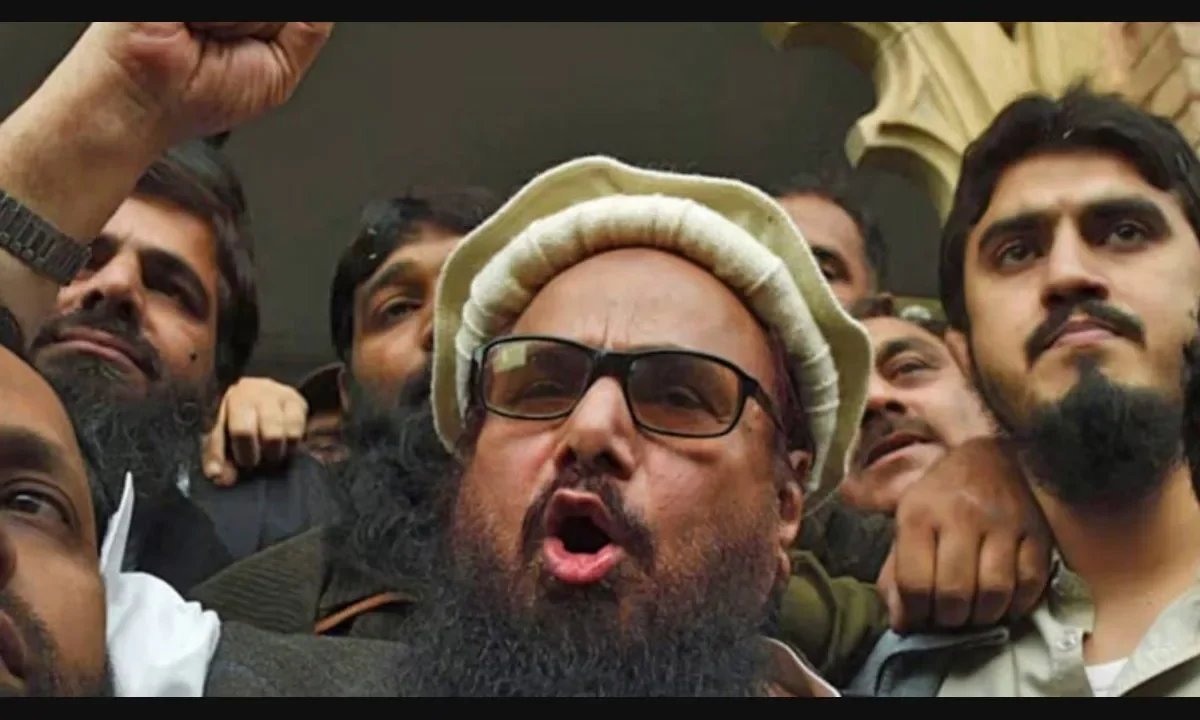

MEA says India will take all steps to fight terror
Indiadailyupdate.com – MEA says India will take whatever action is necessary to defeat terrorism, the Ministry of External Affairs affirmed on Tuesday as a landmark trial in absentia commenced against six Pakistani nationals accused of orchestrating the November 26, 2008 Mumbai attacks. The declaration, delivered by MEA spokesperson Randhir Jaiswal, underscored New Delhi’s determination to pursue every available legal and diplomatic avenue until justice is delivered for the 166 lives lost in that devastating series of bombings and shootings across the city.
Spokesperson’s Remarks on Global Counter-Terrorism
Jaiswal framed the statement within a broader appeal to the international community, urging world leaders to recognise the sustained toll that cross-border terror operations exact on India. He noted that over the past several years the country has invested considerable diplomatic energy in galvanising multilateral action against terrorism.
“India has been hit hard by terrorism. We have, over the last several years, taken a lot of effort to galvanise, to strengthen global action to fight terrorism, including cross-border terrorism,” Jaiswal told reporters.
“And our fight to deal with terrorism will continue further. Whatever action is required to be taken on that account to defeat terrorism, we will continue to take.”
The spokesperson’s language left no ambiguity about the government’s posture: MEA says India will take every measure the situation demands, whether judicial, diplomatic, or otherwise, until the architects of the 26/11 attacks face accountability before a court of law.
The Six Defendants and Their Alleged Roles
All six accused are Pakistani citizens currently protected by their country’s military and intelligence establishment. The most prominent among them is Hafiz Saeed, founder of the Lashkar-e-Taiba (LeT) network, alongside LeT co-founder Zakiur Rehman Lakhvi. Also in the dock is Sajid Mir, whose purported death Pakistan had publicly announced before sustained international pressure compelled Islamabad to acknowledge he remained alive.
The remaining defendants include Abu Alqama, an LeT commander who oversaw the training regimen of the Mumbai attackers; Abu Qahafa, also known as Asim, identified as the LeT handler and principal conspirator behind the operation; and Major Abdur Rehman Pasha, who worked in close coordination with both LeT operatives and David Headley during the planning and execution phases of the assault.
First Application of the BNSS 2023 Trial-in-Absentia Clause
The proceedings represent the inaugural invocation of the trial-in-absentia mechanism codified under the Bharatiya Nyaya Sanhita (BNSS) 2023 in a terror case of this magnitude. By proceeding without the physical presence of the accused, Indian courts have established a procedural precedent that could shape future litigation involving defendants detained abroad and shielded by foreign governments from extradition. Legal analysts expect the ruling to be closely watched by jurisdictions grappling with similar cross-border accountability challenges.
Shahzad Bhatti Network and Islamabad’s Denials
In the same briefing, Jaiswal directed sharp criticism at Islamabad for dismissing any operational link between the Inter-Services Intelligence (ISI) and the Shahzad Bhatti Network, a terror cell that Indian security forces dismantled in a coordinated operation. The rebuke came a day after disclosures revealed that 253 individuals had been arrested across 14 Indian states on alleged connections to the network, with more than 80 first information reports registered to date. MEA says India will take a firm line against any attempt to obscure the institutional architecture behind cross-border terror operations, and the ministry signalled that further diplomatic engagement on the matter is likely in the coming weeks.
FAQ
What is the trial in absentia under BNSS 2023?
The Bharatiya Nyaya Sanhita 2023 introduced a provision allowing Indian courts to try accused persons who are physically outside the country and have not been produced before the court. The 26/11 Mumbai case is the first high-profile terror matter in which this clause has been activated, setting a precedent for future proceedings against accused held abroad.
Who are the six accused in the 26/11 Mumbai trial?
The defendants are Hafiz Saeed, Zakiur Rehman Lakhvi, Sajid Mir, Abu Alqama, Abu Qahafa (Asim), and Major Abdur Reh