
Monsoon Session 2026: 12 Bills Pass Despite Parliamentary Disruptions
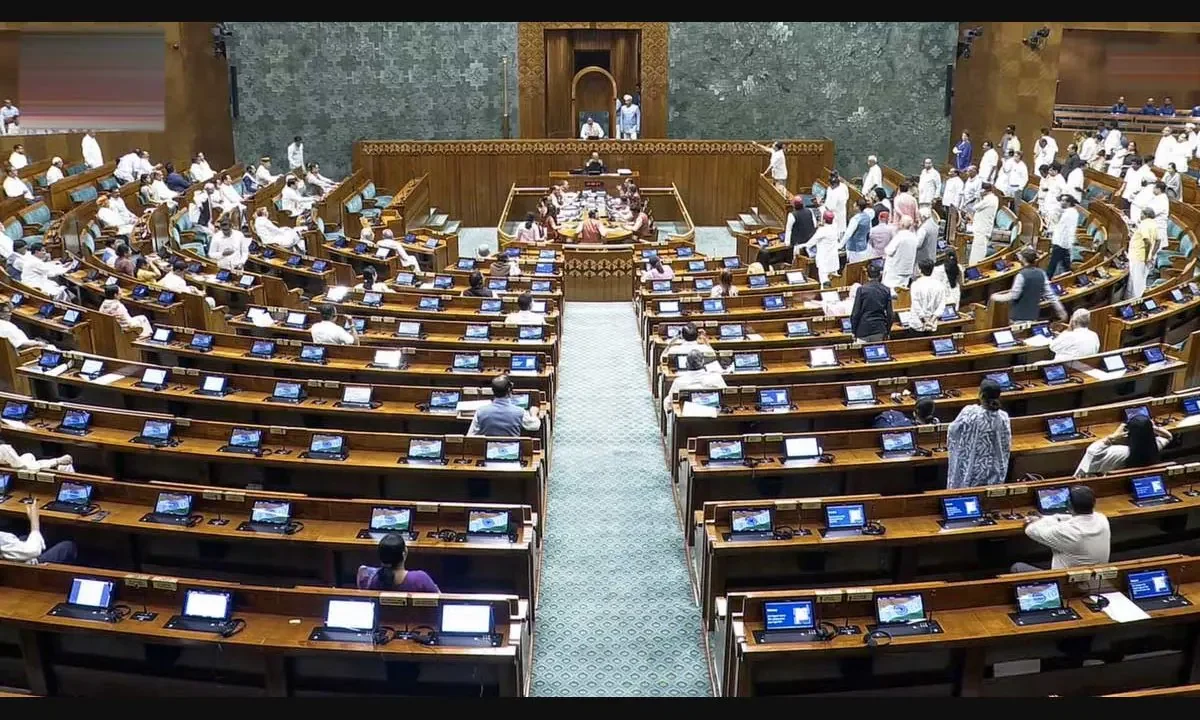
Indiadailyupdate.com – The Monsoon session 2026 concluded with twelve legislative proposals cleared, though the proceedings were marked by frequent interruptions rather than productive debate. While official records indicate progress, the atmosphere was characterized more by demonstrations and walkouts than by meaningful deliberation. Both ruling and opposition parties found themselves assessing the impact of events that unfolded largely beyond the parliamentary chamber.
Political Landscape and Shifting Priorities
Opposition members entered the Monsoon session 2026 facing challenges following the Bharatiya Janpati Party’s strong showing in recent state elections across West Bengal and Assam. By the session’s end, however, a common thread emerged among critics: widespread student frustration and how the government addressed it. The ruling party anticipated showcasing its strengthened position after gaining additional members through defections and electoral victories. That opportunity to demonstrate strength proved somewhat elusive.
Key Legislation Shelved
When the Monsoon session 2026 began on July 20, attention focused on two major proposals. The Delimitation Bill, 2026 would increase Lok Sabha seats from 543 to 850. Meanwhile, the Foreign Contribution (Regulation) Amendment Bill, 2026 sought to enhance oversight of international donations to non-governmental organizations. Neither measure achieved passage. The FCRA proposal was referred to a Joint Parliamentary Committee, while delimitation legislation remained stalled due to strong opposition resistance.
Student Movement and Ministerial Changes
Three related issues dominated coverage: NEET-UG examination irregularities, Jantar Mantar demonstrations, and the Ram Temple theft incident. Student activism escalated after the government’s initial response, ultimately leading to the resignation of former Education Minister Dharmendra Pradhan. Opposition members spent the first week demanding his removal. The administration initially resisted, but mounting pressure from both parliamentary chambers and street protests compelled Pradhan to step down on July 25.
His resignation letter emphasized several governmental actions, including a Central Bureau of Investigation inquiry, cancellation of the original examination, and arrangement of a re-test.
Legislative Response to Testing Concerns
Addressing wider questions about examination integrity, the Public Examinations (Prevention of Unfair Means) Amendment Bill, 2026 received approval from both legislative houses and presidential endorsement. This legislation empowers states and union territories to create specialized fast-track courts and appoint dedicated prosecutors. Investigations must conclude within two months, with trials following within three months. The law also introduces enhanced penalties and establishes a time-limited appeal mechanism.
Additional Legislative Progress
Beyond these headline developments, numerous measures advanced through the chamber. The Registration of Births and Deaths (Amendment) Bill introduced stricter requirements for late registrations. An MSME amendment created a national digital system for voluntary enrollment alongside financial access improvements and faster resolution of payment delays. The Bankers’ Books Evidence Bill modernized provisions to encompass electronic, digital, and cloud-based financial documentation. The Tribunals Reforms Bill established a National Tribunals Commission to standardize appointments and working conditions.
Additionally, the Kerala (Alteration of Name) Bill officially changed the state’s constitutional designation to Keralam. Complementary amendments addressed the National Co-operative Development Corporation and mining regulations. Two pre-session ordinances concerning Supreme Court judge appointments and income taxation were subsequently converted into formal legislation.
Session Evaluation and Criticism
Parliamentary Affairs Minister Kiren Rijiju reported that twelve bills received approval, though he expressed dissatisfaction with limited discussion. Eleven proposals cleared the Lok Sabha without meaningful debate, while only one underwent thorough examination. In the Rajya Sabha, a single bill received complete consideration despite the principal opposition party’s departure. Rijiju attributed the shortfall to opposition members who avoided opportunities for dialogue, claiming the government repeatedly extended invitations for discussion.
Congress MP Gaurav Gogoi remarked that he could not recall a period when the administration seemed more unsettled than during this session.
Frequently Asked Questions
How many bills were passed during the Monsoon session 2026? Twelve bills were passed during the Monsoon session 2026, though eleven cleared the Lok Sabha without meaningful debate.
Why were the Delimitation and FCRA bills shelved? The Delimitation Bill faced firm opposition resistance, while the FCRA Amendment Bill was referred to a Joint Parliamentary Committee for further review.
What major ministerial change occurred during the session? Former Education Minister Dharmendra Pradhan resigned on July 25 following student protests related to NEET-UG examination irregularities.
What new legislation addresses examination cheating? The Public Examinations (Prevention of Unfair Means) Amendment Bill, 2026 enables states to establish fast-track courts for examination-related cases with investigations concluding within two months.
Which state underwent a name change during the session? The Kerala (Alteration of Name) Bill officially changed the state’s constitutional designation to Keralam.